







PRODUCT TAG COLLECTION
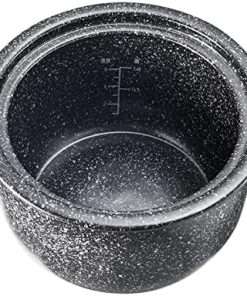
Ceramic Inner Pot
Exploring the Benefits of Using a Ceramic Inner Pot: A Guide for Home Cooks Are you ready to elevate your home cooking experience? If so, it's time to discover the incredible world of ceramic…
Compare productsReview useful featuresChoose with confidence

Rice Cooker Parts and Accessories
Instant Pot 3-Qt Ceramic Non-Stick Inner Cooking Pot for Rice, Slow Cooking, Black
Ceramic Inner Pot: Fit and Compatibility Basics
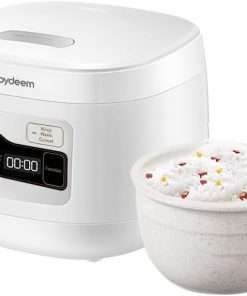
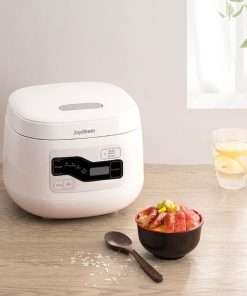
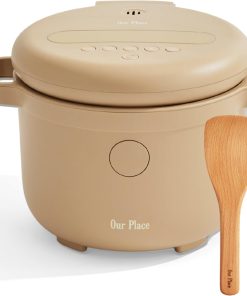
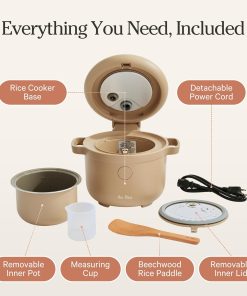
This collection currently includes 8 matching products. Compare capacity, cooking functions, controls, materials, cleaning requirements, price, and availability to narrow the options for your kitchen.
✓
CompatibilityMatch the cooker model and intended use
✓
Correct FitCheck dimensions, shape and connection points
✓
Material & CareReview construction and cleaning guidance
✓
Useful Add-onsCompare the available accessory options
Fit Details to Verify
- Compatibility: Confirm the accessory is intended for the exact cooker model whenever possible.
- Dimensions and fit: Check size, shape, connection points, and other fit details before ordering.
- Material and care: Review the construction material and cleaning or maintenance guidance.
- Intended purpose: Make sure the item solves the replacement, cooking, steaming, or serving need you have.
For broader buying help, use the Rice Cooker Parts & Accessories Guide. You can also browse the Rice Cooker Parts and Accessories category to compare related options.
Questions Before Buying Ceramic Inner Pot
How many products are currently in this collection?
This Product Tag currently contains 8 live products. Availability can change as the catalog is updated.
What should I compare before choosing?
Start with capacity or fit, then compare the functions, controls, materials, cleaning requirements, and specifications that matter for your intended use.
Where can I check complete product details?
Open the individual product listing for the full specifications, current price, availability, images, and model-specific information before buying.
Detailed Ceramic Inner Pot GuideRead detailed tag content
Exploring the Benefits of Using a Ceramic Inner Pot: A Guide for Home Cooks
Are you ready to elevate your home cooking experience? If so, it's time to discover the incredible world of ceramic inner pots. These versatile kitchen tools are stylish and packed with benefits that can transform how you prepare meals. From retaining heat efficiently to offering a non-toxic cooking surface, ceramic inner pots have become essential for many home cooks. Whether simmering soups or baking casseroles, there's something magical about food cooked in these elegant vessels. Let's dive into their science and why they deserve a place in your kitchen Ceramic Inner Pot!
The Science Behind Ceramic Cookware
Ceramic cookware is gaining popularity for good reason. Its unique properties stem from the materials used in its creation. Made from natural clay, ceramic pots are coated with a non-stick glaze that provides a smooth cooking surface.
When heated, ceramic distributes heat evenly, minimizing hot spots and reducing the risk of burning your food. This makes it ideal for slow-cooking dishes where consistent temperature is critical.
Additionally, ceramics are naturally non-reactive. Unlike metal pans that can leach chemicals or alter flavors, ceramic inner pots maintain the integrity of your ingredients.
The breathable nature of ceramics allows moisture to escape during cooking while still retaining essential flavors and nutrients in your meals. This balance results in healthier dishes without sacrificing taste or texture.
All these factors combine to create an efficient tool for novice and seasoned chefs alike.
Benefits of Using a Ceramic Inner Pot:
Using a ceramic inner pot brings a wealth of benefits to your cooking experience. First and foremost, it offers excellent heat distribution. This means your food cooks evenly, avoiding those pesky hot or cold spots.
Ceramic is non-reactive, which makes it perfect for preparing acidic dishes like tomato sauce or citrus-based recipes. You won't have to worry about metallic tastes leaching into your meals.
Another significant advantage is its natural non-stick surface. Foods release quickly without excessive oils or butter, promoting healthier cooking options.
Additionally, ceramic pots are visually appealing and can transition beautifully from the oven to the table. They not only serve as cookware but also as charming serving dishes that enhance your dining experience.
They're easy to clean and maintain—a simple soak usually does the trick! Say goodbye to stubborn residue with this practical choice in kitchenware.
How to Use and Care for Your Ceramic Inner Pot
Using a ceramic inner pot is straightforward, but a few tips can enhance your cooking experience. Before the first use, wash the pot with warm, soapy water and dry it thoroughly. This helps remove any residue from manufacturing.
When cooking, avoid sudden temperature changes. Placing a cold pot directly on a hot surface may cause cracking. Instead, preheat your cookware gently to prevent thermal shock.
Cleaning requires special attention. To avoid scratches or chips, let the pot cool down before washing it with soft sponges. Harsh abrasives should be avoided, as they can damage the ceramic surface.
For storage, keep your ceramic inner pot in a safe place that won't get knocked around by heavier items. Consider using cloth liners between stacked pots for added protection against chipping.
Regular maintenance ensures that your ceramic inner pot remains an essential tool in your kitchen for years.
Recipes Perfect for Cooking with a Ceramic Inner Pot
Cooking with a ceramic inner pot opens up a world of delicious possibilities. One fantastic recipe to try is creamy risotto. The even heat distribution ensures that every grain of arborio rice cooks ideally.
For something hearty, consider preparing a vegetable stew. The ceramic material retains moisture well, allowing flavors to meld beautifully over longer cooking.
Baking in your ceramic inner pot can yield delightful results, too! Try whipping up a moist chocolate cake or cinnamon-infused bread pudding.
Don't forget about soups—chicken noodles or minestrone come out piping hot and full of flavor when simmered in this versatile cookware.
You can whip together quinoa bowls topped with roasted veggies and tahini dressing for simple weekday meals. The options are endless when using a ceramic inner pot! Each dish celebrates the unique qualities of this exceptional cookware.
Alternatives to a Ceramic Inner Pot
While ceramic inner pots are a fantastic choice for many home cooks, several alternatives are worth considering. Each option has its own advantages and unique characteristics.
Stainless steel inner pots are durable and resistant to scratching. They distribute heat evenly, making them ideal for pressure or slow cooking. Plus, they're easy to clean and often dishwasher-safe.
Non-stick cookware is another popular alternative. It allows food to slide right out without sticking, which can be particularly helpful when preparing delicate dishes like omelets or pancakes. However, be mindful of using non-metal utensils to prevent scratching the surface.
Glass inner pots offer a great way to monitor your food as it cooks without lifting the lid. They're also non-reactive and won't leach chemicals into your meals. Remember that glass can break if subjected to extreme temperature changes.
Consider cast iron options if you seek excellent heat retention and seasoning benefits over time. Cast iron is perfect for braising meats or baking bread but does require more maintenance than other materials.
Each material has its strengths depending on what you cook most often. Choose wisely based on your cooking style and needs!
Helpful Accessory Guides
Rice Cooker Parts & Accessories Guide›Rice Cooker Inner Pot Compatibility Guide›Rice Cooker Maintenance & Troubleshooting›Matching Products
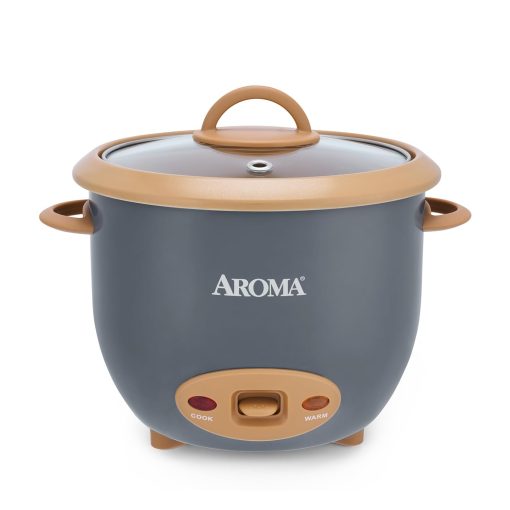
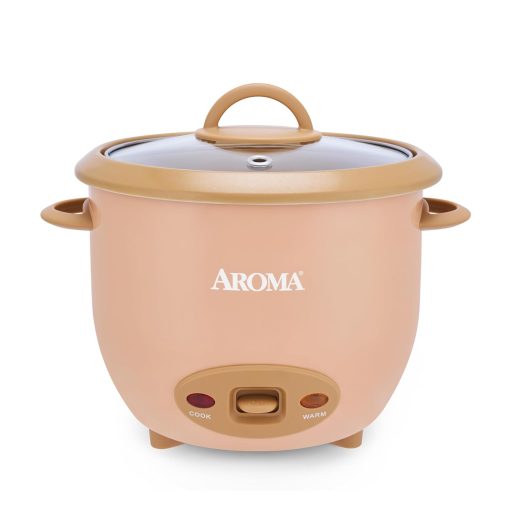
AROMA® 6-Cup (Cooked) One-Touch Pot Style Rice Cooker with CoreCoat™ PFAS-Free Nonstick Ceramic Surface (1.5 Quarts)
Instant Pot 3-Qt Ceramic Non-Stick Inner Cooking Pot for Rice, Slow Cooking, Black
Find the right Ceramic Inner Pot for your kitchen.Compare capacity, settings, fit, care requirements, and the live products shown above.
Browse Rice Cooker Parts and Accessories →Exploring the Benefits of Using a Ceramic Inner Pot: A Guide for Home Cooks
Are you ready to elevate your home cooking experience? If so, it’s time to discover the incredible world of ceramic inner pots. These versatile kitchen tools are stylish and packed with benefits that can transform how you prepare meals. From retaining heat efficiently to offering a non-toxic cooking surface, ceramic inner pots have become essential for many home cooks. Whether simmering soups or baking casseroles, there’s something magical about food cooked in these elegant vessels. Let’s dive into their science and why they deserve a place in your kitchen Ceramic Inner Pot!
The Science Behind Ceramic Cookware
Ceramic cookware is gaining popularity for good reason. Its unique properties stem from the materials used in its creation. Made from natural clay, ceramic pots are coated with a non-stick glaze that provides a smooth cooking surface.
When heated, ceramic distributes heat evenly, minimizing hot spots and reducing the risk of burning your food. This makes it ideal for slow-cooking dishes where consistent temperature is critical.
Additionally, ceramics are naturally non-reactive. Unlike metal pans that can leach chemicals or alter flavors, ceramic inner pots maintain the integrity of your ingredients.
The breathable nature of ceramics allows moisture to escape during cooking while still retaining essential flavors and nutrients in your meals. This balance results in healthier dishes without sacrificing taste or texture.
All these factors combine to create an efficient tool for novice and seasoned chefs alike.
Benefits of Using a Ceramic Inner Pot:
Using a ceramic inner pot brings a wealth of benefits to your cooking experience. First and foremost, it offers excellent heat distribution. This means your food cooks evenly, avoiding those pesky hot or cold spots.
Ceramic is non-reactive, which makes it perfect for preparing acidic dishes like tomato sauce or citrus-based recipes. You won’t have to worry about metallic tastes leaching into your meals.
Another significant advantage is its natural non-stick surface. Foods release quickly without excessive oils or butter, promoting healthier cooking options.
Additionally, ceramic pots are visually appealing and can transition beautifully from the oven to the table. They not only serve as cookware but also as charming serving dishes that enhance your dining experience.
They’re easy to clean and maintain—a simple soak usually does the trick! Say goodbye to stubborn residue with this practical choice in kitchenware.
How to Use and Care for Your Ceramic Inner Pot
Using a ceramic inner pot is straightforward, but a few tips can enhance your cooking experience. Before the first use, wash the pot with warm, soapy water and dry it thoroughly. This helps remove any residue from manufacturing.
When cooking, avoid sudden temperature changes. Placing a cold pot directly on a hot surface may cause cracking. Instead, preheat your cookware gently to prevent thermal shock.
Cleaning requires special attention. To avoid scratches or chips, let the pot cool down before washing it with soft sponges. Harsh abrasives should be avoided, as they can damage the ceramic surface.
For storage, keep your ceramic inner pot in a safe place that won’t get knocked around by heavier items. Consider using cloth liners between stacked pots for added protection against chipping.
Regular maintenance ensures that your ceramic inner pot remains an essential tool in your kitchen for years.
Recipes Perfect for Cooking with a Ceramic Inner Pot
Cooking with a ceramic inner pot opens up a world of delicious possibilities. One fantastic recipe to try is creamy risotto. The even heat distribution ensures that every grain of arborio rice cooks ideally.
For something hearty, consider preparing a vegetable stew. The ceramic material retains moisture well, allowing flavors to meld beautifully over longer cooking.
Baking in your ceramic inner pot can yield delightful results, too! Try whipping up a moist chocolate cake or cinnamon-infused bread pudding.
Don’t forget about soups—chicken noodles or minestrone come out piping hot and full of flavor when simmered in this versatile cookware.
You can whip together quinoa bowls topped with roasted veggies and tahini dressing for simple weekday meals. The options are endless when using a ceramic inner pot! Each dish celebrates the unique qualities of this exceptional cookware.
Alternatives to a Ceramic Inner Pot
While ceramic inner pots are a fantastic choice for many home cooks, several alternatives are worth considering. Each option has its own advantages and unique characteristics.
Stainless steel inner pots are durable and resistant to scratching. They distribute heat evenly, making them ideal for pressure or slow cooking. Plus, they’re easy to clean and often dishwasher-safe.
Non-stick cookware is another popular alternative. It allows food to slide right out without sticking, which can be particularly helpful when preparing delicate dishes like omelets or pancakes. However, be mindful of using non-metal utensils to prevent scratching the surface.
Glass inner pots offer a great way to monitor your food as it cooks without lifting the lid. They’re also non-reactive and won’t leach chemicals into your meals. Remember that glass can break if subjected to extreme temperature changes.
Consider cast iron options if you seek excellent heat retention and seasoning benefits over time. Cast iron is perfect for braising meats or baking bread but does require more maintenance than other materials.
Each material has its strengths depending on what you cook most often. Choose wisely based on your cooking style and needs!