




PRODUCT TAG COLLECTION
Cooker Inner Pot
The Essential Guide to Choosing the Perfect Cooker Inner Pot for Your Kitchen When it comes to cooking, the right tools make all the difference. The cooker's inner pot is one often overlooked yet…
Compare productsReview useful featuresChoose with confidence


Rice Cooker Parts and Accessories

Rice Cooker Parts and Accessories

Rice Cooker Parts and Accessories
Instant Pot 3-Qt Ceramic Non-Stick Inner Cooking Pot for Rice, Slow Cooking, Black

Rice Cooker Parts and Accessories

Rice Cooker Parts and Accessories
Instant Pot Ceramic Inner Slow Cooking Pot 6-Qt, Non-Stick Coated Interior, Rice Cooker

Rice Cooker Parts and Accessories
Rice Cooker Parts and Accessories

Rice Cooker Parts and Accessories
How to Choose Cooker Inner Pot That Fits
This collection currently includes 10 matching products. Compare capacity, cooking functions, controls, materials, cleaning requirements, price, and availability to narrow the options for your kitchen.

✓
CompatibilityMatch the cooker model and intended use
✓
Correct FitCheck dimensions, shape and connection points
✓
Material & CareReview construction and cleaning guidance
✓
Useful Add-onsCompare the available accessory options
What to Confirm Before Ordering
- Compatibility: Confirm the accessory is intended for the exact cooker model whenever possible.
- Dimensions and fit: Check size, shape, connection points, and other fit details before ordering.
- Material and care: Review the construction material and cleaning or maintenance guidance.
- Intended purpose: Make sure the item solves the replacement, cooking, steaming, or serving need you have.
For broader buying help, use the Rice Cooker Parts & Accessories Guide. You can also browse the Rice Cooker Parts and Accessories category to compare related options.
Common Questions About Cooker Inner Pot
How many products are currently in this collection?
This Product Tag currently contains 10 live products. Availability can change as the catalog is updated.
What should I compare before choosing?
Start with capacity or fit, then compare the functions, controls, materials, cleaning requirements, and specifications that matter for your intended use.
Where can I check complete product details?
Open the individual product listing for the full specifications, current price, availability, images, and model-specific information before buying.
Detailed Cooker Inner Pot GuideRead detailed tag content
The Essential Guide to Choosing the Perfect Cooker Inner Pot for Your Kitchen
When it comes to cooking, the right tools make all the difference. The cooker's inner pot is one often overlooked yet essential component of any multi-cooker. This unassuming piece can elevate your culinary creations or leave you with a kitchen disaster if chosen poorly. With so many options available, how do you find the perfect one for your needs? Whether you're a novice chef or an experienced home cook, understanding the various types of cooker inner pots and what they offer can transform your meal prep experience. Let's embark on this journey together and explore everything you need about selecting that ideal cooker inner pot for your kitchen!
Types of Cooker Inner Pots
Cooker inner pots come in several types, each designed to cater to specific cooking methods.
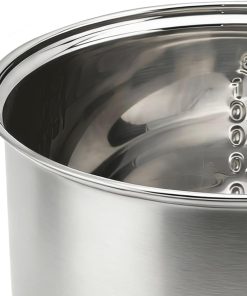
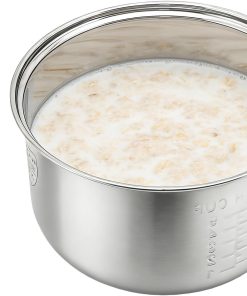
The standard stainless steel pot is a common choice. It offers durability and even heat distribution, making it ideal for everyday meals.
Next up is the non-stick pot. This option simplifies cooking and cleaning, perfect for those who hate scrubbing burnt food off surfaces.
For health-conscious cooks, ceramic inner pots are worth considering. They provide a natural, non-stick surface without harmful chemicals and retain heat well.
Silicone pots have also gained popularity recently. Flexible and lightweight, they're great for steaming vegetables or baking desserts in your cooker.
Look for specialty pots with unique features like pressure release valves or built-in steamers. Each type serves distinct culinary purposes, so it's crucial to select one that aligns with your cooking style!
Factors to Consider When Choosing a Cooker Inner Pot
Choosing the right cooker inner pot involves several key factors. First, consider the size that fits your cooking needs. A larger pot can accommodate family meals, while a smaller one is perfect for quick dishes.
Next, think about compatibility with your cooker model. Not all pots fit every brand or type of cooker. Ensuring a proper match will save you from future headaches.
Weight and durability are also crucial aspects to evaluate. Lighter pots may be easier to handle but could compromise longevity.
Ease of cleaning should also be considered. Non-stick coatings make for hassle-free cleanup but might require special care to maintain quality.
Take note of the heat distribution properties. An inner pot that heats evenly can significantly enhance your cooking experience.
Materials Used in Cooker Inner Pots
Cooker inner pots are made from various materials, each with unique advantages. Stainless steel is popular for its durability and resistance to rust. It can also withstand high temperatures without warping.
Non-stick coatings are another common choice. They make cooking and cleaning easier since food is released effortlessly from the surface. However, they may require more careful handling to avoid scratches.
Ceramic options provide a beautiful aesthetic while offering excellent heat retention. These pots can be an attractive addition to any kitchen but might not be as durable as their metal counterparts.
Then there's cast iron, known for excellent heat distribution. It's perfect for slow-cooked meals but requires extra care due to its weight and susceptibility to rust if not seasoned properly.
Each material serves distinct culinary needs, making it crucial to choose one that matches your cooking style and preferences.
Maintenance and Care for Cooker Inner Pots
Regular maintenance and care are essential to keeping your cooker's inner pot in shape. Start by cleaning your pot after each use. Use warm, soapy water and a soft sponge to avoid scratching the surface. If you have a non-stick pot, be gentle with utensils to prevent damaging the coating.
Occasionally check for signs of wear and tear. Look for scratches or dents that could affect performance. If any issues arise, consider replacing the pot rather than risking poor cooking results.
When storing your cooker's inner pot, stack it carefully with other cookware to avoid chipping or scratching. Some models come with protective lids, which can help maintain cleanliness and prevent dust accumulation.
Avoid placing hot pots directly under cold water, as this can lead to warping over time. Instead, let them cool down before washing.
Properly caring for your cooker's inner pot ensures longevity while enhancing your cooking experience. A well-maintained pot performs better and contributes positively to the flavors of every dish prepared within it.
Guides for Parts & Fit
Rice Cooker Parts & Accessories Guide›Rice Cooker Inner Pot Compatibility Guide›Rice Cooker Maintenance & Troubleshooting›Matching Products
COSORI 5-Quart Rice Cooker Inner Pot Non-Stick for 10 Cup Uncooked CRC-R501- KUS Rice Cooker Only, 6-Layer, CRP-R501IP-KUS
Healeved Rice Cooker 10 Cup Rice Cooker Inner Pot Rice Cooker Replace Liner Nonstick Cooking Pot Inner,4.5Qt Rice Cooker Inner
Find the right Cooker Inner Pot for your kitchen.Compare capacity, settings, fit, care requirements, and the live products shown above.
Browse Rice Cooker Parts and Accessories →The Essential Guide to Choosing the Perfect Cooker Inner Pot for Your Kitchen
When it comes to cooking, the right tools make all the difference. The cooker’s inner pot is one often overlooked yet essential component of any multi-cooker. This unassuming piece can elevate your culinary creations or leave you with a kitchen disaster if chosen poorly. With so many options available, how do you find the perfect one for your needs? Whether you’re a novice chef or an experienced home cook, understanding the various types of cooker inner pots and what they offer can transform your meal prep experience. Let’s embark on this journey together and explore everything you need about selecting that ideal cooker inner pot for your kitchen!
Types of Cooker Inner Pots
Cooker inner pots come in several types, each designed to cater to specific cooking methods.
The standard stainless steel pot is a common choice. It offers durability and even heat distribution, making it ideal for everyday meals.
Next up is the non-stick pot. This option simplifies cooking and cleaning, perfect for those who hate scrubbing burnt food off surfaces.
For health-conscious cooks, ceramic inner pots are worth considering. They provide a natural, non-stick surface without harmful chemicals and retain heat well.
Silicone pots have also gained popularity recently. Flexible and lightweight, they’re great for steaming vegetables or baking desserts in your cooker.
Look for specialty pots with unique features like pressure release valves or built-in steamers. Each type serves distinct culinary purposes, so it’s crucial to select one that aligns with your cooking style!
Factors to Consider When Choosing a Cooker Inner Pot
Choosing the right cooker inner pot involves several key factors. First, consider the size that fits your cooking needs. A larger pot can accommodate family meals, while a smaller one is perfect for quick dishes.
Next, think about compatibility with your cooker model. Not all pots fit every brand or type of cooker. Ensuring a proper match will save you from future headaches.
Weight and durability are also crucial aspects to evaluate. Lighter pots may be easier to handle but could compromise longevity.
Ease of cleaning should also be considered. Non-stick coatings make for hassle-free cleanup but might require special care to maintain quality.
Take note of the heat distribution properties. An inner pot that heats evenly can significantly enhance your cooking experience.
Materials Used in Cooker Inner Pots
Cooker inner pots are made from various materials, each with unique advantages. Stainless steel is popular for its durability and resistance to rust. It can also withstand high temperatures without warping.
Non-stick coatings are another common choice. They make cooking and cleaning easier since food is released effortlessly from the surface. However, they may require more careful handling to avoid scratches.
Ceramic options provide a beautiful aesthetic while offering excellent heat retention. These pots can be an attractive addition to any kitchen but might not be as durable as their metal counterparts.
Then there’s cast iron, known for excellent heat distribution. It’s perfect for slow-cooked meals but requires extra care due to its weight and susceptibility to rust if not seasoned properly.
Each material serves distinct culinary needs, making it crucial to choose one that matches your cooking style and preferences.
Maintenance and Care for Cooker Inner Pots
Regular maintenance and care are essential to keeping your cooker’s inner pot in shape. Start by cleaning your pot after each use. Use warm, soapy water and a soft sponge to avoid scratching the surface. If you have a non-stick pot, be gentle with utensils to prevent damaging the coating.
Occasionally check for signs of wear and tear. Look for scratches or dents that could affect performance. If any issues arise, consider replacing the pot rather than risking poor cooking results.
When storing your cooker’s inner pot, stack it carefully with other cookware to avoid chipping or scratching. Some models come with protective lids, which can help maintain cleanliness and prevent dust accumulation.
Avoid placing hot pots directly under cold water, as this can lead to warping over time. Instead, let them cool down before washing.
Properly caring for your cooker’s inner pot ensures longevity while enhancing your cooking experience. A well-maintained pot performs better and contributes positively to the flavors of every dish prepared within it.