




Unlocking Culinary Secrets: The Ultimate Guide to Japanese Cookers Japanese cuisine is a harmonious blend of simplicity and elegance, where every dish tells a story. The Japanese cooker is at the heart of this…
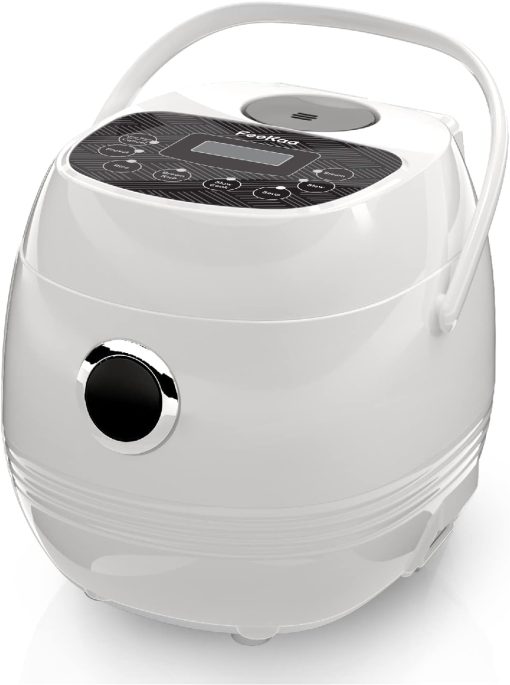
This collection currently includes 26 matching products. Compare capacity, cooking functions, controls, materials, cleaning requirements, price, and availability to narrow the options for your kitchen.
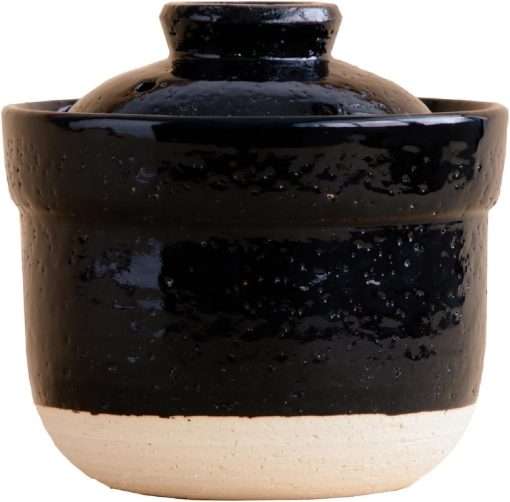
For broader buying help, use the Rice Cooker Buying Guide for Home Meals. You can also browse the Rice Cookers category to compare related options.
This Product Tag currently contains 26 live products. Availability can change as the catalog is updated.
Start with capacity or fit, then compare the functions, controls, materials, cleaning requirements, and specifications that matter for your intended use.
Open the individual product listing for the full specifications, current price, availability, images, and model-specific information before buying.
Japanese cuisine is a harmonious blend of simplicity and elegance, where every dish tells a story. The Japanese cooker is at the heart of this culinary art form—a versatile tool that transforms fresh ingredients into flavorful masterpieces. Whether you're an experienced chef or just starting your cooking journey, understanding how to utilize these cookers can elevate your kitchen game.
Japanese cookers offer unique features that enhance traditional flavors, from steaming rice to simmering rich broths. Ready to dive into the world of Japanese cooking? Explore everything you need about these remarkable appliances and unlock their culinary secrets!
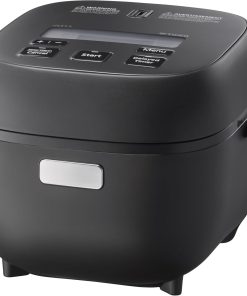
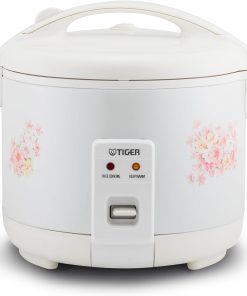
Japanese cookers come in various types, each designed for specific cooking methods. The rice cooker is the most popular, essential tool for preparing perfectly fluffy rice. With its precise temperature control, this appliance takes the guesswork out of cooking.
Next are donabe pots—traditional clay pots ideal for slow-cooking stews and soups. They retain heat beautifully and infuse dishes with unique flavors.
You'll also find electric hot pots, perfect for communal dining experiences like shabu-shabu or sukiyaki. These versatile cookers can prepare broth-based meals quickly and efficiently.
For those who enjoy grilling indoors, a Japanese grill known as koro allows you to achieve that smoky flavor without stepping outside. It opens up new possibilities for meat and vegetable dishes right in your kitchen.
Each type offers distinct advantages tailored to enhance your culinary experience while celebrating Japan's rich food culture.
Japanese cookers offer unparalleled versatility in the kitchen. Their design allows for various cooking methods, from steaming to simmering, which can elevate your culinary creations.
Using a Japanese cooker enhances flavor retention. The tight-fitting lids and precise temperature control help maintain moisture, resulting in dishes bursting with authentic taste.
Moreover, these cookers are energy efficient. They use less electricity than conventional appliances, making them eco-friendly choices for sustainable cooking practices.
The ease of use must be balanced. Many models feature one-touch settings that simplify complex recipes into manageable tasks.
They also promote healthy eating habits by encouraging fresh ingredients without excessive oils or fats. Thus, preparing nutritious meals that satisfy your cravings will be easier.
Japanese cookers often come with beautiful designs that add an aesthetic touch to any kitchen decor while being functional and stylish.
Traditional Japanese cooking emphasizes precision and respect for ingredients. Using a Japanese cooker elevates these techniques, creating an authentic culinary experience.
One popular method is "nabe," a communal hot pot dish perfect for gatherings. The cooker maintains a steady temperature, ensuring even heat distribution while bringing out the natural flavors of vegetables and proteins.
Another technique is "simmering" or "nimono." This method gently cooks ingredients in broth or sauce to enhance their taste. A Japanese cooker makes it easy to achieve the desired tenderness without overcooking.
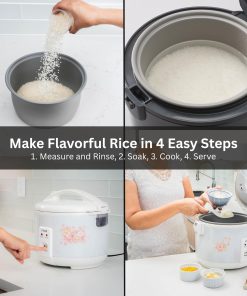
Rice preparation is also vital in Japanese cuisine. Utilizing a rice cooker ensures perfectly fluffy grains every time. The steaming feature enhances texture, making it suitable as a base for various dishes.
Experimenting with these traditional methods can transform your home-cooked meals into delightful experiences filled with rich culture and flavor.
Japanese cookers are versatile kitchen companions, perfect for various delightful dishes. One classic option is miso soup, which benefits from the even heat distribution of these cookers. Combine dashi broth with miso paste and add tofu or seaweed for a comforting meal.
You can effortlessly prepare fluffy sushi rice if you're hungry for rice. The precise temperature control ensures that each grain is perfectly cooked, which is ideal for rolls or nigiri.
Another favorite is donburi, a savory bowl dish featuring seasoned meat and vegetables over rice. Using your Japanese cooker simplifies the process while infusing rich flavors into every bite.
Are you craving something sweet? Try making dorayaki pancakes filled with red bean paste. The gentle cooking method provides the perfect golden color without burning the pancakes.
Exploring these options will surely inspire creativity in your culinary journey!
Choosing the right Japanese cooker can seem daunting, but it doesn't have to be. Start by considering your cooking style. Are you leaning towards rice dishes, stews, or steaming? This will guide your selection.
Next, consider capacity. A larger model may be necessary if you frequently cook for a family or entertain guests. Something compact is ideal for solo dining or small meals.
Features also matter. Some cookers have advanced settings and technology, like fuzzy logic, that automatically adjusts cooking times. Others are more straightforward and budget-friendly.
Remember materials! Stainless steel offers durability, while non-stick surfaces provide easy cleanup.
Read reviews from other users to gauge performance and reliability. Their experiences can offer valuable insights as you make your decision.
Using a Japanese cooker can transform your cooking experience. Start by familiarizing yourself with the settings and functions; each model may vary slightly.
Always rinse rice thoroughly before cooking to remove excess starch. This step helps achieve that perfect fluffy texture you desire in every grain.
When steaming vegetables, avoid overcrowding the basket. Give them space to breathe, ensuring even heat distribution for optimal flavor and crispness.
Experiment with timing! Different ingredients require varied cooking durations. Keep notes of what works best for your favorite dishes.
Don't hesitate to use umami-rich seasonings like soy sauce or miso paste in your meals. They enhance flavors remarkably well when simmered in a Japanese cooker.
Always let your dish rest after cooking it. This allows flavors to meld beautifully, creating an irresistible dining experience at home.
Proper maintenance and care for your Japanese cooker is essential to ensure it lasts for years while continuing to deliver delicious meals. Start by cleaning your cooker after each use. This means removing the inner pot and washing it with mild soap and a soft sponge for rice cookers. Avoid harsh detergents or abrasive materials that can damage the surface.
Allow donabe (earthenware pots) to cool before washing. Use warm water and a gentle scrubber, avoiding sudden temperature changes that could crack the pot. It's also wise to season clay pots periodically according to the manufacturer's guidelines.
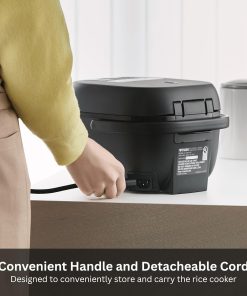
Regularly check the electrical components of electric cookers for wear or damage. If you notice anything unusual, such as frayed cords or strange sounds during operation, consider seeking professional repairs rather than risking further issues.
When not in use, store your Japanese cooker in a dry place away from moisture, which can lead to mold or rusting on metal parts. A well-cared-for Japanese cooker will enhance your cooking experience and add authenticity to your culinary creations.
Embrace these simple yet effective maintenance tips to enjoy many flavorful meals from your beloved Japanese cooker!
[section label="Simple Light" bg_color="rgb(245, 245, 245)" padding="60px" height="300px" border="1px 0px 0px 0px" border_color="rgb(235, 235, 235)"]
[row]
[col span="4" span__sm="12"]
[/col] [col span="4" span__sm="12"]
[/col] [col span="4" span__sm="12"]
[/col]
[/row]
[/section]


Japanese cuisine is a harmonious blend of simplicity and elegance, where every dish tells a story. The Japanese cooker is at the heart of this culinary art form—a versatile tool that transforms fresh ingredients into flavorful masterpieces. Whether you’re an experienced chef or just starting your cooking journey, understanding how to utilize these cookers can elevate your kitchen game.
Japanese cookers offer unique features that enhance traditional flavors, from steaming rice to simmering rich broths. Ready to dive into the world of Japanese cooking? Explore everything you need about these remarkable appliances and unlock their culinary secrets!
Japanese cookers come in various types, each designed for specific cooking methods. The rice cooker is the most popular, essential tool for preparing perfectly fluffy rice. With its precise temperature control, this appliance takes the guesswork out of cooking.
Next are donabe pots—traditional clay pots ideal for slow-cooking stews and soups. They retain heat beautifully and infuse dishes with unique flavors.
You’ll also find electric hot pots, perfect for communal dining experiences like shabu-shabu or sukiyaki. These versatile cookers can prepare broth-based meals quickly and efficiently.
For those who enjoy grilling indoors, a Japanese grill known as koro allows you to achieve that smoky flavor without stepping outside. It opens up new possibilities for meat and vegetable dishes right in your kitchen.
Each type offers distinct advantages tailored to enhance your culinary experience while celebrating Japan’s rich food culture.
Japanese cookers offer unparalleled versatility in the kitchen. Their design allows for various cooking methods, from steaming to simmering, which can elevate your culinary creations.
Using a Japanese cooker enhances flavor retention. The tight-fitting lids and precise temperature control help maintain moisture, resulting in dishes bursting with authentic taste.
Moreover, these cookers are energy efficient. They use less electricity than conventional appliances, making them eco-friendly choices for sustainable cooking practices.
The ease of use must be balanced. Many models feature one-touch settings that simplify complex recipes into manageable tasks.
They also promote healthy eating habits by encouraging fresh ingredients without excessive oils or fats. Thus, preparing nutritious meals that satisfy your cravings will be easier.
Japanese cookers often come with beautiful designs that add an aesthetic touch to any kitchen decor while being functional and stylish.
Traditional Japanese cooking emphasizes precision and respect for ingredients. Using a Japanese cooker elevates these techniques, creating an authentic culinary experience.
One popular method is “nabe,” a communal hot pot dish perfect for gatherings. The cooker maintains a steady temperature, ensuring even heat distribution while bringing out the natural flavors of vegetables and proteins.
Another technique is “simmering” or “nimono.” This method gently cooks ingredients in broth or sauce to enhance their taste. A Japanese cooker makes it easy to achieve the desired tenderness without overcooking.
Rice preparation is also vital in Japanese cuisine. Utilizing a rice cooker ensures perfectly fluffy grains every time. The steaming feature enhances texture, making it suitable as a base for various dishes.
Experimenting with these traditional methods can transform your home-cooked meals into delightful experiences filled with rich culture and flavor.
Japanese cookers are versatile kitchen companions, perfect for various delightful dishes. One classic option is miso soup, which benefits from the even heat distribution of these cookers. Combine dashi broth with miso paste and add tofu or seaweed for a comforting meal.
You can effortlessly prepare fluffy sushi rice if you’re hungry for rice. The precise temperature control ensures that each grain is perfectly cooked, which is ideal for rolls or nigiri.
Another favorite is donburi, a savory bowl dish featuring seasoned meat and vegetables over rice. Using your Japanese cooker simplifies the process while infusing rich flavors into every bite.
Are you craving something sweet? Try making dorayaki pancakes filled with red bean paste. The gentle cooking method provides the perfect golden color without burning the pancakes.
Exploring these options will surely inspire creativity in your culinary journey!
Choosing the right Japanese cooker can seem daunting, but it doesn’t have to be. Start by considering your cooking style. Are you leaning towards rice dishes, stews, or steaming? This will guide your selection.
Next, consider capacity. A larger model may be necessary if you frequently cook for a family or entertain guests. Something compact is ideal for solo dining or small meals.
Features also matter. Some cookers have advanced settings and technology, like fuzzy logic, that automatically adjusts cooking times. Others are more straightforward and budget-friendly.
Remember materials! Stainless steel offers durability, while non-stick surfaces provide easy cleanup.
Read reviews from other users to gauge performance and reliability. Their experiences can offer valuable insights as you make your decision.
Using a Japanese cooker can transform your cooking experience. Start by familiarizing yourself with the settings and functions; each model may vary slightly.
Always rinse rice thoroughly before cooking to remove excess starch. This step helps achieve that perfect fluffy texture you desire in every grain.
When steaming vegetables, avoid overcrowding the basket. Give them space to breathe, ensuring even heat distribution for optimal flavor and crispness.
Experiment with timing! Different ingredients require varied cooking durations. Keep notes of what works best for your favorite dishes.
Don’t hesitate to use umami-rich seasonings like soy sauce or miso paste in your meals. They enhance flavors remarkably well when simmered in a Japanese cooker.
Always let your dish rest after cooking it. This allows flavors to meld beautifully, creating an irresistible dining experience at home.
Proper maintenance and care for your Japanese cooker is essential to ensure it lasts for years while continuing to deliver delicious meals. Start by cleaning your cooker after each use. This means removing the inner pot and washing it with mild soap and a soft sponge for rice cookers. Avoid harsh detergents or abrasive materials that can damage the surface.
Allow donabe (earthenware pots) to cool before washing. Use warm water and a gentle scrubber, avoiding sudden temperature changes that could crack the pot. It’s also wise to season clay pots periodically according to the manufacturer’s guidelines.
Regularly check the electrical components of electric cookers for wear or damage. If you notice anything unusual, such as frayed cords or strange sounds during operation, consider seeking professional repairs rather than risking further issues.
When not in use, store your Japanese cooker in a dry place away from moisture, which can lead to mold or rusting on metal parts. A well-cared-for Japanese cooker will enhance your cooking experience and add authenticity to your culinary creations.
Embrace these simple yet effective maintenance tips to enjoy many flavorful meals from your beloved Japanese cooker!