



The Ultimate Guide to Japanese Rice Cookers: Your Key to Perfectly Fluffy Rice Every Time When you cook rice, it is sticky and clumpy, ruining your meals. Now it is time to discover the…

This collection currently includes 36 matching products. Compare capacity, cooking functions, controls, materials, cleaning requirements, price, and availability to narrow the options for your kitchen.

For broader buying help, use the Rice Cooker Buying Guide for Home Meals. You can also browse the Rice Cookers category to compare related options.
This Product Tag currently contains 36 live products. Availability can change as the catalog is updated.
Start with capacity or fit, then compare the functions, controls, materials, cleaning requirements, and specifications that matter for your intended use.
Open the individual product listing for the full specifications, current price, availability, images, and model-specific information before buying.
When you cook rice, it is sticky and clumpy, ruining your meals. Now it is time to discover the magic of a Japanese rice cooker. These amazing appliances have revolutionized the way rice is cooked, delivering perfectly fluffy grains. Whether you prepare sushi for a special occasion or simply want a comforting bowl of steamed rice to accompany your dinner, mastering this kitchen gadget will elevate your culinary skills.
Japanese rice cookers are more than just simple machines; they embody years of tradition and innovation in Japanese cuisine. With features designed specifically for different types of rice and cooking styles, these cookers ensure every bite is as delightful as the last. Are you ready to unlock the secrets behind this remarkable appliance? Let's dive into everything you need to know about Japanese rice cookers!
Japanese rice cookers operate on a simple yet effective principle. At their core, they harness precise temperature control and advanced sensors to deliver consistent results.
When you add rice and water, the cooker heats the contents from below. As steam builds up, it creates an ideal cooking environment for the grains. The sophisticated technology monitors both temperature and moisture levels throughout the process.
Once most of the water is absorbed or evaporated, the cooker automatically switches to a warming mode. This ensures your rice stays at an optimal serving temperature without overcooking or drying out.
Some models even offer different settings tailored for specific types of rice—like sushi or brown rice—allowing you to achieve perfect texture every time. With these machines, cooking becomes more about art than science; just set it and let it work its magic while you focus on other dishes!
Using a Japanese rice cooker transforms your kitchen experience. These appliances excel at cooking various types of rice, ensuring each grain is fluffy and perfectly cooked.
One standout feature is their precise temperature control. This technology prevents overcooking and allows for consistent results, making every meal delightful.
Japanese rice cookers also offer convenience. With one-touch settings, you can walk away while your cooker does the work. Many models even have timers, so you can wake up to freshly cooked rice or come home to a warm meal waiting for you.
Furthermore, they are versatile. In addition to white or brown rice, many cookers easily handle porridge, quinoa, and steaming vegetables.
Investing in a Japanese rice cooker often enhances the flavor of your meals. The meticulous design ensures that each dish tastes its best without extra effort.
Japanese rice cookers come in various types, each designed to meet specific cooking needs.
First, some basic models focus on simplicity and efficiency. They often have just one or two settings, perfect for those who want no-fuss cooking.
Next, high-end fuzzy logic rice cookers take precision to the next level. These devices use advanced technology to adjust temperature and cooking time based on moisture levels.
Pressure rice cookers speed up the cooking process while enhancing flavor and texture. The sealed environment ensures every grain absorbs maximum water.
Induction heating models offer even heat distribution for consistent results. This type is ideal for making restaurant-quality rice at home.
Multi-cookers can tackle more than just rice. With steaming, slow cooking, and sautéing options, they add versatility to your kitchen arsenal without taking up extra space.
Choosing the right Japanese rice cooker involves several key factors. First, consider your cooking capacity needs. If you often prepare meals for a large family or host guests, opt for a larger model.
Next, think about the technology and features that suit your lifestyle. Some cookers offer advanced settings for rice types, while others may have simple one-touch operations.
Another aspect to review is the inner pot's material. Non-stick coatings make cleanup easier but may wear over time. Stainless steel options are durable and tend to last longer.
Take into account energy efficiency, too. A model with good insulation can save on electricity costs without compromising performance.
Check reviews and brand reputation. Reliable manufacturers often provide better customer support and warranty coverage than lesser-known brands.
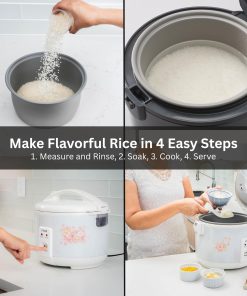
To cook perfect rice with a Japanese rice cooker, start by rinsing the rice. This removes excess starch and prevents it from becoming gummy. Aim for three to five washes until the water runs clear.
Next, pay attention to the water-to-rice ratio. Most Japanese rice cookers come with measuring cups and markers inside the pot. Following these guidelines will yield fluffy results.
Soak your rice before cooking if time allows. Even 30 minutes of soaking enhances texture significantly.
Use the correct settings on your cooker for different types of rice, such as white or brown. Each variety has specific needs that your machine can accommodate.
Don't lift the lid during cooking; this retains steam and ensures even heat distribution. Once done, let it rest for about 10 minutes before serving to enhance flavor and texture further.
Each step is crucial in creating that ideal bowl of perfectly cooked rice every time you use your Japanese rice cooker.
Taking care of your Japanese rice cooker ensures its longevity and performance. Regular maintenance can significantly improve its rice-cooking ability over the years.
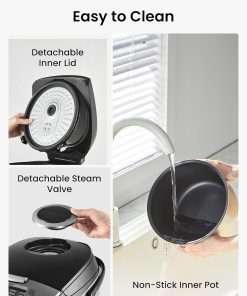
Start by cleaning the inner pot after each use. Most pots are non-stick, so avoid using abrasive sponges that could scratch the surface. Instead, use a soft cloth or sponge with mild detergent to keep it spotless.
Remember the steam vent! This component can collect residue over time, affecting cooking efficiency. Check it regularly and clean it gently to prevent blockages.
Another essential aspect is to store your rice cooker properly when not in use. Keep it in a dry place away from moisture and direct sunlight. This will help maintain the quality and functionality of all components.
If your model features removable filters or lids, give them special attention during cleaning sessions. Refer to the manufacturer's guidelines for specific care instructions tailored to your particular model.
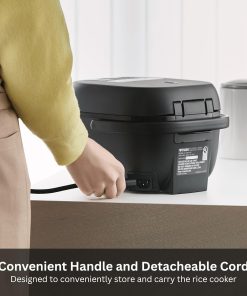
Always check power cords and connections before operating your unit again after long periods of disuse. A simple inspection can prevent potential hazards and extend your cooker's lifespan.
Investing time into maintaining your Japanese rice cooker ensures that you'll enjoy perfectly fluffy rice meal after meal for years to come.
[section label="Simple Light" bg_color="rgb(245, 245, 245)" padding="60px" height="300px" border="1px 0px 0px 0px" border_color="rgb(235, 235, 235)"]
[row]
[col span="4" span__sm="12"]
[/col] [col span="4" span__sm="12"]
[/col] [col span="4" span__sm="12"]
[/col]
[/row]
[/section]


When you cook rice, it is sticky and clumpy, ruining your meals. Now it is time to discover the magic of a Japanese rice cooker. These amazing appliances have revolutionized the way rice is cooked, delivering perfectly fluffy grains. Whether you prepare sushi for a special occasion or simply want a comforting bowl of steamed rice to accompany your dinner, mastering this kitchen gadget will elevate your culinary skills.
Japanese rice cookers are more than just simple machines; they embody years of tradition and innovation in Japanese cuisine. With features designed specifically for different types of rice and cooking styles, these cookers ensure every bite is as delightful as the last. Are you ready to unlock the secrets behind this remarkable appliance? Let’s dive into everything you need to know about Japanese rice cookers!
Japanese rice cookers operate on a simple yet effective principle. At their core, they harness precise temperature control and advanced sensors to deliver consistent results.
When you add rice and water, the cooker heats the contents from below. As steam builds up, it creates an ideal cooking environment for the grains. The sophisticated technology monitors both temperature and moisture levels throughout the process.
Once most of the water is absorbed or evaporated, the cooker automatically switches to a warming mode. This ensures your rice stays at an optimal serving temperature without overcooking or drying out.
Some models even offer different settings tailored for specific types of rice—like sushi or brown rice—allowing you to achieve perfect texture every time. With these machines, cooking becomes more about art than science; just set it and let it work its magic while you focus on other dishes!
Using a Japanese rice cooker transforms your kitchen experience. These appliances excel at cooking various types of rice, ensuring each grain is fluffy and perfectly cooked.
One standout feature is their precise temperature control. This technology prevents overcooking and allows for consistent results, making every meal delightful.
Japanese rice cookers also offer convenience. With one-touch settings, you can walk away while your cooker does the work. Many models even have timers, so you can wake up to freshly cooked rice or come home to a warm meal waiting for you.
Furthermore, they are versatile. In addition to white or brown rice, many cookers easily handle porridge, quinoa, and steaming vegetables.
Investing in a Japanese rice cooker often enhances the flavor of your meals. The meticulous design ensures that each dish tastes its best without extra effort.
Japanese rice cookers come in various types, each designed to meet specific cooking needs.
First, some basic models focus on simplicity and efficiency. They often have just one or two settings, perfect for those who want no-fuss cooking.
Next, high-end fuzzy logic rice cookers take precision to the next level. These devices use advanced technology to adjust temperature and cooking time based on moisture levels.
Pressure rice cookers speed up the cooking process while enhancing flavor and texture. The sealed environment ensures every grain absorbs maximum water.
Induction heating models offer even heat distribution for consistent results. This type is ideal for making restaurant-quality rice at home.
Multi-cookers can tackle more than just rice. With steaming, slow cooking, and sautéing options, they add versatility to your kitchen arsenal without taking up extra space.
Choosing the right Japanese rice cooker involves several key factors. First, consider your cooking capacity needs. If you often prepare meals for a large family or host guests, opt for a larger model.
Next, think about the technology and features that suit your lifestyle. Some cookers offer advanced settings for rice types, while others may have simple one-touch operations.
Another aspect to review is the inner pot’s material. Non-stick coatings make cleanup easier but may wear over time. Stainless steel options are durable and tend to last longer.
Take into account energy efficiency, too. A model with good insulation can save on electricity costs without compromising performance.
Check reviews and brand reputation. Reliable manufacturers often provide better customer support and warranty coverage than lesser-known brands.
To cook perfect rice with a Japanese rice cooker, start by rinsing the rice. This removes excess starch and prevents it from becoming gummy. Aim for three to five washes until the water runs clear.
Next, pay attention to the water-to-rice ratio. Most Japanese rice cookers come with measuring cups and markers inside the pot. Following these guidelines will yield fluffy results.
Soak your rice before cooking if time allows. Even 30 minutes of soaking enhances texture significantly.
Use the correct settings on your cooker for different types of rice, such as white or brown. Each variety has specific needs that your machine can accommodate.
Don’t lift the lid during cooking; this retains steam and ensures even heat distribution. Once done, let it rest for about 10 minutes before serving to enhance flavor and texture further.
Each step is crucial in creating that ideal bowl of perfectly cooked rice every time you use your Japanese rice cooker.
Taking care of your Japanese rice cooker ensures its longevity and performance. Regular maintenance can significantly improve its rice-cooking ability over the years.
Start by cleaning the inner pot after each use. Most pots are non-stick, so avoid using abrasive sponges that could scratch the surface. Instead, use a soft cloth or sponge with mild detergent to keep it spotless.
Remember the steam vent! This component can collect residue over time, affecting cooking efficiency. Check it regularly and clean it gently to prevent blockages.
Another essential aspect is to store your rice cooker properly when not in use. Keep it in a dry place away from moisture and direct sunlight. This will help maintain the quality and functionality of all components.
If your model features removable filters or lids, give them special attention during cleaning sessions. Refer to the manufacturer’s guidelines for specific care instructions tailored to your particular model.
Always check power cords and connections before operating your unit again after long periods of disuse. A simple inspection can prevent potential hazards and extend your cooker’s lifespan.
Investing time into maintaining your Japanese rice cooker ensures that you’ll enjoy perfectly fluffy rice meal after meal for years to come.