




PRODUCT TAG COLLECTION
Rice Cooker Inner Pot Replacement
Revive Your Rice Cooker: A Complete Guide to Inner Pot Replacement Is your trusty rice cooker starting to show its age? If the inner pot is scratched, warped, or simply not performing like it…
Compare productsReview useful featuresChoose with confidence


Rice Cooker Parts and Accessories

Rice Cooker Parts and Accessories
Instant Pot 3-Qt Ceramic Non-Stick Inner Cooking Pot for Rice, Slow Cooking, Black

Rice Cooker Parts and Accessories

Rice Cooker Parts and Accessories
Instant Pot Ceramic Inner Slow Cooking Pot 6-Qt, Non-Stick Coated Interior, Rice Cooker

Rice Cooker Parts and Accessories
Rice Cooker Parts and Accessories

Rice Cooker Parts and Accessories
What to Check Before Ordering Rice Cooker Inner Pot Replacement
This collection currently includes 9 matching products. Compare capacity, cooking functions, controls, materials, cleaning requirements, price, and availability to narrow the options for your kitchen.

✓
CompatibilityMatch the cooker model and intended use
✓
Correct FitCheck dimensions, shape and connection points
✓
Material & CareReview construction and cleaning guidance
✓
Useful Add-onsCompare the available accessory options
Compatibility Checks That Matter
- Compatibility: Confirm the accessory is intended for the exact cooker model whenever possible.
- Dimensions and fit: Check size, shape, connection points, and other fit details before ordering.
- Material and care: Review the construction material and cleaning or maintenance guidance.
- Intended purpose: Make sure the item solves the replacement, cooking, steaming, or serving need you have.
For broader buying help, use the Rice Cooker Parts & Accessories Guide. You can also browse the Rice Cooker Parts and Accessories category to compare related options.
Common Questions About Rice Cooker Inner Pot Replacement
How many products are currently in this collection?
This Product Tag currently contains 9 live products. Availability can change as the catalog is updated.
What should I compare before choosing?
Start with capacity or fit, then compare the functions, controls, materials, cleaning requirements, and specifications that matter for your intended use.
Where can I check complete product details?
Open the individual product listing for the full specifications, current price, availability, images, and model-specific information before buying.
Detailed Rice Cooker Inner Pot Replacement GuideRead detailed tag content
Revive Your Rice Cooker: A Complete Guide to Inner Pot Replacement
Is your trusty rice cooker starting to show its age? If the inner pot is scratched, warped, or simply not performing like it used to, you might wonder if it's time for a replacement. Fear not! Reviving your Rice Cooker Inner Pot Replacement doesn't have to mean tossing it out and buying a new one. With a simple inner pot replacement, you can quickly return that fluffy rice and perfectly cooked grains.
This comprehensive guide will explore the different types of inner pots available today. Plus, you'll learn handy tips for maintaining your new pot so it lasts longer than ever before. And hey, if you're looking for alternative ways to cook rice without relying solely on your beloved appliance—don't worry; we've got you covered, too! Let's dive into everything you need to know about giving your rice cooker a fresh lease on life.
Different Types of Inner Pots Available in The Market
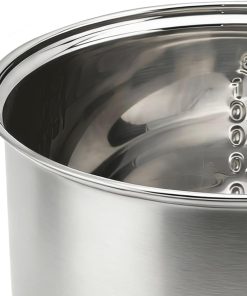
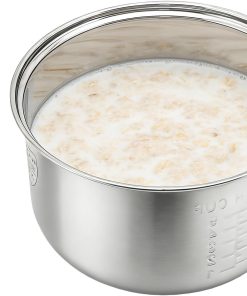
When it comes to inner pots for rice cookers, variety is vital. You can find stainless steel options that are durable and resistant to scratches. They conduct heat well, ensuring they cook even every time.
Non-stick inner pots are another popular choice. Their smooth surfaces make cleanup a breeze, but be cautious with metal utensils as they can easily scratch the coating over time.
Ceramic inner pots offer a stylish touch while providing excellent heat retention. They're great for those who prefer an eco-friendly option and want to avoid chemical coatings.
For some advanced models, you might discover induction-compatible pots that significantly enhance efficiency and reduce cooking times.
Unique pots are designed for different types of grains, or multi-cookers expand your culinary horizons beyond rice! Each type brings its benefits—choosing wisely will elevate your cooking experience.
Tips for Maintaining and Prolonging the Life of Your New Inner Pot
Start gently cleaning to keep your rice cooker's inner pot in top shape. Use warm, soapy water and a soft sponge. Avoid abrasive materials that could scratch the surface.
Always let the inner pot cool before washing. Sudden temperature changes can warp it over time.
When cooking, avoid using metal utensils inside the pot. Opt for silicone or wooden tools to prevent scratches that may lead to peeling.
Proper storage of your inner pot is just as crucial. Please keep it in a dry place, away from heavy items that could dent or damage it.
If you notice any signs of wear, like discoloration or scratches, it's best to replace it sooner rather than later. This small step can significantly extend its lifespan and ensure delicious rice cooking results!
Alternative Methods for Cooking Rice Without a Rice Cooker
If your rice cooker is out of commission and you need more time to be ready to invest in a replacement, there are plenty of alternative methods for cooking rice. Each method has its charm and can yield delicious results.
One popular option is the stovetop technique. Start by rinsing your rice under cold water until the water runs clear. This removes excess starch and prevents it from becoming too sticky. Combine one part rice with two parts water in a pot, bring it to a boil, then reduce the heat to low, cover, and let it simmer for about 18 minutes or until all the water is absorbed—fluff with a fork before serving.
Microwave cooking offers another quick solution. Use a microwave-safe bowl with a lid, or wrap it tightly with plastic wrap. Mix one cup of rinsed rice with two cups of water and microwave on high for 10-12 minutes until the liquid absorbs completely.
For those who enjoy camping or outdoor activities, try using an open-flame method: Place your pot over hot coals or flames while ensuring it's securely covered. This brings forth an earthy flavor that many find appealing.
Pressure cookers also make excellent alternatives if you have one at hand—these gadgets speed up cooking time dramatically without compromising taste!
With these techniques, you'll always have perfectly cooked rice again! Whether replacing that old inner pot or trying different methods, good meals await you in every grain.
Compatibility & Buying Guides
Rice Cooker Parts & Accessories Guide›Rice Cooker Inner Pot Compatibility Guide›Rice Cooker Maintenance & Troubleshooting›Matching Products
Healeved Rice Cooker 10 Cup Rice Cooker Inner Pot Rice Cooker Replace Liner Nonstick Cooking Pot Inner,4.5Qt Rice Cooker Inner
Instant Pot 3-Qt Ceramic Non-Stick Inner Cooking Pot for Rice, Slow Cooking, Black
Find the right Rice Cooker Inner Pot Replacement for your kitchen.Compare capacity, settings, fit, care requirements, and the live products shown above.
Browse Rice Cooker Parts and Accessories →Revive Your Rice Cooker: A Complete Guide to Inner Pot Replacement
Is your trusty rice cooker starting to show its age? If the inner pot is scratched, warped, or simply not performing like it used to, you might wonder if it’s time for a replacement. Fear not! Reviving your Rice Cooker Inner Pot Replacement doesn’t have to mean tossing it out and buying a new one. With a simple inner pot replacement, you can quickly return that fluffy rice and perfectly cooked grains.
This comprehensive guide will explore the different types of inner pots available today. Plus, you’ll learn handy tips for maintaining your new pot so it lasts longer than ever before. And hey, if you’re looking for alternative ways to cook rice without relying solely on your beloved appliance—don’t worry; we’ve got you covered, too! Let’s dive into everything you need to know about giving your rice cooker a fresh lease on life.
Different Types of Inner Pots Available in The Market
When it comes to inner pots for rice cookers, variety is vital. You can find stainless steel options that are durable and resistant to scratches. They conduct heat well, ensuring they cook even every time.
Non-stick inner pots are another popular choice. Their smooth surfaces make cleanup a breeze, but be cautious with metal utensils as they can easily scratch the coating over time.
Ceramic inner pots offer a stylish touch while providing excellent heat retention. They’re great for those who prefer an eco-friendly option and want to avoid chemical coatings.
For some advanced models, you might discover induction-compatible pots that significantly enhance efficiency and reduce cooking times.
Unique pots are designed for different types of grains, or multi-cookers expand your culinary horizons beyond rice! Each type brings its benefits—choosing wisely will elevate your cooking experience.
Tips for Maintaining and Prolonging the Life of Your New Inner Pot
Start gently cleaning to keep your rice cooker’s inner pot in top shape. Use warm, soapy water and a soft sponge. Avoid abrasive materials that could scratch the surface.
Always let the inner pot cool before washing. Sudden temperature changes can warp it over time.
When cooking, avoid using metal utensils inside the pot. Opt for silicone or wooden tools to prevent scratches that may lead to peeling.
Proper storage of your inner pot is just as crucial. Please keep it in a dry place, away from heavy items that could dent or damage it.
If you notice any signs of wear, like discoloration or scratches, it’s best to replace it sooner rather than later. This small step can significantly extend its lifespan and ensure delicious rice cooking results!
Alternative Methods for Cooking Rice Without a Rice Cooker
If your rice cooker is out of commission and you need more time to be ready to invest in a replacement, there are plenty of alternative methods for cooking rice. Each method has its charm and can yield delicious results.
One popular option is the stovetop technique. Start by rinsing your rice under cold water until the water runs clear. This removes excess starch and prevents it from becoming too sticky. Combine one part rice with two parts water in a pot, bring it to a boil, then reduce the heat to low, cover, and let it simmer for about 18 minutes or until all the water is absorbed—fluff with a fork before serving.
Microwave cooking offers another quick solution. Use a microwave-safe bowl with a lid, or wrap it tightly with plastic wrap. Mix one cup of rinsed rice with two cups of water and microwave on high for 10-12 minutes until the liquid absorbs completely.
For those who enjoy camping or outdoor activities, try using an open-flame method: Place your pot over hot coals or flames while ensuring it’s securely covered. This brings forth an earthy flavor that many find appealing.
Pressure cookers also make excellent alternatives if you have one at hand—these gadgets speed up cooking time dramatically without compromising taste!
With these techniques, you’ll always have perfectly cooked rice again! Whether replacing that old inner pot or trying different methods, good meals await you in every grain.