




PRODUCT TAG COLLECTION
Rice Cooker Inside Pot
Unlocking the Secrets: The Ultimate Guide to Your Rice Cooker's Inner Pot Have you ever wondered about the magic happening inside your rice cooker? The secret lies in its inner pot, a crucial component…
Compare productsReview useful featuresChoose with confidence

Rice Cooker Parts and Accessories

Rice Cooker Parts and Accessories

Rice Cooker Parts and Accessories
Instant Pot 3-Qt Ceramic Non-Stick Inner Cooking Pot for Rice, Slow Cooking, Black

Rice Cooker Parts and Accessories

Rice Cooker Parts and Accessories
Instant Pot Ceramic Inner Slow Cooking Pot 6-Qt, Non-Stick Coated Interior, Rice Cooker

Rice Cooker Parts and Accessories
Rice Cooker Parts and Accessories

Rice Cooker Parts and Accessories
Finding the Right Rice Cooker Inside Pot
This collection currently includes 8 matching products. Compare capacity, cooking functions, controls, materials, cleaning requirements, price, and availability to narrow the options for your kitchen.

✓
CompatibilityMatch the cooker model and intended use
✓
Correct FitCheck dimensions, shape and connection points
✓
Material & CareReview construction and cleaning guidance
✓
Useful Add-onsCompare the available accessory options
Compare Size, Material and Fit
- Compatibility: Confirm the accessory is intended for the exact cooker model whenever possible.
- Dimensions and fit: Check size, shape, connection points, and other fit details before ordering.
- Material and care: Review the construction material and cleaning or maintenance guidance.
- Intended purpose: Make sure the item solves the replacement, cooking, steaming, or serving need you have.
For broader buying help, use the Rice Cooker Parts & Accessories Guide. You can also browse the Rice Cooker Parts and Accessories category to compare related options.
Rice Cooker Inside Pot Fit & Compatibility Questions
How many products are currently in this collection?
This Product Tag currently contains 8 live products. Availability can change as the catalog is updated.
What should I compare before choosing?
Start with capacity or fit, then compare the functions, controls, materials, cleaning requirements, and specifications that matter for your intended use.
Where can I check complete product details?
Open the individual product listing for the full specifications, current price, availability, images, and model-specific information before buying.
Detailed Rice Cooker Inside Pot GuideRead detailed tag content
Unlocking the Secrets: The Ultimate Guide to Your Rice Cooker's Inner Pot
Have you ever wondered about the magic happening inside your rice cooker? The secret lies in its inner pot, a crucial component that can elevate your cooking experience. This seemingly simple piece quickly transforms plain grains into fluffy, delicious meals. But not all inner pots are created equal. Each type offers unique advantages and is designed for specific tasks beyond cooking rice. Unlocking the potential of your Rice Cooker Inside Pot can open up a world of culinary possibilities. Whether you aim to perfect sushi rice or whip up a hearty porridge, understanding how to use this essential kitchen tool will make all the difference. Get ready to dive deep into the details of different types of inner pots, handy tips for mastering them, and solutions for common hiccups. Let's explore what makes your rice cooker truly special!
Different Types of Inner Pots and Their Uses
Rice cookers come equipped with various inner pots designed for specific cooking needs. The most common type is the non-stick pot. This makes cleanup a breeze and prevents rice from sticking, ensuring perfect fluffy grains every time.
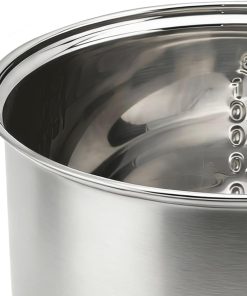
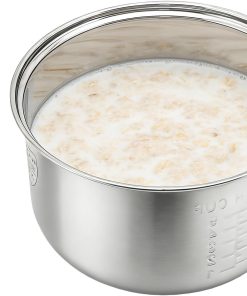
Then there's the stainless steel pot. It offers durability and even heat distribution, ideal for those who want to avoid chemical coatings. While cleaning may require more effort, it's a favorite among health-conscious cooks.
Some rice cookers feature separate ceramic or clay pots for enthusiasts of multi-cooking modes. These pots retain heat exceptionally well and enhance flavors—perfect for stews or slow-cooked dishes.
Consider induction-ready inner pots made from unique materials that allow them to work on any stovetop surface. They're versatile and can be used for culinary creations beyond your rice cooker. Each type has its unique strengths that are waiting to be explored!
Tips and Tricks for Cooking with Your Inner Pot
Cooking with your rice cooker's inner pot can be a breeze if you follow a few helpful tips. Start by rinsing your rice thoroughly before cooking. This simple step removes excess starch and prevents clumping.
Pay attention to water ratios, as different types of grains require varying amounts. A standard ratio for white rice is usually 1:2, but brown rice may need more liquid.
Another trick is to let the cooked rice sit in the pot for about 10 minutes after cooking. This resting period allows flavors to meld and moisture to distribute evenly.
Experiment with adding spices or broth instead of plain water for enhanced flavor. You can even toss vegetables or proteins directly into the pot during cooking for one-pot meals, saving cleanup time.
Cleaning your inner pot properly ensures longevity; avoid using abrasive materials that could scratch its surface.
Troubleshooting Common Issues with the Inner Pot
Understanding your rice cooker's inner pot can elevate your cooking experience, but sometimes issues arise. Here are some common problems you may encounter and how to address them.
One of the most frequent complaints is food sticking to the inner pot. This often happens when not enough water is added or if you're using an old or scratched pot. Always use the correct amount of water for your rice to prevent this. If sticking persists despite proper usage, consider replacing your pot with a new non-stick version.
Another area for improvement could be unevenly cooked rice. If one side seems undercooked while another overcooks, check that your inner pot sits appropriately on the heating element. It should make good contact all around for even heat distribution. Also, avoid overcrowding; cook in smaller batches if necessary.
If your rice cooker isn't turning on, inspect the power supply and connections to ensure everything is plugged in correctly. A simple reset by unplugging it for a few minutes can sometimes solve electrical glitches.
Burnt-on residue at the bottom after cooking can also be bothersome. Soak your inner pot in warm, soapy water right after use to loosen any stubborn bits before washing it as usual.
By familiarizing yourself with these common challenges and their solutions, you'll enhance efficiency and enjoyment during meal preparation with your trusty rice cooker inside the pot.
Helpful Accessory Guides
Rice Cooker Parts & Accessories Guide›Rice Cooker Inner Pot Compatibility Guide›Rice Cooker Maintenance & Troubleshooting›Matching Products
Healeved Rice Cooker 10 Cup Rice Cooker Inner Pot Rice Cooker Replace Liner Nonstick Cooking Pot Inner,4.5Qt Rice Cooker Inner
Instant Pot 3-Qt Ceramic Non-Stick Inner Cooking Pot for Rice, Slow Cooking, Black
Find the right Rice Cooker Inside Pot for your kitchen.Compare capacity, settings, fit, care requirements, and the live products shown above.
Browse Rice Cooker Parts and Accessories →Unlocking the Secrets: The Ultimate Guide to Your Rice Cooker’s Inner Pot
Have you ever wondered about the magic happening inside your rice cooker? The secret lies in its inner pot, a crucial component that can elevate your cooking experience. This seemingly simple piece quickly transforms plain grains into fluffy, delicious meals. But not all inner pots are created equal. Each type offers unique advantages and is designed for specific tasks beyond cooking rice. Unlocking the potential of your Rice Cooker Inside Pot can open up a world of culinary possibilities. Whether you aim to perfect sushi rice or whip up a hearty porridge, understanding how to use this essential kitchen tool will make all the difference. Get ready to dive deep into the details of different types of inner pots, handy tips for mastering them, and solutions for common hiccups. Let’s explore what makes your rice cooker truly special!
Different Types of Inner Pots and Their Uses
Rice cookers come equipped with various inner pots designed for specific cooking needs. The most common type is the non-stick pot. This makes cleanup a breeze and prevents rice from sticking, ensuring perfect fluffy grains every time.
Then there’s the stainless steel pot. It offers durability and even heat distribution, ideal for those who want to avoid chemical coatings. While cleaning may require more effort, it’s a favorite among health-conscious cooks.
Some rice cookers feature separate ceramic or clay pots for enthusiasts of multi-cooking modes. These pots retain heat exceptionally well and enhance flavors—perfect for stews or slow-cooked dishes.
Consider induction-ready inner pots made from unique materials that allow them to work on any stovetop surface. They’re versatile and can be used for culinary creations beyond your rice cooker. Each type has its unique strengths that are waiting to be explored!
Tips and Tricks for Cooking with Your Inner Pot
Cooking with your rice cooker’s inner pot can be a breeze if you follow a few helpful tips. Start by rinsing your rice thoroughly before cooking. This simple step removes excess starch and prevents clumping.
Pay attention to water ratios, as different types of grains require varying amounts. A standard ratio for white rice is usually 1:2, but brown rice may need more liquid.
Another trick is to let the cooked rice sit in the pot for about 10 minutes after cooking. This resting period allows flavors to meld and moisture to distribute evenly.
Experiment with adding spices or broth instead of plain water for enhanced flavor. You can even toss vegetables or proteins directly into the pot during cooking for one-pot meals, saving cleanup time.
Cleaning your inner pot properly ensures longevity; avoid using abrasive materials that could scratch its surface.
Troubleshooting Common Issues with the Inner Pot
Understanding your rice cooker’s inner pot can elevate your cooking experience, but sometimes issues arise. Here are some common problems you may encounter and how to address them.
One of the most frequent complaints is food sticking to the inner pot. This often happens when not enough water is added or if you’re using an old or scratched pot. Always use the correct amount of water for your rice to prevent this. If sticking persists despite proper usage, consider replacing your pot with a new non-stick version.
Another area for improvement could be unevenly cooked rice. If one side seems undercooked while another overcooks, check that your inner pot sits appropriately on the heating element. It should make good contact all around for even heat distribution. Also, avoid overcrowding; cook in smaller batches if necessary.
If your rice cooker isn’t turning on, inspect the power supply and connections to ensure everything is plugged in correctly. A simple reset by unplugging it for a few minutes can sometimes solve electrical glitches.
Burnt-on residue at the bottom after cooking can also be bothersome. Soak your inner pot in warm, soapy water right after use to loosen any stubborn bits before washing it as usual.
By familiarizing yourself with these common challenges and their solutions, you’ll enhance efficiency and enjoyment during meal preparation with your trusty rice cooker inside the pot.