

PRODUCT TAG COLLECTION
Sushi Rice Cooking Napkin
The Ultimate Guide to Perfect Sushi Rice: Secrets and Tips from the Cooking Napkin Sushi is an art form, and at the heart of every excellent sushi roll lies one crucial ingredient: the rice.…
Compare productsReview useful featuresChoose with confidence

Rice Cooker Parts and Accessories
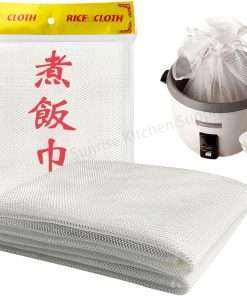
43″ x 43″ Sushi Rice Cooking Net/Rice Cooker Napkin/Sushi Rice Cooking Napkin (4)
What to Check Before Ordering Sushi Rice Cooking Napkin
This collection currently has one matching product. Review its capacity, cooking functions, controls, materials, cleaning requirements, price, and availability before deciding whether it fits your kitchen.
✓
CompatibilityMatch the cooker model and intended use
✓
Correct FitCheck dimensions, shape and connection points
✓
Material & CareReview construction and cleaning guidance
✓
Useful Add-onsReview the available accessory in detail
Compatibility Checks That Matter
- Compatibility: Confirm the accessory is intended for the exact cooker model whenever possible.
- Dimensions and fit: Check size, shape, connection points, and other fit details before ordering.
- Material and care: Review the construction material and cleaning or maintenance guidance.
- Intended purpose: Make sure the item solves the replacement, cooking, steaming, or serving need you have.
For broader buying help, use the Rice Cooker Parts & Accessories Guide. You can also browse the Rice Cooker Parts and Accessories category to compare related options.
Sushi Rice Cooking Napkin Fit & Compatibility Questions
How many products are currently in this collection?
This Product Tag currently contains one live product. Availability can change as the catalog is updated.
What should I compare before choosing?
Start with capacity or fit, then compare the functions, controls, materials, cleaning requirements, and specifications that matter for your intended use.
Where can I check complete product details?
Open the individual product listing for the full specifications, current price, availability, images, and model-specific information before buying.
Detailed Sushi Rice Cooking Napkin GuideRead detailed tag content
The Ultimate Guide to Perfect Sushi Rice: Secrets and Tips from the Cooking Napkin
Sushi is an art form, and at the heart of every excellent sushi roll lies one crucial ingredient: the rice. It's not just any ordinary rice; it's a delicate blend of flavors, textures, and temperatures that can elevate your sushi experience from good to unforgettable. You're in the right place if you've tried to recreate that perfect bite at home but needed help with mushy or bland rice.
The secrets to mastering sushi rice—often called "sushi shari"—are waiting for you. Whether you're a seasoned chef or just starting your culinary journey, this guide will walk you through everything you need to know about making perfect sushi rice. Get ready to dive deep into techniques, tips, and even some creative uses for leftover grains! Your culinary adventure starts now.
The Role of Vinegar in Sushi Rice
Vinegar plays a pivotal role in sushi rice, transforming it from plain to extraordinary. It's not just about flavor; vinegar enhances texture and helps preserve the rice.
Rice vinegar is traditionally used. It imparts a subtle tang that balances the sweetness of the grains. This delicate acidity beautifully complements fresh fish and crispy vegetables.
The right balance of vinegar brings out umami flavors while keeping each grain distinct. After cooking, the warm rice absorbs this mixture, creating a glossy finish that signals perfection.
Additionally, vinegar acts as a natural preservative. Traditional sushi-making practices allow chefs to store their creations safely without compromising quality or taste.
Adding vinegar to your sushi rice isn't merely an option—it's essential for achieving that authentic experience every time you roll up your favorite ingredients.
Choosing the Right Type of Rice for Sushi
Choosing the correct type of rice is crucial for achieving that perfect sushi texture and flavor. Look for short-grain Japanese rice, often labeled as "sushi rice" or "shari." Its sticky nature helps hold together your sushi rolls.
You might encounter varieties like Koshihikari or Calrose. Both are excellent choices due to their sweetness and ideal stickiness. Avoid long-grain options, as they won't provide the same consistency.
Rinsing your rice before cooking is equally essential. This removes excess starch and prevents it from becoming gummy. Aim for a clean, fluffy finish when cooked.
Consider sourcing organic or high-quality brands. They often yield better taste and texture, elevating your sushi experience at home! Choosing the correct type of rice truly sets the foundation for delicious homemade sushi creations you'll love sharing with friends and family.
Step-by-Step Guide to Making Perfect Sushi Rice
Start by rinsing your sushi rice in cold water. This helps remove excess starch, which can make the rice gummy. Rinse until the water is clear.
Next, soak the rice for about 30 minutes. This allows each grain to absorb moisture, making it more tender when cooked.
Then, drain and transfer the rice to a pot or rice cooker. Use a ratio of 1:1.2—one cup of rice to 1.2 cups of water. If using a pot, boil it over high heat before reducing it to low and covering it with a lid.
Cook for around 18-20 minutes without lifting the lid! Once done, let it sit off heat for an additional ten minutes.
While resting, prepare your vinegar mixture—typically composed of rice vinegar, sugar, and salt—and gently fold it into your warm rice after fluffing with a wooden spoon or spatula.
Common Mistakes to Avoid When Cooking Sushi Rice
Cooking sushi rice can feel daunting, but avoiding a few common mistakes makes all the difference.
One major pitfall is skipping the rinsing step. Rinsing your rice removes excess starch and prevents it from turning gummy. This simple act sets up your grains for that perfect texture.
Another mistake is to measure water accurately. Too much or too little can ruin your batch, leading to mushy or dry rice.
Also, be mindful of cooking time. Overcooking leads to clumpy rice, while undercooking leaves hard grains. Stick closely to the recommended times and adjust based on your stove's performance.
Don't rush the cooling process after cooking! Spreading hot rice in a wooden bowl helps it cool evenly while allowing moisture to escape. Patience here pays off big time in flavor and texture!
Tips for Storing and Reheating Leftover Sushi Rice
To store leftover sushi rice, let it cool to room temperature first. This prevents condensation and unwanted moisture buildup. Transfer it to an airtight container for best results.
Keep the leftovers in the fridge if you plan to eat them within a day or two. For more extended storage, consider freezing your sushi rice. Remember to divide it into smaller portions before freezing for easier reheating later.
When it's time to reheat, avoid using the microwave directly at full power; this can dry out your rice. Instead, add a splash of water and cover with a damp paper towel or lid. Heat in short intervals until warm.
Place the rice in a pan with water over low heat for stovetop reheating. Stir occasionally until heated through and fluffy again.
These simple steps will help maintain that perfect texture—like when you made it fresh!
Creative Ways to Use Leftover Sushi Rice
Leftover sushi rice doesn't have to go to waste. There are plenty of creative and delicious ways to use it. Here are some ideas that can elevate your meals.
Consider making sushi bowls. Start with a base of warmed sushi rice, then top it with fresh vegetables and proteins like grilled chicken or tofu. Drizzle on soy sauce or teriyaki for added flavor. This dish is customizable and easy to whip up.
Another option is creating rice cakes. Mix the leftover sushi rice with seasonings and shape them into patties. Pan-fry until golden brown for a crispy treat that pairs perfectly with dips or sauces.
You can also try using it in stir-fries! Toss the cold leftover rice into a hot pan with your favorite veggies, eggs, and protein for a quick meal with flavor.
Sushi burritos provide another fun twist. You can wrap ingredients such as avocado, cucumber, crab meat, or even spicy tuna in nori sheets filled with sushi rice for an on-the-go meal that's both hearty and satisfying.
Consider transforming leftover sushi rice into dessert by mixing it with coconut milk and sugar to create sweet coconut sticky rice. Top this delightful creation off with sliced mango for an exotic finish!
With these tips from Cooking Napkin's Ultimate Guide on Sushi Rice Cooking Napkin, you'll always look at leftover sushi rice in different ways!
Guides for Parts & Fit
Rice Cooker Parts & Accessories Guide›Rice Cooker Inner Pot Compatibility Guide›Rice Cooker Maintenance & Troubleshooting›More Accessory Options
Find the right Sushi Rice Cooking Napkin for your kitchen.Compare capacity, settings, fit, care requirements, and the live products shown above.
Browse Rice Cooker Parts and Accessories →The Ultimate Guide to Perfect Sushi Rice: Secrets and Tips from the Cooking Napkin
Sushi is an art form, and at the heart of every excellent sushi roll lies one crucial ingredient: the rice. It’s not just any ordinary rice; it’s a delicate blend of flavors, textures, and temperatures that can elevate your sushi experience from good to unforgettable. You’re in the right place if you’ve tried to recreate that perfect bite at home but needed help with mushy or bland rice.
The secrets to mastering sushi rice—often called “sushi shari”—are waiting for you. Whether you’re a seasoned chef or just starting your culinary journey, this guide will walk you through everything you need to know about making perfect sushi rice. Get ready to dive deep into techniques, tips, and even some creative uses for leftover grains! Your culinary adventure starts now.
The Role of Vinegar in Sushi Rice
Vinegar plays a pivotal role in sushi rice, transforming it from plain to extraordinary. It’s not just about flavor; vinegar enhances texture and helps preserve the rice.
Rice vinegar is traditionally used. It imparts a subtle tang that balances the sweetness of the grains. This delicate acidity beautifully complements fresh fish and crispy vegetables.
The right balance of vinegar brings out umami flavors while keeping each grain distinct. After cooking, the warm rice absorbs this mixture, creating a glossy finish that signals perfection.
Additionally, vinegar acts as a natural preservative. Traditional sushi-making practices allow chefs to store their creations safely without compromising quality or taste.
Adding vinegar to your sushi rice isn’t merely an option—it’s essential for achieving that authentic experience every time you roll up your favorite ingredients.
Choosing the Right Type of Rice for Sushi
Choosing the correct type of rice is crucial for achieving that perfect sushi texture and flavor. Look for short-grain Japanese rice, often labeled as “sushi rice” or “shari.” Its sticky nature helps hold together your sushi rolls.
You might encounter varieties like Koshihikari or Calrose. Both are excellent choices due to their sweetness and ideal stickiness. Avoid long-grain options, as they won’t provide the same consistency.
Rinsing your rice before cooking is equally essential. This removes excess starch and prevents it from becoming gummy. Aim for a clean, fluffy finish when cooked.
Consider sourcing organic or high-quality brands. They often yield better taste and texture, elevating your sushi experience at home! Choosing the correct type of rice truly sets the foundation for delicious homemade sushi creations you’ll love sharing with friends and family.
Step-by-Step Guide to Making Perfect Sushi Rice
Start by rinsing your sushi rice in cold water. This helps remove excess starch, which can make the rice gummy. Rinse until the water is clear.
Next, soak the rice for about 30 minutes. This allows each grain to absorb moisture, making it more tender when cooked.
Then, drain and transfer the rice to a pot or rice cooker. Use a ratio of 1:1.2—one cup of rice to 1.2 cups of water. If using a pot, boil it over high heat before reducing it to low and covering it with a lid.
Cook for around 18-20 minutes without lifting the lid! Once done, let it sit off heat for an additional ten minutes.
While resting, prepare your vinegar mixture—typically composed of rice vinegar, sugar, and salt—and gently fold it into your warm rice after fluffing with a wooden spoon or spatula.
Common Mistakes to Avoid When Cooking Sushi Rice
Cooking sushi rice can feel daunting, but avoiding a few common mistakes makes all the difference.
One major pitfall is skipping the rinsing step. Rinsing your rice removes excess starch and prevents it from turning gummy. This simple act sets up your grains for that perfect texture.
Another mistake is to measure water accurately. Too much or too little can ruin your batch, leading to mushy or dry rice.
Also, be mindful of cooking time. Overcooking leads to clumpy rice, while undercooking leaves hard grains. Stick closely to the recommended times and adjust based on your stove’s performance.
Don’t rush the cooling process after cooking! Spreading hot rice in a wooden bowl helps it cool evenly while allowing moisture to escape. Patience here pays off big time in flavor and texture!
Tips for Storing and Reheating Leftover Sushi Rice
To store leftover sushi rice, let it cool to room temperature first. This prevents condensation and unwanted moisture buildup. Transfer it to an airtight container for best results.
Keep the leftovers in the fridge if you plan to eat them within a day or two. For more extended storage, consider freezing your sushi rice. Remember to divide it into smaller portions before freezing for easier reheating later.
When it’s time to reheat, avoid using the microwave directly at full power; this can dry out your rice. Instead, add a splash of water and cover with a damp paper towel or lid. Heat in short intervals until warm.
Place the rice in a pan with water over low heat for stovetop reheating. Stir occasionally until heated through and fluffy again.
These simple steps will help maintain that perfect texture—like when you made it fresh!
Creative Ways to Use Leftover Sushi Rice
Leftover sushi rice doesn’t have to go to waste. There are plenty of creative and delicious ways to use it. Here are some ideas that can elevate your meals.
Consider making sushi bowls. Start with a base of warmed sushi rice, then top it with fresh vegetables and proteins like grilled chicken or tofu. Drizzle on soy sauce or teriyaki for added flavor. This dish is customizable and easy to whip up.
Another option is creating rice cakes. Mix the leftover sushi rice with seasonings and shape them into patties. Pan-fry until golden brown for a crispy treat that pairs perfectly with dips or sauces.
You can also try using it in stir-fries! Toss the cold leftover rice into a hot pan with your favorite veggies, eggs, and protein for a quick meal with flavor.
Sushi burritos provide another fun twist. You can wrap ingredients such as avocado, cucumber, crab meat, or even spicy tuna in nori sheets filled with sushi rice for an on-the-go meal that’s both hearty and satisfying.
Consider transforming leftover sushi rice into dessert by mixing it with coconut milk and sugar to create sweet coconut sticky rice. Top this delightful creation off with sliced mango for an exotic finish!
With these tips from Cooking Napkin’s Ultimate Guide on Sushi Rice Cooking Napkin, you’ll always look at leftover sushi rice in different ways!