


PRODUCT TAG COLLECTION
Inner Cooker Pot Replacement
Essential Guide to Inner Cooker Pot Replacement: When and How to Make the Switch Is your pressure cooker starting to show signs of wear and tear? If you've been using it daily, the inner…
Compare productsReview useful featuresChoose with confidence


Rice Cooker Parts and Accessories
Inner Cooker Pot Replacement: Fit and Compatibility Basics
This collection currently includes 2 matching products. Compare capacity, cooking functions, controls, materials, cleaning requirements, price, and availability to narrow the options for your kitchen.
✓
CompatibilityMatch the cooker model and intended use
✓
Correct FitCheck dimensions, shape and connection points
✓
Material & CareReview construction and cleaning guidance
✓
Useful Add-onsCompare the available accessory options
Fit Details to Verify
- Compatibility: Confirm the accessory is intended for the exact cooker model whenever possible.
- Dimensions and fit: Check size, shape, connection points, and other fit details before ordering.
- Material and care: Review the construction material and cleaning or maintenance guidance.
- Intended purpose: Make sure the item solves the replacement, cooking, steaming, or serving need you have.
For broader buying help, use the Rice Cooker Parts & Accessories Guide. You can also browse the Rice Cooker Parts and Accessories category to compare related options.
Inner Cooker Pot Replacement Fit & Compatibility Questions
How many products are currently in this collection?
This Product Tag currently contains 2 live products. Availability can change as the catalog is updated.
What should I compare before choosing?
Start with capacity or fit, then compare the functions, controls, materials, cleaning requirements, and specifications that matter for your intended use.
Where can I check complete product details?
Open the individual product listing for the full specifications, current price, availability, images, and model-specific information before buying.
Detailed Inner Cooker Pot Replacement GuideRead detailed tag content
Essential Guide to Inner Cooker Pot Replacement: When and How to Make the Switch
Is your pressure cooker starting to show signs of wear and tear? If you've been using it daily, the inner pot might need more attention than you think. The right inner cooker pot can make all the difference in achieving delicious meals quickly and efficiently. But how do you know when it's time for a replacement? This guide will walk you through everything you need about inner cooker pot replacement, from identifying warning signs to choosing the perfect fit for your kitchen companion. Let's dive into ensuring that your cooking adventures continue without a hitch!
Signs That Your Inner Cooker Pot Needs Replacing
Recognizing when your inner cooker pot needs replacing can save you from cooking disasters. One clear sign is visible scratches or dents. These imperfections not only affect the aesthetic but can also impact performance.
If you notice food sticking more than usual, it's a red flag. This issue often arises from wear on the non-stick coating, leading to uneven heating and difficult clean-up.
Discoloration is another indicator that something's wrong. A change in color—especially dark spots—can signal damage that may alter the way your meals turn out.
If you detect unusual odors during cooking, it's time to inspect closely. Burnt smells or strange scents are signs of deeper issues with the material and could compromise safety and flavor.
How to Properly Care for Your Inner Cooker Pot
Caring for your inner cooker pot ensures its longevity and performance. After each use, allow it to cool down naturally before cleaning. This prevents warping and maintains its shape.
Use warm, soapy water and a soft sponge to clean the interior. Avoid abrasive materials that can scratch the surface. Rinse thoroughly to remove any soap residue.
For stubborn stains or burnt food, soak the pot in warm water for a few hours before scrubbing gently. Baking soda is an excellent natural cleaner; sprinkle some on tough spots for extra power.
Always dry your inner cooker pot entirely after washing, as moisture can lead to rust or mold over time. Store it in a dry place without stacking heavy items on top of it to avoid dents or scratches.
Check for any signs of wear or damage during cleaning regularly. This proactive approach helps you catch issues early before they escalate into bigger problems.
The Different Types of Inner Cooker Pots
Variety is vital when it comes to inner cooker pots. Different materials cater to different cooking needs and preferences.
Stainless steel pots are famous for their durability and resistance to staining. They evenly distribute heat, making them ideal for precise cooking.
Non-stick options offer convenience and ease of cleaning. Foods glide off these surfaces, reducing the need for excess oil or butter.
Ceramic-coated pots provide a good balance between non-stick properties and health-conscious cooking. They are free from harmful chemicals often found in traditional non-stick coatings.
For those who prioritize speed, pressure cooker inserts can significantly reduce meal prep time while locking in flavors.
Each type has its strengths, so think about what features matter most before choosing. Your culinary adventures will be all the better for it!
Step-by-Step Guide on Replacing Your Inner Cooker Pot
Replacing your inner cooker pot can seem daunting but relatively straightforward. First, ensure your cooker is unplugged and completely relaxed. Safety comes first.
Next, remove the old inner pot by gently lifting it from the base. If it's stuck, a slight twist can help free it.
Now, take your new inner pot and give it a quick rinse to eliminate any manufacturing residues. Firmly place it into your cooker base so that it sits evenly.
Before using your new pot for cooking, run a test cycle with water to make sure everything works smoothly. This also helps you familiarize yourself with how the new pot fits within the cooker settings.
Clean up any spills from this process and enjoy exploring delicious recipes with your fresh replacement!
Tips for Choosing the Right Inner Cooker Pot Replacement
Choosing the suitable inner cooker pot replacement can significantly enhance your cooking experience. When selecting a new pot, consider the material first. Stainless steel is durable and resistant to scratches, while non-stick options are easier to clean.
Next, pay attention to size. Ensure that the replacement fits perfectly in your cooker model. Check specifications or consult user manuals for guidance on compatible sizes.
Another critical factor is brand compatibility. For optimal performance and safety reasons, it's wise to stick with the same brand as your original pot. However, generic options are available if you're looking for something more budget-friendly.
Remember features like handles and lids; these elements can impact usability. Some pots come with heat-resistant handles or tempered glass lids that allow you to monitor cooking without lifting the lid.
Read reviews before making a purchase decision. Other users' experiences can provide valuable insights into quality and longevity.
By considering these factors, you'll be well-equipped to find an inner cooker pot replacement that meets all your culinary needs.
Guides for Parts & Fit
Rice Cooker Parts & Accessories Guide›Rice Cooker Inner Pot Compatibility Guide›Rice Cooker Maintenance & Troubleshooting›Matching Products
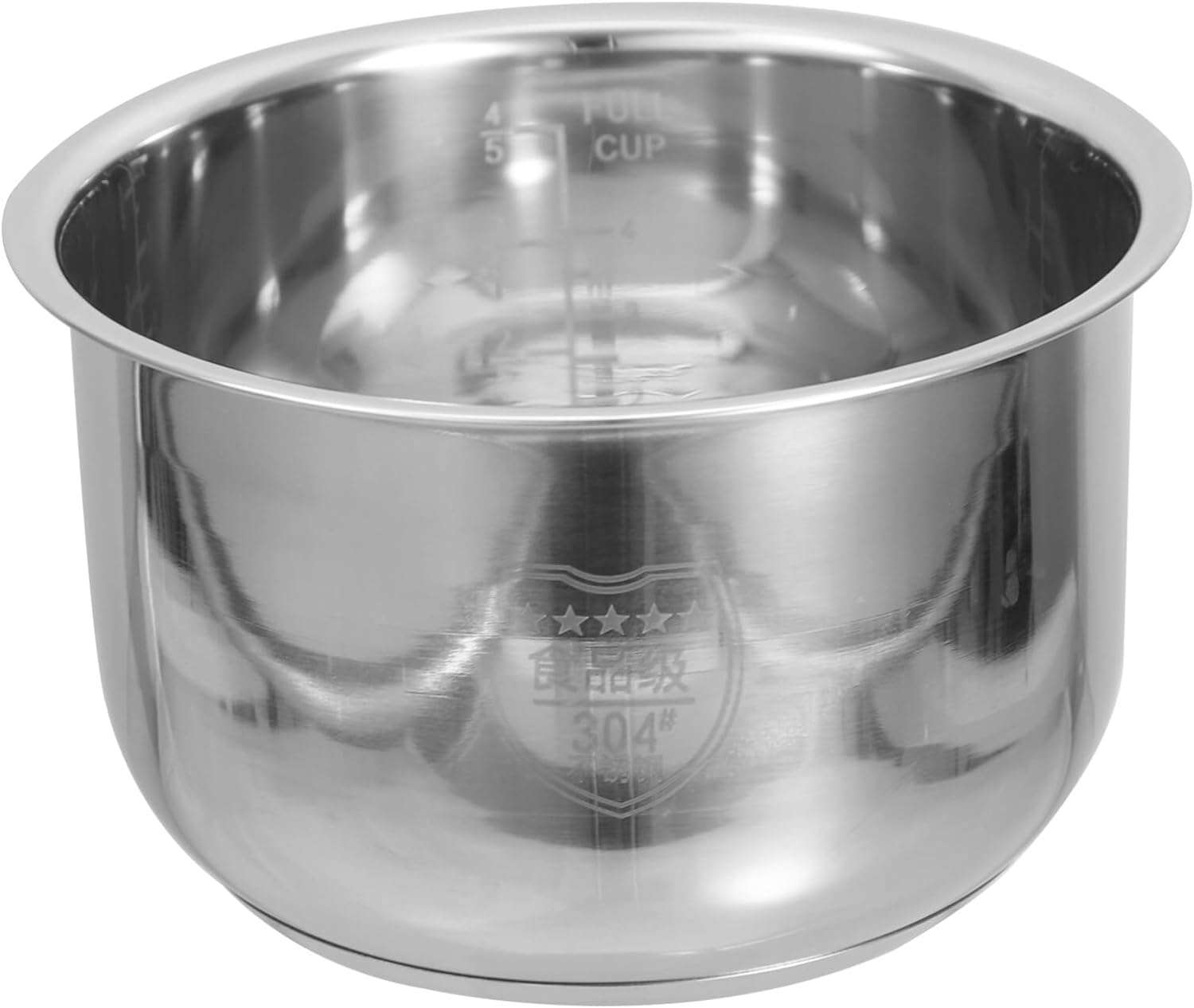
Yardwe Rice Cooker Inner Pot, Stainless Steel Inner Cooking Pot Non-Stick Rice Cooker Pot for Home Kitchen 2L
Find the right Inner Cooker Pot Replacement for your kitchen.Compare capacity, settings, fit, care requirements, and the live products shown above.
Browse Rice Cooker Parts and Accessories →Essential Guide to Inner Cooker Pot Replacement: When and How to Make the Switch
Is your pressure cooker starting to show signs of wear and tear? If you’ve been using it daily, the inner pot might need more attention than you think. The right inner cooker pot can make all the difference in achieving delicious meals quickly and efficiently. But how do you know when it’s time for a replacement? This guide will walk you through everything you need about inner cooker pot replacement, from identifying warning signs to choosing the perfect fit for your kitchen companion. Let’s dive into ensuring that your cooking adventures continue without a hitch!
Signs That Your Inner Cooker Pot Needs Replacing
Recognizing when your inner cooker pot needs replacing can save you from cooking disasters. One clear sign is visible scratches or dents. These imperfections not only affect the aesthetic but can also impact performance.
If you notice food sticking more than usual, it’s a red flag. This issue often arises from wear on the non-stick coating, leading to uneven heating and difficult clean-up.
Discoloration is another indicator that something’s wrong. A change in color—especially dark spots—can signal damage that may alter the way your meals turn out.
If you detect unusual odors during cooking, it’s time to inspect closely. Burnt smells or strange scents are signs of deeper issues with the material and could compromise safety and flavor.
How to Properly Care for Your Inner Cooker Pot
Caring for your inner cooker pot ensures its longevity and performance. After each use, allow it to cool down naturally before cleaning. This prevents warping and maintains its shape.
Use warm, soapy water and a soft sponge to clean the interior. Avoid abrasive materials that can scratch the surface. Rinse thoroughly to remove any soap residue.
For stubborn stains or burnt food, soak the pot in warm water for a few hours before scrubbing gently. Baking soda is an excellent natural cleaner; sprinkle some on tough spots for extra power.
Always dry your inner cooker pot entirely after washing, as moisture can lead to rust or mold over time. Store it in a dry place without stacking heavy items on top of it to avoid dents or scratches.
Check for any signs of wear or damage during cleaning regularly. This proactive approach helps you catch issues early before they escalate into bigger problems.
The Different Types of Inner Cooker Pots
Variety is vital when it comes to inner cooker pots. Different materials cater to different cooking needs and preferences.
Stainless steel pots are famous for their durability and resistance to staining. They evenly distribute heat, making them ideal for precise cooking.
Non-stick options offer convenience and ease of cleaning. Foods glide off these surfaces, reducing the need for excess oil or butter.
Ceramic-coated pots provide a good balance between non-stick properties and health-conscious cooking. They are free from harmful chemicals often found in traditional non-stick coatings.
For those who prioritize speed, pressure cooker inserts can significantly reduce meal prep time while locking in flavors.
Each type has its strengths, so think about what features matter most before choosing. Your culinary adventures will be all the better for it!
Step-by-Step Guide on Replacing Your Inner Cooker Pot
Replacing your inner cooker pot can seem daunting but relatively straightforward. First, ensure your cooker is unplugged and completely relaxed. Safety comes first.
Next, remove the old inner pot by gently lifting it from the base. If it’s stuck, a slight twist can help free it.
Now, take your new inner pot and give it a quick rinse to eliminate any manufacturing residues. Firmly place it into your cooker base so that it sits evenly.
Before using your new pot for cooking, run a test cycle with water to make sure everything works smoothly. This also helps you familiarize yourself with how the new pot fits within the cooker settings.
Clean up any spills from this process and enjoy exploring delicious recipes with your fresh replacement!
Tips for Choosing the Right Inner Cooker Pot Replacement
Choosing the suitable inner cooker pot replacement can significantly enhance your cooking experience. When selecting a new pot, consider the material first. Stainless steel is durable and resistant to scratches, while non-stick options are easier to clean.
Next, pay attention to size. Ensure that the replacement fits perfectly in your cooker model. Check specifications or consult user manuals for guidance on compatible sizes.
Another critical factor is brand compatibility. For optimal performance and safety reasons, it’s wise to stick with the same brand as your original pot. However, generic options are available if you’re looking for something more budget-friendly.
Remember features like handles and lids; these elements can impact usability. Some pots come with heat-resistant handles or tempered glass lids that allow you to monitor cooking without lifting the lid.
Read reviews before making a purchase decision. Other users’ experiences can provide valuable insights into quality and longevity.
By considering these factors, you’ll be well-equipped to find an inner cooker pot replacement that meets all your culinary needs.