

PRODUCT TAG COLLECTION
Inner Pot
Unlocking the Secrets of Inner Pots: A Comprehensive Guide to Home Cooking There's something magical about cooking at home. The aroma of spices wafting through the air, the sound of sizzling ingredients meeting a…
Compare productsReview useful featuresChoose with confidence
Rice Cooker Parts and Accessories

Rice Cooker Parts and Accessories
How to Choose Inner Pot That Fits
This collection currently includes 2 matching products. Compare capacity, cooking functions, controls, materials, cleaning requirements, price, and availability to narrow the options for your kitchen.
✓
CompatibilityMatch the cooker model and intended use
✓
Correct FitCheck dimensions, shape and connection points
✓
Material & CareReview construction and cleaning guidance
✓
Useful Add-onsCompare the available accessory options
What to Confirm Before Ordering
- Compatibility: Confirm the accessory is intended for the exact cooker model whenever possible.
- Dimensions and fit: Check size, shape, connection points, and other fit details before ordering.
- Material and care: Review the construction material and cleaning or maintenance guidance.
- Intended purpose: Make sure the item solves the replacement, cooking, steaming, or serving need you have.
For broader buying help, use the Rice Cooker Parts & Accessories Guide. You can also browse the Rice Cooker Parts and Accessories category to compare related options.
Inner Pot Fit & Compatibility Questions
How many products are currently in this collection?
This Product Tag currently contains 2 live products. Availability can change as the catalog is updated.
What should I compare before choosing?
Start with capacity or fit, then compare the functions, controls, materials, cleaning requirements, and specifications that matter for your intended use.
Where can I check complete product details?
Open the individual product listing for the full specifications, current price, availability, images, and model-specific information before buying.
Detailed Inner Pot GuideRead detailed tag content
Unlocking the Secrets of Inner Pots: A Comprehensive Guide to Home Cooking
There's something magical about cooking at home. The aroma of spices wafting through the air, the sound of sizzling ingredients meeting a hot pan—an experience connecting us with our food and nourishing our souls. As more people embrace this ritual, Inner Pot have become essential tools in modern kitchens.
These versatile vessels are not just for steaming rice or slow-cooking stews; they open culinary possibilities. Whether you're a novice eager to learn or a seasoned chef looking to elevate your dishes, mastering the art of inner pot cooking can transform your kitchen game.
Join us on this journey as we unlock the secrets behind these incredible tools and discover how they can enhance your home cooking adventures!
The History and Importance of Cooking at Home
Cooking at home has deep roots in human history. It began as a necessity for survival, with families gathering around fires to prepare meals. Over time, these simple acts evolved into cherished traditions that fostered community and connection.
In various cultures, cooking at home has become synonymous with love and hospitality. Recipes passed down through generations have turned kitchens into classrooms where culinary skills are honed, and stories shared.
The modern era sees a revival of this practice as people seek authenticity in their meals. Home-cooked dishes often evoke nostalgia, reminding us of family gatherings or celebrations.
Amidst the convenience of fast food and takeout, preparing a meal from scratch is profoundly satisfying. It's an opportunity to express creativity while ensuring healthier choices for ourselves and our loved ones. The kitchen transforms into more than just a space—memories are made, and relationships are nurtured through cooking together.
Benefits of Using Inner Pots for Cooking
Inner pots offer a world of convenience in home cooking. They can significantly reduce cooking time while preserving the flavors and nutrients of your ingredients.
These versatile vessels are often designed to distribute heat evenly, ensuring that your dishes come out perfectly cooked every time. Whether you're preparing rice, stews, or soups, inner pots make it easier to achieve consistent results.
Moreover, many inner pots are made from non-stick materials. This means less oil is required for cooking and cleaning becomes a breeze.
Safety features such as locking mechanisms also provide peace of mind when using electric pressure cookers with inner pots.
Their compact size makes them ideal for small kitchens or those looking to save storage space without sacrificing functionality.
Types of Inner Pots and Their Uses
Inner pots come in various types, each designed for specific cooking methods.
Stainless steel inner pots are popular due to their durability and non-reactive nature. They heat evenly, making them ideal for sautéing and simmering dishes.
Ceramic inner pots excel at slow cooking. Their ability to retain moisture ensures that stews and soups develop rich flavors over time.
Non-stick inner pots offer convenience when it comes to clean-up. They are perfect for those who want quick meals like rice or oatmeal without worrying about sticking.
For pressure cooking enthusiasts, aluminum inner pots provide rapid heating while remaining lightweight—a great choice when you're on the go.
Glass inner pots allow you to monitor your food as it cooks. This transparency is beneficial for baking, where visual cues matter most.
Each type of inner pot can enhance your home cooking experience, depending on what you're preparing!
Essential Tools and Accessories for Inner Pot Cooking
When diving into inner pot cooking, having the right tools can make all the difference. A sturdy spatula is essential for stirring and serving your dishes without damaging the pot's surface.
Take notice of a good set of measuring cups and spoons. Precision in your ingredients ensures consistent results every time you cook.
A steam rack or trivet is another game-changer. It allows you to elevate foods above liquids, maximizing flavor while keeping everything tender.
Investing in quality kitchen mitts is crucial, too. Inner pots can get hot quickly, so protecting your hands from burns adds extra safety during meal prep.
Consider a food thermometer for perfect doneness. This tool eliminates uncertainty when cooking meats or baked goods in your inner pots—no more guessing!
Recipes for Beginners to Try with an Inner Pot
Getting started with an inner pot can be a delightful adventure. One of the most straightforward recipes to try is a classic vegetable soup. Just chop your favorite veggies, add broth, and let it simmer until tender.
Another fantastic option is rice. Combine equal parts rice and water in the inner pot, sprinkle with salt, and cook until fluffy—this staple pairs beautifully with countless dishes.
Don't remember stews! Layer meat, spices, and vegetables in the pot for a hearty meal. The flavors meld together wonderfully as they cook low and slow.
For dessert lovers, consider making oatmeal or porridge. Add rolled oats, milk, or water; top with fruits and nuts for extra flavor.
Each recipe invites creativity while keeping things simple for beginners eager to explore cooking using an inner pot at home.
Advanced Techniques for Experienced Cooks
For those who have mastered the basics, advanced techniques with an inner pot can elevate your culinary skills. One effective method is sous-vide cooking, which uses precise temperature control to ensure perfect texture and flavor.
Another technique involves layering ingredients strategically to enhance flavor extraction. Start with aromatics at the bottom, followed by proteins and vegetables on top. This allows for even cooking while preventing overcooking of delicate items.
Pressure cooking is also a game-changer. It reduces cooking time significantly while retaining nutrients and moisture. Experimenting with different liquids—like broth or wine—can add depth to your dishes.
Don't shy away from experimenting with homemade sauces or marinades in your inner pot during cooking. These flavorful additions can transform simple meals into gourmet experiences without extra effort.
How to Troubleshoot Common Issues with Inner Pots
Cooking with an inner pot can be a delightful experience, but like any kitchen tool, it may have challenges. Understanding how to troubleshoot these issues will ensure you can consistently create delicious meals.
One common problem is uneven cooking. If your food isn't cooking evenly, check the heat distribution in your appliance. Make sure the inner pot sits appropriately and isn't warped or damaged. Sometimes, stirring halfway through can help distribute heat more evenly.
If your food sticks to the sides of the inner pot, a little oil goes a long way. Greasing the pot before adding ingredients can prevent this issue. For stubborn residues after cooking, let the pot soak in warm, soapy water for a bit before scrubbing gently with a non-abrasive sponge.
Another frequent concern is burning food in high-pressure settings. Monitoring liquid levels is essential; insufficient liquid leads to burns quickly because steam will only build up effectively with enough moisture.
Don't remember to seal problems when using pressure cookers equipped with an inner pot feature! Ensure all seals are clean and intact for optimal performance; even tiny bits of food debris can interfere significantly.
If you're experiencing error codes or malfunctions from your appliance while using an inner pot, refer to your user manual first! Each brand might handle troubleshooting differently, and knowing specifics could save time and hassle.
With these tips, you're ready to navigate potential pitfalls confidently as you explore new culinary adventures using this versatile tool.
Helpful Accessory Guides
Rice Cooker Parts & Accessories Guide›Rice Cooker Inner Pot Compatibility Guide›Rice Cooker Maintenance & Troubleshooting›More Accessory Options
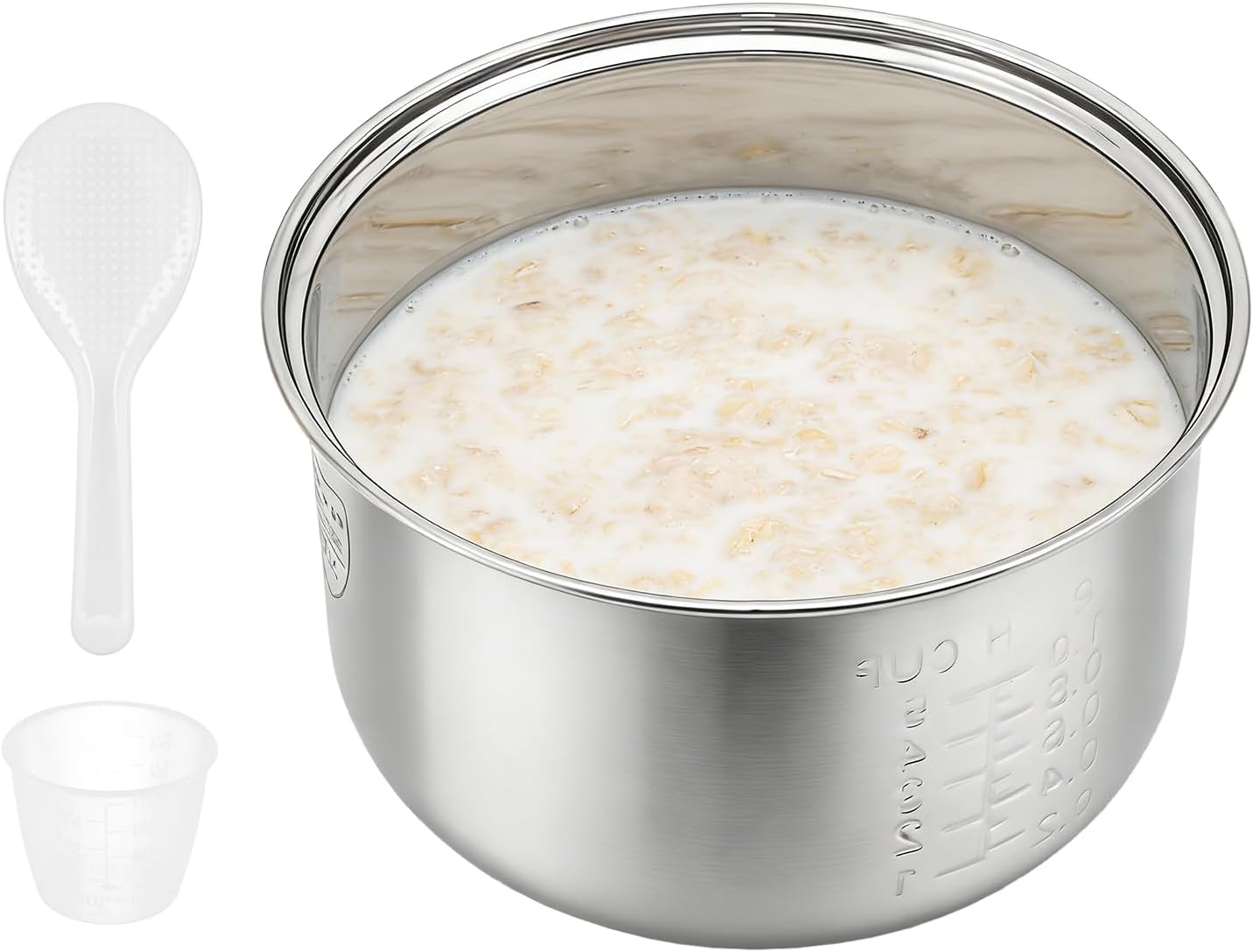
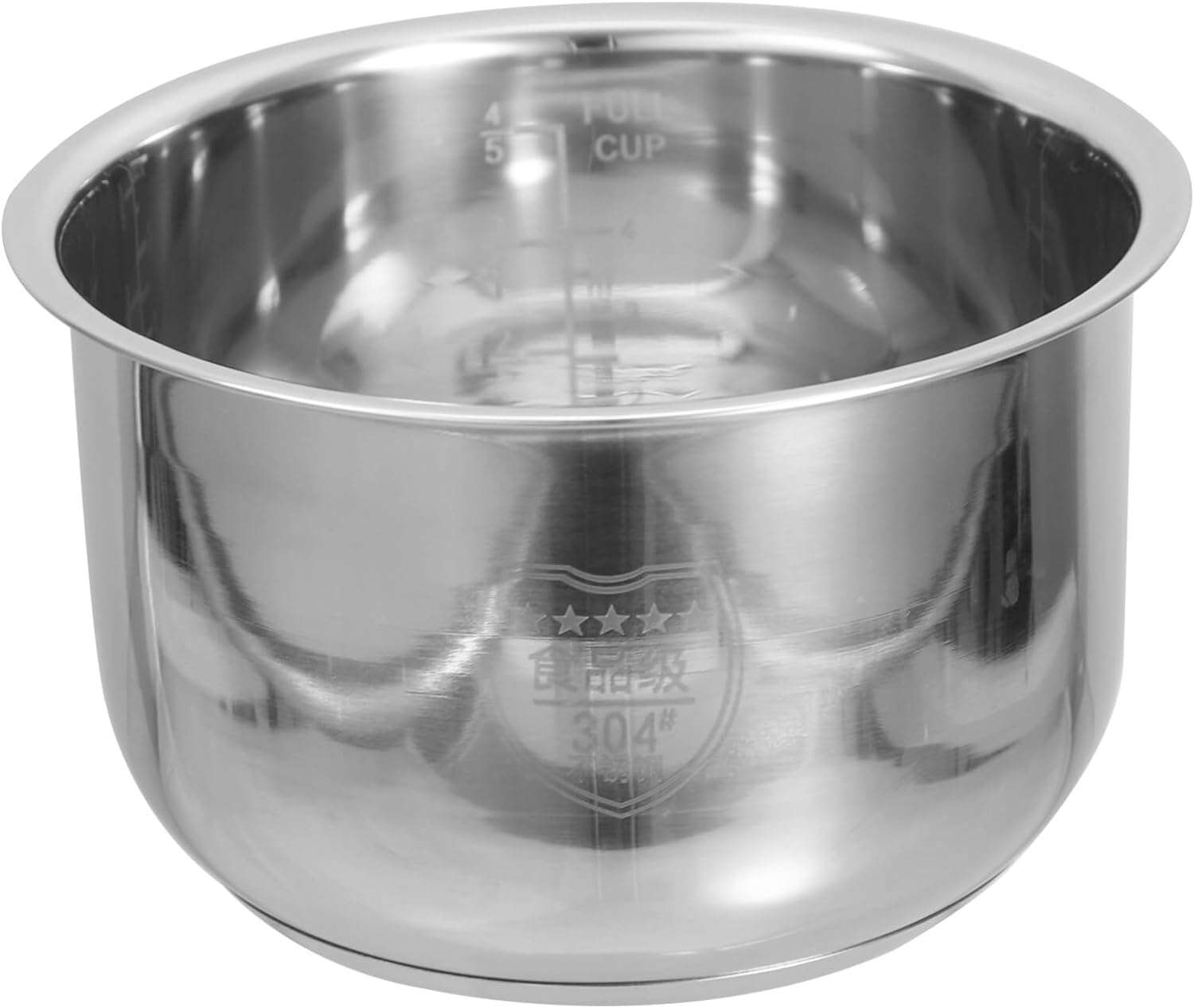
Yardwe Rice Cooker Inner Pot, Stainless Steel Inner Cooking Pot Non-Stick Rice Cooker Pot for Home Kitchen 2L
Find the right Inner Pot for your kitchen.Compare capacity, settings, fit, care requirements, and the live products shown above.
Browse Rice Cooker Parts and Accessories →Unlocking the Secrets of Inner Pots: A Comprehensive Guide to Home Cooking
There’s something magical about cooking at home. The aroma of spices wafting through the air, the sound of sizzling ingredients meeting a hot pan—an experience connecting us with our food and nourishing our souls. As more people embrace this ritual, Inner Pot have become essential tools in modern kitchens.
These versatile vessels are not just for steaming rice or slow-cooking stews; they open culinary possibilities. Whether you’re a novice eager to learn or a seasoned chef looking to elevate your dishes, mastering the art of inner pot cooking can transform your kitchen game.
Join us on this journey as we unlock the secrets behind these incredible tools and discover how they can enhance your home cooking adventures!
The History and Importance of Cooking at Home
Cooking at home has deep roots in human history. It began as a necessity for survival, with families gathering around fires to prepare meals. Over time, these simple acts evolved into cherished traditions that fostered community and connection.
In various cultures, cooking at home has become synonymous with love and hospitality. Recipes passed down through generations have turned kitchens into classrooms where culinary skills are honed, and stories shared.
The modern era sees a revival of this practice as people seek authenticity in their meals. Home-cooked dishes often evoke nostalgia, reminding us of family gatherings or celebrations.
Amidst the convenience of fast food and takeout, preparing a meal from scratch is profoundly satisfying. It’s an opportunity to express creativity while ensuring healthier choices for ourselves and our loved ones. The kitchen transforms into more than just a space—memories are made, and relationships are nurtured through cooking together.
Benefits of Using Inner Pots for Cooking
Inner pots offer a world of convenience in home cooking. They can significantly reduce cooking time while preserving the flavors and nutrients of your ingredients.
These versatile vessels are often designed to distribute heat evenly, ensuring that your dishes come out perfectly cooked every time. Whether you’re preparing rice, stews, or soups, inner pots make it easier to achieve consistent results.
Moreover, many inner pots are made from non-stick materials. This means less oil is required for cooking and cleaning becomes a breeze.
Safety features such as locking mechanisms also provide peace of mind when using electric pressure cookers with inner pots.
Their compact size makes them ideal for small kitchens or those looking to save storage space without sacrificing functionality.
Types of Inner Pots and Their Uses
Inner pots come in various types, each designed for specific cooking methods.
Stainless steel inner pots are popular due to their durability and non-reactive nature. They heat evenly, making them ideal for sautéing and simmering dishes.
Ceramic inner pots excel at slow cooking. Their ability to retain moisture ensures that stews and soups develop rich flavors over time.
Non-stick inner pots offer convenience when it comes to clean-up. They are perfect for those who want quick meals like rice or oatmeal without worrying about sticking.
For pressure cooking enthusiasts, aluminum inner pots provide rapid heating while remaining lightweight—a great choice when you’re on the go.
Glass inner pots allow you to monitor your food as it cooks. This transparency is beneficial for baking, where visual cues matter most.
Each type of inner pot can enhance your home cooking experience, depending on what you’re preparing!
Essential Tools and Accessories for Inner Pot Cooking
When diving into inner pot cooking, having the right tools can make all the difference. A sturdy spatula is essential for stirring and serving your dishes without damaging the pot’s surface.
Take notice of a good set of measuring cups and spoons. Precision in your ingredients ensures consistent results every time you cook.
A steam rack or trivet is another game-changer. It allows you to elevate foods above liquids, maximizing flavor while keeping everything tender.
Investing in quality kitchen mitts is crucial, too. Inner pots can get hot quickly, so protecting your hands from burns adds extra safety during meal prep.
Consider a food thermometer for perfect doneness. This tool eliminates uncertainty when cooking meats or baked goods in your inner pots—no more guessing!
Recipes for Beginners to Try with an Inner Pot
Getting started with an inner pot can be a delightful adventure. One of the most straightforward recipes to try is a classic vegetable soup. Just chop your favorite veggies, add broth, and let it simmer until tender.
Another fantastic option is rice. Combine equal parts rice and water in the inner pot, sprinkle with salt, and cook until fluffy—this staple pairs beautifully with countless dishes.
Don’t remember stews! Layer meat, spices, and vegetables in the pot for a hearty meal. The flavors meld together wonderfully as they cook low and slow.
For dessert lovers, consider making oatmeal or porridge. Add rolled oats, milk, or water; top with fruits and nuts for extra flavor.
Each recipe invites creativity while keeping things simple for beginners eager to explore cooking using an inner pot at home.
Advanced Techniques for Experienced Cooks
For those who have mastered the basics, advanced techniques with an inner pot can elevate your culinary skills. One effective method is sous-vide cooking, which uses precise temperature control to ensure perfect texture and flavor.
Another technique involves layering ingredients strategically to enhance flavor extraction. Start with aromatics at the bottom, followed by proteins and vegetables on top. This allows for even cooking while preventing overcooking of delicate items.
Pressure cooking is also a game-changer. It reduces cooking time significantly while retaining nutrients and moisture. Experimenting with different liquids—like broth or wine—can add depth to your dishes.
Don’t shy away from experimenting with homemade sauces or marinades in your inner pot during cooking. These flavorful additions can transform simple meals into gourmet experiences without extra effort.
How to Troubleshoot Common Issues with Inner Pots
Cooking with an inner pot can be a delightful experience, but like any kitchen tool, it may have challenges. Understanding how to troubleshoot these issues will ensure you can consistently create delicious meals.
One common problem is uneven cooking. If your food isn’t cooking evenly, check the heat distribution in your appliance. Make sure the inner pot sits appropriately and isn’t warped or damaged. Sometimes, stirring halfway through can help distribute heat more evenly.
If your food sticks to the sides of the inner pot, a little oil goes a long way. Greasing the pot before adding ingredients can prevent this issue. For stubborn residues after cooking, let the pot soak in warm, soapy water for a bit before scrubbing gently with a non-abrasive sponge.
Another frequent concern is burning food in high-pressure settings. Monitoring liquid levels is essential; insufficient liquid leads to burns quickly because steam will only build up effectively with enough moisture.
Don’t remember to seal problems when using pressure cookers equipped with an inner pot feature! Ensure all seals are clean and intact for optimal performance; even tiny bits of food debris can interfere significantly.
If you’re experiencing error codes or malfunctions from your appliance while using an inner pot, refer to your user manual first! Each brand might handle troubleshooting differently, and knowing specifics could save time and hassle.
With these tips, you’re ready to navigate potential pitfalls confidently as you explore new culinary adventures using this versatile tool.