




PRODUCT TAG COLLECTION
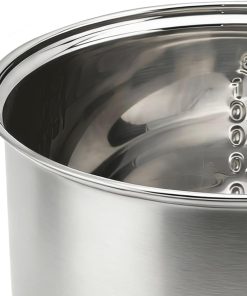
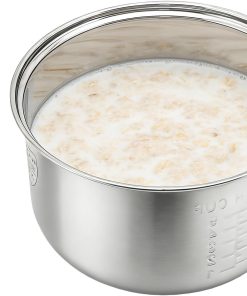
Rice Cooker Inner Pot Replacement Stainless Steel
Upgrade Your Rice Cooker: The Benefits of Switching to a Stainless Steel Inner Pot If so, you're not alone. Many home cooks struggle with the constant peeling and chipping of the non-stick coating, not…
Compare productsReview useful featuresChoose with confidence


Rice Cooker Parts and Accessories
Rice Cooker Parts and Accessories

Rice Cooker Parts and Accessories
How to Choose Rice Cooker Inner Pot Replacement Stainless Steel That Fits
This collection currently includes 5 matching products. Compare capacity, cooking functions, controls, materials, cleaning requirements, price, and availability to narrow the options for your kitchen.

✓
CompatibilityMatch the cooker model and intended use
✓
Correct FitCheck dimensions, shape and connection points
✓
Material & CareReview construction and cleaning guidance
✓
Useful Add-onsCompare the available accessory options
What to Confirm Before Ordering
- Compatibility: Confirm the accessory is intended for the exact cooker model whenever possible.
- Dimensions and fit: Check size, shape, connection points, and other fit details before ordering.
- Material and care: Review the construction material and cleaning or maintenance guidance.
- Intended purpose: Make sure the item solves the replacement, cooking, steaming, or serving need you have.
For broader buying help, use the Rice Cooker Parts & Accessories Guide. You can also browse the Rice Cooker Parts and Accessories category to compare related options.
Rice Cooker Inner Pot Replacement Stainless Steel Fit & Compatibility Questions
How many products are currently in this collection?
This Product Tag currently contains 5 live products. Availability can change as the catalog is updated.
What should I compare before choosing?
Start with capacity or fit, then compare the functions, controls, materials, cleaning requirements, and specifications that matter for your intended use.
Where can I check complete product details?
Open the individual product listing for the full specifications, current price, availability, images, and model-specific information before buying.
Detailed Rice Cooker Inner Pot Replacement Stainless Steel GuideRead detailed tag content
Upgrade Your Rice Cooker: The Benefits of Switching to a Stainless Steel Inner Pot
If so, you're not alone. Many home cooks struggle with the constant peeling and chipping of the non-stick coating, not to mention the potential health concerns associated with using these pots. But fear not because there is a solution that will improve your cooking experience and offer numerous health benefits - switching to a Rice Cooker Inner Pot Replacement Stainless Steel. In this ultimate guide, we'll explore why upgrading your rice cooker to one with a stainless steel inner pot is worth considering. Many home cooks experience frustration when their beloved appliance shows wear and tear.
Scratches and peeling coatings can lead to more than just an unsightly appearance; they can also affect the quality of your meals. But what if there was a simple upgrade that could enhance both the performance of your rice cooker and the healthiness of your cooking? Enter stainless steel inner pots—a game-changer in kitchen appliances that promises durability, efficiency, and peace of mind for every meal prepper. Let's dive into why switching to a stainless steel rice cooker inner pot replacement is worth considering!
The Drawbacks of Non-Stick Coated Inner Pots
Non-stick-coated inner pots are a convenient choice at first. They promise easy food release and quick cleanup, making them popular among busy cooks. However, these coatings often come with hidden drawbacks.
One major issue is the potential for scratching. Plastic utensils can leave marks that compromise the coating's integrity over time. Once scratched, food may stick more easily, turning your cooking experience into a nightmare.
Additionally, many non-stick coatings contain chemicals that can leach into your food when heated. This raises concerns about long-term health effects and safety in meal preparation.
Durability is another concern; non-stick pots generally have a shorter lifespan than their stainless steel counterparts. Frequent replacements add to kitchen expenses and contribute to more waste—something we should all be mindful of today.
The Advantages of Stainless Steel Inner Pots
Stainless steel inner pots offer durability that surpass traditional non-stick options. They resist scratches and dents, ensuring your rice cooker remains pristine.
Heat distribution is another significant advantage. Stainless steel provides even cooking, which means perfectly fluffy rice every time without the risk of hot spots or burning. This feature enhances overall meal quality.
Cleaning becomes a breeze as well. Unlike non-stick surfaces, stainless steel can handle scrubbing without worrying about damaging a coating. Soak it and wipe off any residue.
Additionally, stainless steel does not retain odors or flavors from previous meals. You can prepare different dishes back-to-back with the confidence that each one will taste fresh and delicious.
With these benefits combined, upgrading to a stainless steel inner pot transforms your cooking experience while promoting longevity for your kitchen appliance.
Health Benefits of Using Stainless Steel
The materials we use in our kitchens play a crucial role in health. Stainless steel is recognized for its non-reactive nature. Unlike certain coatings that can leach chemicals into food, stainless steel keeps your meals pure and safe.
This material does not harbor bacteria or other pathogens, making it one of the most hygienic options. It's easy to clean and resistant to stains, ensuring your rice cooker remains free from unwanted residues.
Moreover, stainless steel is durable and won't chip or scratch easily. This means you can enjoy healthy cooking without worrying about harmful particles entering your food from damaged surfaces.
Switching to a stainless steel inner pot for your rice cooker offers peace of mind alongside delicious results. With its impressive combination of safety and durability, it's clear why so many people are upgrading today.
Choosing a rice cooker inner pot replacement stainless steel isn't just an investment in better cooking; it's also an investment in your health.
Guides for Parts & Fit
Rice Cooker Parts & Accessories Guide›Rice Cooker Inner Pot Compatibility Guide›Rice Cooker Maintenance & Troubleshooting›Matching Products

Mobestech Rice Cooker Liner Rice Cooker Supplies Power Cooker Parts Soup Pot Japanese Accessories Stainless Steel Steamer Pot Stainless Steel Cooking Utensils House Cooker Inner Pot Moment
Rice Cooker 10 Cup Inner Pot Compatible with Tiger JBV-A18U,Non-Stick 304 Stainless Steel,Rice Cooker Rplacement Pot,Dishwasher Safe
Find the right Rice Cooker Inner Pot Replacement Stainless Steel for your kitchen.Compare capacity, settings, fit, care requirements, and the live products shown above.
Browse Rice Cooker Parts and Accessories →Upgrade Your Rice Cooker: The Benefits of Switching to a Stainless Steel Inner Pot
If so, you’re not alone. Many home cooks struggle with the constant peeling and chipping of the non-stick coating, not to mention the potential health concerns associated with using these pots. But fear not because there is a solution that will improve your cooking experience and offer numerous health benefits – switching to a Rice Cooker Inner Pot Replacement Stainless Steel. In this ultimate guide, we’ll explore why upgrading your rice cooker to one with a stainless steel inner pot is worth considering. Many home cooks experience frustration when their beloved appliance shows wear and tear.
Scratches and peeling coatings can lead to more than just an unsightly appearance; they can also affect the quality of your meals. But what if there was a simple upgrade that could enhance both the performance of your rice cooker and the healthiness of your cooking? Enter stainless steel inner pots—a game-changer in kitchen appliances that promises durability, efficiency, and peace of mind for every meal prepper. Let’s dive into why switching to a stainless steel rice cooker inner pot replacement is worth considering!
The Drawbacks of Non-Stick Coated Inner Pots
Non-stick-coated inner pots are a convenient choice at first. They promise easy food release and quick cleanup, making them popular among busy cooks. However, these coatings often come with hidden drawbacks.
One major issue is the potential for scratching. Plastic utensils can leave marks that compromise the coating’s integrity over time. Once scratched, food may stick more easily, turning your cooking experience into a nightmare.
Additionally, many non-stick coatings contain chemicals that can leach into your food when heated. This raises concerns about long-term health effects and safety in meal preparation.
Durability is another concern; non-stick pots generally have a shorter lifespan than their stainless steel counterparts. Frequent replacements add to kitchen expenses and contribute to more waste—something we should all be mindful of today.
The Advantages of Stainless Steel Inner Pots
Stainless steel inner pots offer durability that surpass traditional non-stick options. They resist scratches and dents, ensuring your rice cooker remains pristine.
Heat distribution is another significant advantage. Stainless steel provides even cooking, which means perfectly fluffy rice every time without the risk of hot spots or burning. This feature enhances overall meal quality.
Cleaning becomes a breeze as well. Unlike non-stick surfaces, stainless steel can handle scrubbing without worrying about damaging a coating. Soak it and wipe off any residue.
Additionally, stainless steel does not retain odors or flavors from previous meals. You can prepare different dishes back-to-back with the confidence that each one will taste fresh and delicious.
With these benefits combined, upgrading to a stainless steel inner pot transforms your cooking experience while promoting longevity for your kitchen appliance.
Health Benefits of Using Stainless Steel
The materials we use in our kitchens play a crucial role in health. Stainless steel is recognized for its non-reactive nature. Unlike certain coatings that can leach chemicals into food, stainless steel keeps your meals pure and safe.
This material does not harbor bacteria or other pathogens, making it one of the most hygienic options. It’s easy to clean and resistant to stains, ensuring your rice cooker remains free from unwanted residues.
Moreover, stainless steel is durable and won’t chip or scratch easily. This means you can enjoy healthy cooking without worrying about harmful particles entering your food from damaged surfaces.
Switching to a stainless steel inner pot for your rice cooker offers peace of mind alongside delicious results. With its impressive combination of safety and durability, it’s clear why so many people are upgrading today.
Choosing a rice cooker inner pot replacement stainless steel isn’t just an investment in better cooking; it’s also an investment in your health.