


PRODUCT TAG COLLECTION
Rice Cooker Mesh
The Ultimate Guide to Choosing and Caring for Your Rice Cooker Mesh: Tips and Insights Rice cookers have become a staple in many kitchens, transforming how we prepare one of the most beloved staples:…
Compare productsReview useful featuresChoose with confidence

Rice Cooker Mesh: Fit and Compatibility Basics
This collection currently includes 2 matching products. Compare capacity, cooking functions, controls, materials, cleaning requirements, price, and availability to narrow the options for your kitchen.
✓
CompatibilityMatch the cooker model and intended use
✓
Correct FitCheck dimensions, shape and connection points
✓
Material & CareReview construction and cleaning guidance
✓
Useful Add-onsCompare the available accessory options
Fit Details to Verify
- Compatibility: Confirm the accessory is intended for the exact cooker model whenever possible.
- Dimensions and fit: Check size, shape, connection points, and other fit details before ordering.
- Material and care: Review the construction material and cleaning or maintenance guidance.
- Intended purpose: Make sure the item solves the replacement, cooking, steaming, or serving need you have.
For broader buying help, use the Rice Cooker Parts & Accessories Guide. You can also browse the Rice Cooker Parts and Accessories category to compare related options.
Questions Before Buying Rice Cooker Mesh
How many products are currently in this collection?
This Product Tag currently contains 2 live products. Availability can change as the catalog is updated.
What should I compare before choosing?
Start with capacity or fit, then compare the functions, controls, materials, cleaning requirements, and specifications that matter for your intended use.
Where can I check complete product details?
Open the individual product listing for the full specifications, current price, availability, images, and model-specific information before buying.
Detailed Rice Cooker Mesh GuideRead detailed tag content
The Ultimate Guide to Choosing and Caring for Your Rice Cooker Mesh: Tips and Insights
Rice cookers have become a staple in many kitchens, transforming how we prepare one of the most beloved staples: rice. But did you know that one key component can make or break your rice cooking experience? That's right, we're talking about the rice cooker mesh. This often overlooked part is crucial in ensuring perfectly cooked rice every time. In this ultimate guide, we'll dive into everything you need to know about choosing and caring for your rice cooker mesh so you can elevate your rice cooking game to the next level. From tips on selecting the correct mesh for your needs to essential maintenance and cleaning techniques, get ready to become a cooker mesh expert! That's right! We're talking about the cooker mesh. This often-overlooked accessory is vital in achieving perfectly cooked grains every time.
Whether you're a novice home cook or an expert chef, understanding the different types of cooker mesh and how to care for them is essential. It can mean the difference between fluffy basmati and a sticky mess. Don't fret; we've covered you with all the tips and insights you need to enhance your cooking game. Let's dive into this ultimate guide on choosing and caring for your cooker mesh!
Types of Rice Cooker Mesh and Their Functions
Rice cooker mesh comes in various types, each designed for specific cooking needs.
The most common type is the standard mesh, which allows steam to circulate freely while keeping rice from falling through. This design ensures even cooking and prevents clumping.
Another option is the fine mesh. This type is ideal for small grains like quinoa or couscous, which feature smaller holes that prevent tiny particles from escaping. If you love experimenting with different grain textures, this one's for you.
Specialized meshes are also available for steaming vegetables or fish. These typically have larger openings to facilitate optimal steam flow while ensuring food remains intact.
Some high-end models offer non-stick-coated meshes that reduce residue build-up and make cleaning a breeze. Choosing the right type can elevate your rice—and other dishes—making every meal an exciting culinary adventure!
Tips for Proper Care and Maintenance of Your Rice Cooker Mesh
Taking care of your rice cooker mesh is essential for optimal performance. Start by cleaning it after each use. Rinse the mesh with warm water to remove any rice starch or residue.
Avoid using abrasive cleaners or scrubbers. These can scratch the surface and affect its effectiveness.
Dry the mesh thoroughly before storing it. Moisture can lead to mold growth, which you want to avoid.
Store your rice cooker mesh in a cool, dry place that won't get damaged. Please keep it in a dedicated container to prevent accidental bends or breaks.
Check for signs of wear and tear regularly. A frayed edge may perform poorly when cooking rice evenly.
By implementing these simple practices, you'll significantly extend the life of your rice cooker mesh while ensuring delicious results every time you cook!
Alternatives to Traditional Rice Cooker Mesh
If you're looking for alternatives to traditional rice cooker mesh, there are several options worth considering. Many home cooks find silicone steamers beneficial. These versatile tools can fit into various pots and steamer baskets. They provide excellent heat retention and even cooking without the risk of rust or corrosion.
Another option is using bamboo steamer baskets. These natural products allow steam to circulate freely while imparting a subtle flavor to your food. Bamboo is also environmentally friendly, making it an appealing choice for eco-conscious consumers.
Those who prefer modern solutions should consider investing in a multi-cooker with integrated steaming functions. Many brands offer machines with built-in mesh or perforated sections explicitly designed for simultaneously steaming rice and other foods.
Stainless steel inserts can also be used in many rice cookers. They are durable and easy to clean while providing a non-stick surface ideal for cooking grains effectively.
Choosing the suitable alternative depends on your cooking style and preferences; experimenting with these options could lead you to discover new techniques that elevate your meals beyond simply preparing rice!
Compatibility & Buying Guides
Rice Cooker Parts & Accessories Guide›Rice Cooker Inner Pot Compatibility Guide›Rice Cooker Maintenance & Troubleshooting›Featured Accessories

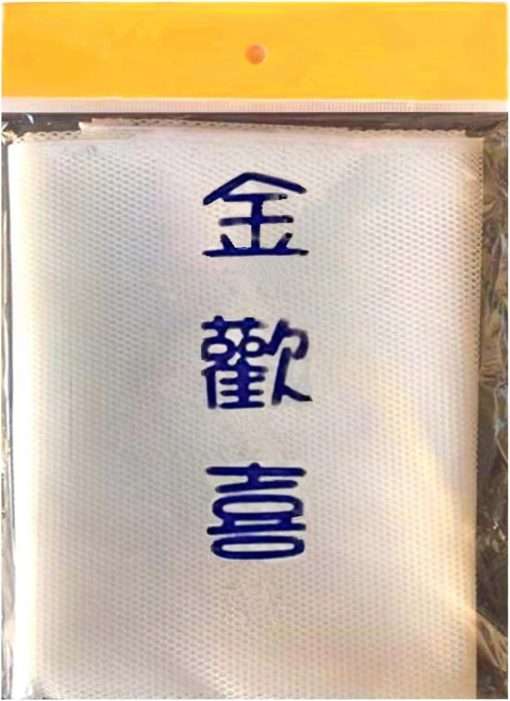
金歡喜 Sushi Rice Cooking Net Commercial Rice Cooker Net Napkin Polyester Reusable, Bag shaped, Bottom: 15.6″ dia., Height: 13″, 1 pcs per case
Find the right Rice Cooker Mesh for your kitchen.Compare capacity, settings, fit, care requirements, and the live products shown above.
Browse Rice Cooker Parts and Accessories →The Ultimate Guide to Choosing and Caring for Your Rice Cooker Mesh: Tips and Insights
Rice cookers have become a staple in many kitchens, transforming how we prepare one of the most beloved staples: rice. But did you know that one key component can make or break your rice cooking experience? That’s right, we’re talking about the rice cooker mesh. This often overlooked part is crucial in ensuring perfectly cooked rice every time. In this ultimate guide, we’ll dive into everything you need to know about choosing and caring for your rice cooker mesh so you can elevate your rice cooking game to the next level. From tips on selecting the correct mesh for your needs to essential maintenance and cleaning techniques, get ready to become a cooker mesh expert! That’s right! We’re talking about the cooker mesh. This often-overlooked accessory is vital in achieving perfectly cooked grains every time.
Whether you’re a novice home cook or an expert chef, understanding the different types of cooker mesh and how to care for them is essential. It can mean the difference between fluffy basmati and a sticky mess. Don’t fret; we’ve covered you with all the tips and insights you need to enhance your cooking game. Let’s dive into this ultimate guide on choosing and caring for your cooker mesh!
Types of Rice Cooker Mesh and Their Functions
Rice cooker mesh comes in various types, each designed for specific cooking needs.
The most common type is the standard mesh, which allows steam to circulate freely while keeping rice from falling through. This design ensures even cooking and prevents clumping.
Another option is the fine mesh. This type is ideal for small grains like quinoa or couscous, which feature smaller holes that prevent tiny particles from escaping. If you love experimenting with different grain textures, this one’s for you.
Specialized meshes are also available for steaming vegetables or fish. These typically have larger openings to facilitate optimal steam flow while ensuring food remains intact.
Some high-end models offer non-stick-coated meshes that reduce residue build-up and make cleaning a breeze. Choosing the right type can elevate your rice—and other dishes—making every meal an exciting culinary adventure!
Tips for Proper Care and Maintenance of Your Rice Cooker Mesh
Taking care of your rice cooker mesh is essential for optimal performance. Start by cleaning it after each use. Rinse the mesh with warm water to remove any rice starch or residue.
Avoid using abrasive cleaners or scrubbers. These can scratch the surface and affect its effectiveness.
Dry the mesh thoroughly before storing it. Moisture can lead to mold growth, which you want to avoid.
Store your rice cooker mesh in a cool, dry place that won’t get damaged. Please keep it in a dedicated container to prevent accidental bends or breaks.
Check for signs of wear and tear regularly. A frayed edge may perform poorly when cooking rice evenly.
By implementing these simple practices, you’ll significantly extend the life of your rice cooker mesh while ensuring delicious results every time you cook!
Alternatives to Traditional Rice Cooker Mesh
If you’re looking for alternatives to traditional rice cooker mesh, there are several options worth considering. Many home cooks find silicone steamers beneficial. These versatile tools can fit into various pots and steamer baskets. They provide excellent heat retention and even cooking without the risk of rust or corrosion.
Another option is using bamboo steamer baskets. These natural products allow steam to circulate freely while imparting a subtle flavor to your food. Bamboo is also environmentally friendly, making it an appealing choice for eco-conscious consumers.
Those who prefer modern solutions should consider investing in a multi-cooker with integrated steaming functions. Many brands offer machines with built-in mesh or perforated sections explicitly designed for simultaneously steaming rice and other foods.
Stainless steel inserts can also be used in many rice cookers. They are durable and easy to clean while providing a non-stick surface ideal for cooking grains effectively.
Choosing the suitable alternative depends on your cooking style and preferences; experimenting with these options could lead you to discover new techniques that elevate your meals beyond simply preparing rice!