
Rice & Grain Cooking Guide: Match Cooker Settings To The Grain
Different grains ask for different combinations of heat, water, soaking, and holding time. This guide brings white rice, jasmine, basmati, sushi rice, brown rice, quinoa, oatmeal, and porridge into one practical framework so cooker settings can be chosen around the grain instead of a generic preset.
For the next level of detail, continue with rice cookers for basmati rice.
This rice cooker grain guide is tied to functions already represented in the catalog, including models that list quinoa, GABA or brown-rice programs as well as cookers built for oatmeal and other grains. The model manual still decides the exact preset, fill line and water guidance.
Watch rinsing, soaking and grain separation.
Texture and seasoning goals shape the method.
Longer cycles and different hydration are common.
Expansion and foaming change safe batch limits.
Move From The Broad Choice To The Exact Model
Understand the system first.
Compare the practical tradeoff.
Finish with model-specific checks.
White Rice, Jasmine Rice And Basmati Rice
Treat Long-Grain And Aromatic Rice As Related But Not Identical
White-rice presets are a useful starting point for many everyday grains, but jasmine and basmati can respond differently to rinsing, soaking, and water quantity. Fragrant long-grain rice is often judged by separation and aroma, while some households prefer a softer result.
For the next relevant route, browse rice cookers for everyday grains.
Use the cooker manual and inner-pot markings first. When a model offers dedicated jasmine or long-grain programs, use those instructions rather than importing a ratio from another cooker. Small adjustments should be made one variable at a time so the cause of a texture change is clear.
White rice, jasmine, and basmati can share a white-rice program, yet their preparation is not identical. Jasmine often needs careful water control to avoid an overly soft finish, while basmati may be rinsed or soaked for a more separated grain. Keep the cooker mode constant while adjusting preparation so the effect of each change is easy to judge.
A deeper reference for this point is rice cooker water ratio chart.
Sushi Rice And Sticky Rice
Texture Goals Matter As Much As Grain Type
Sushi rice is usually cooked for a cohesive texture that can accept seasoning without turning mushy. Sticky-rice traditions can involve different grains and preparation methods, so a generic white-rice setting should not be assumed to cover every style.
Cookers with sushi, glutinous, or specialty programs can simplify repeat results, but the grain package and appliance instructions remain the best reference for washing, soaking, and fill limits.
Sushi rice is usually cooked for a cohesive texture that can accept seasoning after cooking. Sticky-rice traditions may use different grains and techniques, so a generic sushi preset is not a universal answer. If the cooker provides a sushi program, use its water line and timing as the baseline, then adjust only after the finished texture is evaluated.
For the next relevant route, return to the main rice cooker buying guide.
Brown Rice And Quinoa
Whole Grains Often Need Different Time And Water Handling
Brown rice retains the bran layer and commonly needs a longer cooking cycle than polished white rice. Quinoa is a seed rather than rice, but many multi-function cookers include grain programs that can handle it when the manufacturer allows that use.
Use a brown-rice or grain preset when the cooker provides one. Avoid filling beyond the stated limit because whole grains and foamy grains can behave differently during cooking. For quinoa, follow the cooker or grain package guidance and rinse when recommended.
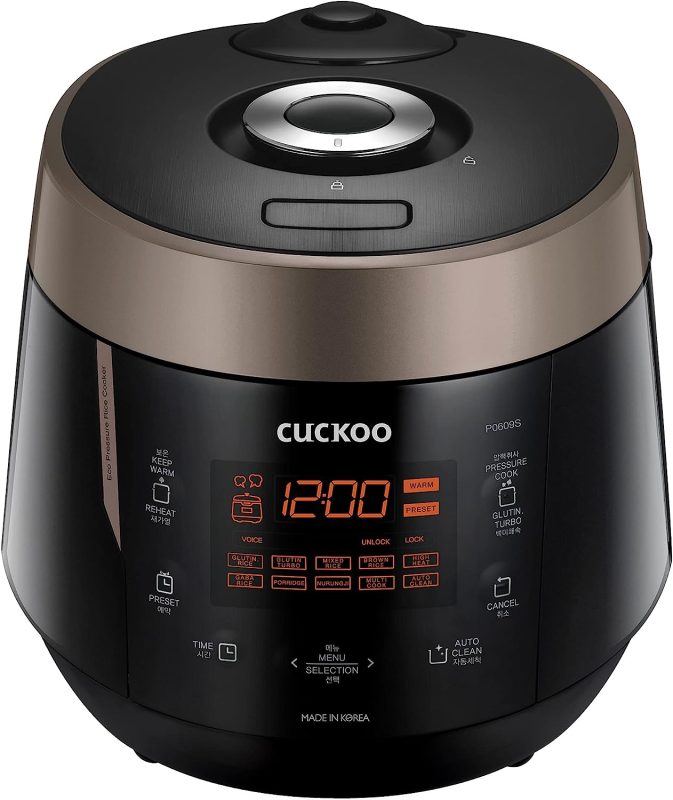
Whole grains deserve more time and a separate baseline. Brown rice retains the bran layer, and quinoa behaves differently from rice even when a cooker includes both in its grain menu. CUCKOO CRP-P0609S | 6-Cup (Uncooked) Pressure Rice Cooker | 12 Menu Options: Quinoa, Nu Rung Ji, GABA/Brown Rice & More, Made in Korea | Black/Copper lists quinoa and GABA/brown-rice programs, a useful example of why the selected preset should follow the grain rather than convenience.
Oatmeal And Porridge
Expansion And Foaming Make Capacity Especially Important
Oatmeal and porridge programs operate differently from a normal rice cycle on many multi-function cookers. The mixture can foam or expand, so the maximum safe fill may be lower than the rice capacity printed on the box.
For more detail on this topic, use rice cookers for oatmeal and porridge.
Use a dedicated porridge or oatmeal mode when available and follow the manufacturer’s maximum line. Delay-timer use should also follow the model manual, especially when recipes include ingredients that should not sit unrefrigerated for long periods.
Porridge and oatmeal need extra attention to expansion, foaming, and maximum fill. A cooker may allow a smaller porridge batch than its normal rice capacity suggests. Use the porridge line or program limit from the manual, and treat dairy, sweeteners, or other additions separately because they can change foaming and food-safety considerations.
Water And Texture Adjustments
Change One Variable At A Time
When rice finishes too firm or too soft, the first adjustment should be small and repeatable. Confirm the measuring cup, rice type, preset, and fill line before changing water. Rinsing and soaking can also alter the final texture, so changing several variables at once makes troubleshooting harder.
Keep notes for frequently cooked grains. A household-specific record of cup measure, preset, rinse method, and preferred texture is more useful than a universal ratio that ignores the cooker.
When texture is off, change one variable at a time: rinse method, soak time, water amount, or selected preset. Changing several at once makes it impossible to know what improved the batch. A short note on cup measure, grain, water line, and result can turn a frustrating recipe into a repeatable household method after only a few trials.
Keep-Warm Considerations For Different Grains
Keep-Warm Is A Holding Function, Not A Universal Storage Solution
White rice often tolerates keep-warm better than some whole grains, mixed grains, or porridge. Long holding can dry the surface, change aroma, or make the bottom firmer depending on the cooker and batch size.
Use the manufacturer’s guidance for maximum keep-warm time and for foods other than plain rice. When rice will not be served within the recommended holding window, cool and store it using appropriate food-safety practices.
Keep-warm performance varies by grain and batch size. White rice may tolerate holding better than quinoa, oatmeal, or some whole-grain mixtures, which can dry, thicken, or firm over time. Use keep-warm for the serving window recommended by the manufacturer; for longer storage, cool and refrigerate food using appropriate food-safety practices.
Keep the measuring cup, grain type, preset, rinsing method, and texture preference consistent enough to learn what your cooker does. Change one variable at a time when adjusting results.