



PRODUCT TAG COLLECTION
Electric Cooker Commercial
Revolutionizing Kitchens: The Rise of Electric Cookers in the Culinary Commercial Space The culinary world is transforming how chefs create magic in the kitchen. Electric cookers are stepping into the spotlight, capturing attention for…
Compare productsReview useful featuresChoose with confidence

What to Know About Electric Cooker Commercial
This collection currently includes 5 matching products. Compare capacity, cooking functions, controls, materials, cleaning requirements, price, and availability to narrow the options for your kitchen.

✓
Capacity & FitMatch size and capacity to your usual meals
✓
Cooking ResultsCompare programs, heat control and keep-warm options
✓
Easy to UseLook for practical controls and simple everyday operation
✓
Multiple UsesCompare the cooking functions offered across models
What to Review Before Choosing
- Capacity and fit: Compare stated capacity, appliance dimensions, and the amount of food you normally prepare.
- Cooking programs: Look for the rice, grain, pressure, steaming, or multi-cook settings you will actually use.
- Controls and materials: Review the control panel, inner-pot construction, lid design, and model-specific features.
- Cleaning and care: Check removable parts, washing guidance, keep-warm behavior, and everyday maintenance.
For broader buying help, use the Rice Cooker Buying Guide for Home Meals. You can also browse the Rice Cookers category to compare related options.
Questions About Electric Cooker Commercial
How many products are currently in this collection?
This Product Tag currently contains 5 live products. Availability can change as the catalog is updated.
What should I compare before choosing?
Start with capacity or fit, then compare the functions, controls, materials, cleaning requirements, and specifications that matter for your intended use.
Where can I check complete product details?
Open the individual product listing for the full specifications, current price, availability, images, and model-specific information before buying.
Detailed Electric Cooker Commercial GuideRead detailed tag content
Revolutionizing Kitchens: The Rise of Electric Cookers in the Culinary Commercial Space
The culinary world is transforming how chefs create magic in the kitchen. Electric cookers are stepping into the spotlight, capturing attention for their efficiency and versatility. Gone are the days when gas stoves dominated commercial kitchens. Today, electric cooker commercial options are leading the charge toward a more modern cooking landscape.
These innovative appliances promise precision and offer flexibility to meet diverse culinary needs. As restaurants and catering services seek ways to optimize their operations, electric cookers stand out as game-changers. From bustling restaurants to large-scale banquet halls, these tools cater to every chef's ambichef'shile elevating meal preparation standards.
Join us as we explore why electric cookers have become an essential fixture in commercial kitchens and what makes them so appealing for today's professionals.
The Emergence of Electric Cookers in Commercial Kitchens
The emergence of electric cookers in commercial kitchens marks a significant shift in culinary practices. Chefs are increasingly recognizing the advantages these appliances bring to high-demand environments Electric Cooker Commercial.
Once regarded as an alternative, electric cookers have become essential tools for efficiency and performance. They offer fast heating times and consistent temperature control, making them ideal for precise cooking techniques.
Restaurants are embracing this technology not just for speed but also for safety. With no open flames, there's a risk of kitchen fires, which is a critical consideration when managing busy spaces.
Moreover, sustainability is becoming more critical in today's footoday'stry. Electric cookers can significantly lower energy consumption compared to traditional gas units, aligning with eco-friendly initiatives that many establishments prioritize.
As chefs seek reliable solutions to elevate their craft, electric cookers continue gaining traction across various culinary settings—from upscale dining experiences to food trucks serving gourmet dishes on the go.
Advantages of Using Electric Cookers
Electric cookers offer precision that gas stoves can't match can't the ability to control temperatures with accuracy ensures consistent cooking results, which is crucial in a commercial kitchen setting.
Safety is another significant advantage. Without an open flame, the risk of fire hazards decreases dramatically. This makes electric cookers safer for busy kitchens where accidents can happen.
Energy efficiency plays a vital role, too. Electric cookers typically consume less energy than their gas counterparts, which translates into lower utility bills over time and a smaller carbon footprint.
Furthermore, they require minimal ventilation compared to gas stoves. This opens up more design possibilities for kitchen layouts and reduces costs associated with extensive ductwork.
Electric cookers are also noteworthy for their ease of cleaning. With fewer nooks and crannies than traditional options, maintenance becomes simpler, saving valuable time during peak restaurant hours.
Key Features and Functions of Electric Cookers
Electric cookers are designed with precision in mind. One standout feature is their precise temperature control. This allows chefs to achieve the heat for various cooking techniques, from simmering sauces to searing meats.
Another innovative function is rapid heating capabilities. Electric cookers can often reach high temperatures faster than traditional gas stoves, which boosts kitchen efficiency during busy service hours.
Many models also incorporate programmable settings. These features simplify meal preparation by allowing users to set timers and adjust cooking modes without constant supervision.
Safety mechanisms are also integral. With automatic shut-off options and cool-to-the-touch surfaces, electric cookers offer peace of mind in bustling kitchens.
Many electric cookers come equipped with induction technology. This improves energy efficiency and ensures even cooking by distributing heat uniformly across the cookware's impact on the Culinary Industry.
The introduction of electric cookers in commercial kitchens has transformed the culinary landscape. Chefs are now embracing a new era of cooking that emphasizes precision and efficiency.
Electric cookers provide consistent heat, allowing better control over cooking times and temperatures. This consistency is crucial when preparing dishes with delicate flavors or complex techniques.
Moreover, kitchen safety has improved significantly. The risk associated with gas leaks is eliminated, providing a more secure environment for culinary professionals.
Sustainability also plays a pivotal role in this shift. Electric cookers often consume less energy than traditional gas stoves, contributing to lower carbon footprints for restaurants striving for eco-friendliness.
As kitchens evolve into tech-savvy environments, integrating innovative features within electric cookers enhances menu innovation and creativity among chefs looking to deliver unique dining experiences.
Cost and Maintenance Comparison with Traditional Gas Stoves
Several factors come into play when evaluating the cost and maintenance of electric cooker commercial options versus traditional gas stoves.
Electric cookers generally have lower installation costs. They don't require complex venting systems, reducing initial expenses and labor time. Over time, energy efficiency also plays a crucial role. Electric models often consume less power than their gas counterparts.
Maintenance is another area where electric cookers shine. Fewer moving parts and no combustion elements make them easier to clean and maintain. This simplicity translates to reduced downtime in busy kitchens.
Gas stoves may offer more immediate heat control but can lead to higher utility bills due to fluctuating gas prices. The long-term savings associated with electric cookers make them appealing for many commercial establishments looking for reliability without breaking the bank.
Best Practices for Utilizing Electric Cookers in Commercial Kitchens
Proper training is essential to maximize the efficiency of electric cookers in commercial kitchens. Staff should be well-versed in operating these devices to ensure safety and optimal performance.
Regular maintenance checks are crucial. Cleaning the surfaces and ensuring all components function smoothly can prolong the life of electric cookers.
Utilizing programmable settings can enhance precision in cooking. Many models offer timing and temperature control options, which help achieve consistent results across different dishes.
Monitoring energy consumption is another best practice. Being mindful of usage patterns can lead to electricity cost savings while maintaining high-quality output.
Arranging your kitchen layout thoughtfully around electric cookers improves workflow. Easy access to ingredients and utensils reduces prep time, allowing chefs to focus more on creativity than logistics.
Future Trends and Innovations in Cooking Technology
Electric cookers are at the forefront of innovation as the culinary world embraces new technologies. Future trends suggest a shift towards more brilliant appliances that integrate kitchen management systems. These advancements will enable chefs to remotely monitor and control cooking processes, ensuring precision and consistency.
Sustainability is another key focus area. Innovations in energy efficiency can significantly reduce commercial kitchens' carbon footprint. Manufacturers are working on designs that utilize renewable energy sources, making electric cookers even more environmentally friendly.
Moreover, advancements in induction cooking technology promise quicker heating times and enhanced safety features. With touch controls becoming more intuitive, operators can easily adjust temperatures for various dishes without losing precious time during service.
The rise of connected devices indicates we might soon see electric cookers equipped with AI capabilities. Imagine a cooker that learns your preferences over time or suggests recipes based on available ingredients—this could revolutionize meal preparation in commercial settings.
Trends show an increasing demand for versatile equipment capable of performing multiple functions—from frying to steaming—all within one unit. This not only saves space but also enhances operational efficiency.
As these innovations unfold, it's clear its electric cooker commercial use is poised for transformative growth in the culinary landscape.
Guides for Controls & Cooking
Rice Cooker Buying Guide for Home Meals›Rice Cooker Size & Capacity Guide›Rice Cooker Types & Technology Guide›Similar Technology Options
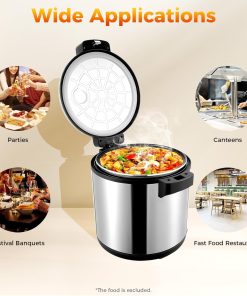
Commercial Rice Warmer & Food Warmer 19L (20Qt), Large Capacity Stainless Steel Rice Cooker Warmer with Non-Stick Pot, 2 Adjustable Temperature, Auto Keep-Warm for Restaurants, Catering, Parties

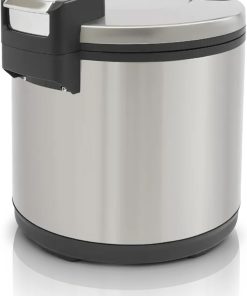
Hamilton Beach Proctor Silex Commercial 37560R Rice Cooker/Warmer, 60 Cups Cooked Rice, Non-Stick Pot, Hinged Lid, Stainless Steel Housing, 1 Year Warranty
Find the right Electric Cooker Commercial for your kitchen.Compare capacity, settings, fit, care requirements, and the live products shown above.
Browse Rice Cookers →Revolutionizing Kitchens: The Rise of Electric Cookers in the Culinary Commercial Space
The culinary world is transforming how chefs create magic in the kitchen. Electric cookers are stepping into the spotlight, capturing attention for their efficiency and versatility. Gone are the days when gas stoves dominated commercial kitchens. Today, electric cooker commercial options are leading the charge toward a more modern cooking landscape.
These innovative appliances promise precision and offer flexibility to meet diverse culinary needs. As restaurants and catering services seek ways to optimize their operations, electric cookers stand out as game-changers. From bustling restaurants to large-scale banquet halls, these tools cater to every chef’s ambichef’shile elevating meal preparation standards.
Join us as we explore why electric cookers have become an essential fixture in commercial kitchens and what makes them so appealing for today’s professionals.
The Emergence of Electric Cookers in Commercial Kitchens
The emergence of electric cookers in commercial kitchens marks a significant shift in culinary practices. Chefs are increasingly recognizing the advantages these appliances bring to high-demand environments Electric Cooker Commercial.
Once regarded as an alternative, electric cookers have become essential tools for efficiency and performance. They offer fast heating times and consistent temperature control, making them ideal for precise cooking techniques.
Restaurants are embracing this technology not just for speed but also for safety. With no open flames, there’s a risk of kitchen fires, which is a critical consideration when managing busy spaces.
Moreover, sustainability is becoming more critical in today’s footoday’stry. Electric cookers can significantly lower energy consumption compared to traditional gas units, aligning with eco-friendly initiatives that many establishments prioritize.
As chefs seek reliable solutions to elevate their craft, electric cookers continue gaining traction across various culinary settings—from upscale dining experiences to food trucks serving gourmet dishes on the go.
Advantages of Using Electric Cookers
Electric cookers offer precision that gas stoves can’t match can’t the ability to control temperatures with accuracy ensures consistent cooking results, which is crucial in a commercial kitchen setting.
Safety is another significant advantage. Without an open flame, the risk of fire hazards decreases dramatically. This makes electric cookers safer for busy kitchens where accidents can happen.
Energy efficiency plays a vital role, too. Electric cookers typically consume less energy than their gas counterparts, which translates into lower utility bills over time and a smaller carbon footprint.
Furthermore, they require minimal ventilation compared to gas stoves. This opens up more design possibilities for kitchen layouts and reduces costs associated with extensive ductwork.
Electric cookers are also noteworthy for their ease of cleaning. With fewer nooks and crannies than traditional options, maintenance becomes simpler, saving valuable time during peak restaurant hours.
Key Features and Functions of Electric Cookers
Electric cookers are designed with precision in mind. One standout feature is their precise temperature control. This allows chefs to achieve the heat for various cooking techniques, from simmering sauces to searing meats.
Another innovative function is rapid heating capabilities. Electric cookers can often reach high temperatures faster than traditional gas stoves, which boosts kitchen efficiency during busy service hours.
Many models also incorporate programmable settings. These features simplify meal preparation by allowing users to set timers and adjust cooking modes without constant supervision.
Safety mechanisms are also integral. With automatic shut-off options and cool-to-the-touch surfaces, electric cookers offer peace of mind in bustling kitchens.
Many electric cookers come equipped with induction technology. This improves energy efficiency and ensures even cooking by distributing heat uniformly across the cookware’s impact on the Culinary Industry.
The introduction of electric cookers in commercial kitchens has transformed the culinary landscape. Chefs are now embracing a new era of cooking that emphasizes precision and efficiency.
Electric cookers provide consistent heat, allowing better control over cooking times and temperatures. This consistency is crucial when preparing dishes with delicate flavors or complex techniques.
Moreover, kitchen safety has improved significantly. The risk associated with gas leaks is eliminated, providing a more secure environment for culinary professionals.
Sustainability also plays a pivotal role in this shift. Electric cookers often consume less energy than traditional gas stoves, contributing to lower carbon footprints for restaurants striving for eco-friendliness.
As kitchens evolve into tech-savvy environments, integrating innovative features within electric cookers enhances menu innovation and creativity among chefs looking to deliver unique dining experiences.
Cost and Maintenance Comparison with Traditional Gas Stoves
Several factors come into play when evaluating the cost and maintenance of electric cooker commercial options versus traditional gas stoves.
Electric cookers generally have lower installation costs. They don’t require complex venting systems, reducing initial expenses and labor time. Over time, energy efficiency also plays a crucial role. Electric models often consume less power than their gas counterparts.
Maintenance is another area where electric cookers shine. Fewer moving parts and no combustion elements make them easier to clean and maintain. This simplicity translates to reduced downtime in busy kitchens.
Gas stoves may offer more immediate heat control but can lead to higher utility bills due to fluctuating gas prices. The long-term savings associated with electric cookers make them appealing for many commercial establishments looking for reliability without breaking the bank.
Best Practices for Utilizing Electric Cookers in Commercial Kitchens
Proper training is essential to maximize the efficiency of electric cookers in commercial kitchens. Staff should be well-versed in operating these devices to ensure safety and optimal performance.
Regular maintenance checks are crucial. Cleaning the surfaces and ensuring all components function smoothly can prolong the life of electric cookers.
Utilizing programmable settings can enhance precision in cooking. Many models offer timing and temperature control options, which help achieve consistent results across different dishes.
Monitoring energy consumption is another best practice. Being mindful of usage patterns can lead to electricity cost savings while maintaining high-quality output.
Arranging your kitchen layout thoughtfully around electric cookers improves workflow. Easy access to ingredients and utensils reduces prep time, allowing chefs to focus more on creativity than logistics.
Future Trends and Innovations in Cooking Technology
Electric cookers are at the forefront of innovation as the culinary world embraces new technologies. Future trends suggest a shift towards more brilliant appliances that integrate kitchen management systems. These advancements will enable chefs to remotely monitor and control cooking processes, ensuring precision and consistency.
Sustainability is another key focus area. Innovations in energy efficiency can significantly reduce commercial kitchens’ carbon footprint. Manufacturers are working on designs that utilize renewable energy sources, making electric cookers even more environmentally friendly.
Moreover, advancements in induction cooking technology promise quicker heating times and enhanced safety features. With touch controls becoming more intuitive, operators can easily adjust temperatures for various dishes without losing precious time during service.
The rise of connected devices indicates we might soon see electric cookers equipped with AI capabilities. Imagine a cooker that learns your preferences over time or suggests recipes based on available ingredients—this could revolutionize meal preparation in commercial settings.
Trends show an increasing demand for versatile equipment capable of performing multiple functions—from frying to steaming—all within one unit. This not only saves space but also enhances operational efficiency.
As these innovations unfold, it’s clear its electric cooker commercial use is poised for transformative growth in the culinary landscape.