

![[CUCHEN] CRM-G0601WUS - Micom Rice Cooker 6 Cup (Uncooked) and Warmer - Direct Touch control - Nonstick Inner Pot - Delay Timer - White - 2](https://buyricecookersonline.com/wp-content/uploads/2024/10/CUCHEN-CRM-G0601WUS-Micom-Rice-Cooker-6-Cup-Uncooked-and-Warmer-Direct-Touch-control-Nonstick-Inner-Pot-Delay-Timer-White-2-247x296.jpg)









![[CUCHEN] CRH-TWS0610PWUS, IH Induction Heating Dual Pressure Rice Cooker, 6 Person | 6-cup, 1.14Quarts (uncooked) 12-cup, 2.28Quarts (cooked), Full Stainless Inner Pot, Automatic High/Non-Pressure, Easy Open Handle, Auto Steam Clean, Made in Korea](https://buyricecookersonline.com/wp-content/uploads/2025/08/IH-Induction-Heating-Dual-Pressure-Rice-Cooker-6-Person-6-cup-1.14Quarts-12-cup-2.28Quarts-Full-Stainless-Inner-Pot-Automatic-High-Non-Pressure-Easy-Open-Handle-Auto-Steam-Clean-1-247x296.jpg)
The Ultimate Guide to Electric Rice Cookers: Perfect Rice Every Time! Imagine coming home after a long day, the comforting aroma of perfectly cooked rice wafting through your kitchen. No more guesswork or constant…

This collection currently includes 286 matching products. Compare capacity, cooking functions, controls, materials, cleaning requirements, price, and availability to narrow the options for your kitchen.

For broader buying help, use the Rice Cooker Buying Guide for Home Meals. You can also browse the Rice Cookers category to compare related options.
This Product Tag currently contains 286 live products. Availability can change as the catalog is updated.
Start with capacity or fit, then compare the functions, controls, materials, cleaning requirements, and specifications that matter for your intended use.
Open the individual product listing for the full specifications, current price, availability, images, and model-specific information before buying.
Imagine coming home after a long day, the comforting aroma of perfectly cooked rice wafting through your kitchen. No more guesswork or constant monitoring—just fluffy grains ready to accompany your favorite dishes. This dream can be a reality with an electric rice cooker.
These handy appliances have transformed how we approach rice cooking, making it easier and more efficient than ever before. Whether whipping up a simple family meal or hosting friends for dinner, using an electric rice cooker elevates your culinary experience. But what makes these devices stand out?
In this ultimate guide to electric rice cookers, we'll explore their benefits, types available on the market, factors you should consider when purchasing one, and tips to achieve perfect rice every time. Get ready to unlock the secrets of effortless cooking!
Electric rice cookers offer convenience that traditional methods can't match. You can start cooking without constant supervision with just the push of a button. Once it's done, many models automatically switch to a warming mode.
Another major advantage is consistency. Electric rice cookers meticulously control temperature and timing, ensuring each batch of rice is perfectly cooked every time. Say goodbye to soggy or burnt grains!
These appliances also save space in your kitchen. A dedicated cooker frees up stovetop burners for other dishes, making meal prep faster and more efficient.
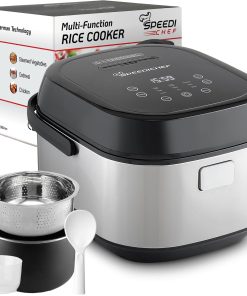
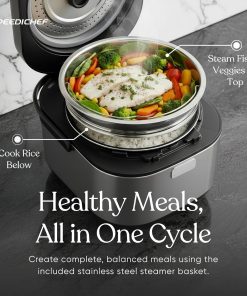
Many electric rice cookers have versatile settings for different types of grains and even steaming options for vegetables or fish. This multifunctionality makes them an excellent addition to any kitchen, effortlessly catering to various culinary needs.
Electric rice cookers come in several types, catering to different cooking styles and preferences. One popular option is the basic rice cooker. It offers simple one-button operation for effortlessly steaming rice.
Then, there are fuzzy logic rice cookers. These advanced models use smart technology to adjust cooking times and temperatures automatically, ensuring perfectly cooked rice with minimal fuss.
Induction heating cookers are another choice. They utilize magnetic fields for even heat distribution, which results in quicker cooking times and enhanced flavor retention.
For those who love versatility, multi-cookers combine various functions beyond rice cooking. They can pressure cook, steam, sauté, or slow cook, making them a kitchen powerhouse.
The mini electric rice cooker is designed for small households or meal prep needs. Compact yet efficient, it delivers quality results without occupying much counter space. Each type serves its own unique purpose while consistently delivering delicious meals.
First, consider the capacity when selecting an electric rice cooker. If you frequently cook for a large family or host gatherings, opt for a model with a higher capacity.
Next, think about the cooking functions offered. Some cookers provide multiple settings for different rice and grains, while others may include steaming features. Versatility can enhance your cooking experience.
Another vital factor is the ease of cleaning. To simplify your post-cooking routine, look for dishwasher-safe, non-stick inner pots.
Additionally, check out the brand reputation and customer reviews. Reliable brands often ensure better durability and performance.
Keep an eye on price versus features. Spending more can significantly improve the quality and functionality of electric rice cookers.
To use an electric rice cooker, start by measuring your rice. A standard cup is often the best guide.
Rinse the rice under cold water until the water runs clear. This removes excess starch and prevents stickiness.
Next, add the rinsed rice to the cooker pot. Then, pour water according to your model's instructions—usually, a 1:2 ratio of rice to water works well.
Close the lid securely and plug in your device. Select your desired cooking setting; most cookers have white or brown rice options.
Hit the start button and let it work its magic. You'll likely hear a beep when it's done cooking, but don't rush!
Let it sit for about 10 minutes after cooking finishes. This resting period allows moisture to evenly distribute throughout the grains before serving. Fluff with a fork right before enjoying!
Start by rinsing your rice thoroughly. This removes excess starch and prevents clumping. Aim for clear water; it's a sign you've washed away the extra starch.
Next, measure your water carefully. A standard ratio is one cup of rice to two cups of water, but always check your rice type for specific instructions. Brown rice usually needs more water than white.
When cooking begins, resist the urge to lift the lid too often. Each peek lets steam escape, which can affect cooking time.
Let your rice rest after cooking. Once the cooker signals it's done, wait five to ten minutes before opening it up. This allows residual heat to finish off any remaining moisture.
Fluff with a fork instead of stirring with a spoon. Forks separate grains gently without mashing them together, ensuring each bite remains light and airy.
Keeping your electric rice cooker in tip-top shape is essential for its longevity and performance. Regular cleaning prevents the buildup of residue, ensuring that every batch of rice tastes just as good as the last.
Start by unplugging your cooker and letting it cool down completely before you begin any cleaning process. Remove the inner pot and wash it with warm soapy water. A non-abrasive sponge works best to avoid scratches. Baking soda and water can work wonders if you're dealing with stubborn stains.
I need to remember the lid! Many cookers have a removable lid or cover that should be washed thoroughly. Make sure to wipe down any steam vents as well; these areas can accumulate moisture over time, potentially leading to odor or mold growth.
For exterior care, use a damp cloth to wipe away dust and spills on the outside of your appliance. Avoid using harsh chemicals that could damage the finish.
Regular maintenance checks are also crucial. Occasionally, inspect power cords for signs of wear or damage to ensure safety while using your appliance.
By following these straightforward cleaning tips, you'll extend the life of your electric rice cooker while enjoying perfectly cooked rice every time you use it.
[section label="Simple Light" bg_color="rgb(245, 245, 245)" padding="60px" height="300px" border="1px 0px 0px 0px" border_color="rgb(235, 235, 235)"]
[row]
[col span="4" span__sm="12"]
[/col] [col span="4" span__sm="12"]
[/col] [col span="4" span__sm="12"]
[/col]
[/row]
[/section]
![[CUCHEN] CRM-G0601WUS | Micom Rice Cooker 6 Cup (Uncooked) and Warmer | Direct Touch control | Nonstick Inner Pot | Delay Timer | White](https://buyricecookersonline.com/wp-content/uploads/2024/10/CUCHEN-CRM-G0601WUS-Micom-Rice-Cooker-6-Cup-Uncooked-and-Warmer-Direct-Touch-control-Nonstick-Inner-Pot-Delay-Timer-White-1-247x296.jpg)

Imagine coming home after a long day, the comforting aroma of perfectly cooked rice wafting through your kitchen. No more guesswork or constant monitoring—just fluffy grains ready to accompany your favorite dishes. This dream can be a reality with an electric rice cooker.
These handy appliances have transformed how we approach rice cooking, making it easier and more efficient than ever before. Whether whipping up a simple family meal or hosting friends for dinner, using an electric rice cooker elevates your culinary experience. But what makes these devices stand out?
In this ultimate guide to electric rice cookers, we’ll explore their benefits, types available on the market, factors you should consider when purchasing one, and tips to achieve perfect rice every time. Get ready to unlock the secrets of effortless cooking!
Electric rice cookers offer convenience that traditional methods can’t match. You can start cooking without constant supervision with just the push of a button. Once it’s done, many models automatically switch to a warming mode.
Another major advantage is consistency. Electric rice cookers meticulously control temperature and timing, ensuring each batch of rice is perfectly cooked every time. Say goodbye to soggy or burnt grains!
These appliances also save space in your kitchen. A dedicated cooker frees up stovetop burners for other dishes, making meal prep faster and more efficient.
Many electric rice cookers have versatile settings for different types of grains and even steaming options for vegetables or fish. This multifunctionality makes them an excellent addition to any kitchen, effortlessly catering to various culinary needs.
Electric rice cookers come in several types, catering to different cooking styles and preferences. One popular option is the basic rice cooker. It offers simple one-button operation for effortlessly steaming rice.
Then, there are fuzzy logic rice cookers. These advanced models use smart technology to adjust cooking times and temperatures automatically, ensuring perfectly cooked rice with minimal fuss.
Induction heating cookers are another choice. They utilize magnetic fields for even heat distribution, which results in quicker cooking times and enhanced flavor retention.
For those who love versatility, multi-cookers combine various functions beyond rice cooking. They can pressure cook, steam, sauté, or slow cook, making them a kitchen powerhouse.
The mini electric rice cooker is designed for small households or meal prep needs. Compact yet efficient, it delivers quality results without occupying much counter space. Each type serves its own unique purpose while consistently delivering delicious meals.
First, consider the capacity when selecting an electric rice cooker. If you frequently cook for a large family or host gatherings, opt for a model with a higher capacity.
Next, think about the cooking functions offered. Some cookers provide multiple settings for different rice and grains, while others may include steaming features. Versatility can enhance your cooking experience.
Another vital factor is the ease of cleaning. To simplify your post-cooking routine, look for dishwasher-safe, non-stick inner pots.
Additionally, check out the brand reputation and customer reviews. Reliable brands often ensure better durability and performance.
Keep an eye on price versus features. Spending more can significantly improve the quality and functionality of electric rice cookers.
To use an electric rice cooker, start by measuring your rice. A standard cup is often the best guide.
Rinse the rice under cold water until the water runs clear. This removes excess starch and prevents stickiness.
Next, add the rinsed rice to the cooker pot. Then, pour water according to your model’s instructions—usually, a 1:2 ratio of rice to water works well.
Close the lid securely and plug in your device. Select your desired cooking setting; most cookers have white or brown rice options.
Hit the start button and let it work its magic. You’ll likely hear a beep when it’s done cooking, but don’t rush!
Let it sit for about 10 minutes after cooking finishes. This resting period allows moisture to evenly distribute throughout the grains before serving. Fluff with a fork right before enjoying!
Start by rinsing your rice thoroughly. This removes excess starch and prevents clumping. Aim for clear water; it’s a sign you’ve washed away the extra starch.
Next, measure your water carefully. A standard ratio is one cup of rice to two cups of water, but always check your rice type for specific instructions. Brown rice usually needs more water than white.
When cooking begins, resist the urge to lift the lid too often. Each peek lets steam escape, which can affect cooking time.
Let your rice rest after cooking. Once the cooker signals it’s done, wait five to ten minutes before opening it up. This allows residual heat to finish off any remaining moisture.
Fluff with a fork instead of stirring with a spoon. Forks separate grains gently without mashing them together, ensuring each bite remains light and airy.
Keeping your electric rice cooker in tip-top shape is essential for its longevity and performance. Regular cleaning prevents the buildup of residue, ensuring that every batch of rice tastes just as good as the last.
Start by unplugging your cooker and letting it cool down completely before you begin any cleaning process. Remove the inner pot and wash it with warm soapy water. A non-abrasive sponge works best to avoid scratches. Baking soda and water can work wonders if you’re dealing with stubborn stains.
I need to remember the lid! Many cookers have a removable lid or cover that should be washed thoroughly. Make sure to wipe down any steam vents as well; these areas can accumulate moisture over time, potentially leading to odor or mold growth.
For exterior care, use a damp cloth to wipe away dust and spills on the outside of your appliance. Avoid using harsh chemicals that could damage the finish.
Regular maintenance checks are also crucial. Occasionally, inspect power cords for signs of wear or damage to ensure safety while using your appliance.
By following these straightforward cleaning tips, you’ll extend the life of your electric rice cooker while enjoying perfectly cooked rice every time you use it.