








Mastering the Art of Cooking: How a Grain Cooker Transforms Your Kitchen Experience Cooking can often feel like a chore, especially when preparing grains. Rice, quinoa, and barley are essential but can be tricky…

This collection currently includes 11 matching products. Compare capacity, cooking functions, controls, materials, cleaning requirements, price, and availability to narrow the options for your kitchen.

For broader buying help, use the Rice Cooker Buying Guide for Home Meals. You can also browse the Rice Cookers category to compare related options.
This Product Tag currently contains 11 live products. Availability can change as the catalog is updated.
Start with capacity or fit, then compare the functions, controls, materials, cleaning requirements, and specifications that matter for your intended use.
Open the individual product listing for the full specifications, current price, availability, images, and model-specific information before buying.
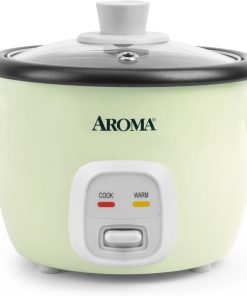
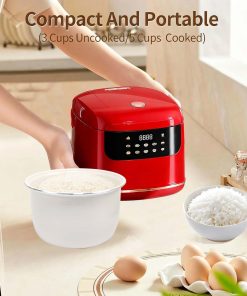
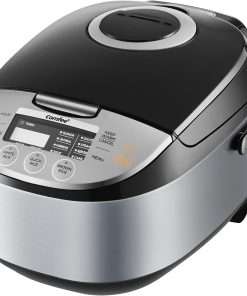
Cooking can often feel like a chore, especially when preparing grains. Rice, quinoa, and barley are essential but can be tricky to perfect. Enter the grain cooker, your new kitchen companion that simplifies the entire process. Imagine having perfectly cooked grains every time with minimal effort! Whether whipping up a quick weeknight dinner or prepping for meal prep on Sunday, this handy appliance changes everything.
A grain cooker isn't just about convenience; it's about unlocking culinary possibilities in your kitchen. With its ability to handle various types of grains and deliver consistent results, you'll wonder how you ever managed without one. Let's explore how mastering cooking with a grain cooker can elevate your home-cooked meals and transform your overall cooking experience.
Using a grain cooker offers unparalleled convenience. Add your grains and water, set the timer, and let the machine do its magic—no need to constantly monitor boiling pots or worry about overcooking.
Consistency is another significant benefit. Grain cookers deliver perfectly cooked results every time, whether you're making fluffy rice or creamy polenta. You can say goodbye to mushy textures or burnt bits at the bottom of the pot.
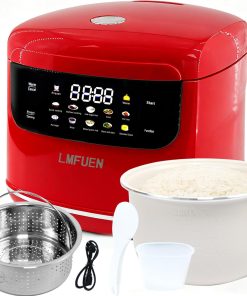
Health enthusiasts will appreciate that many models come with steamers for vegetables and proteins. This allows you to prepare an entire meal in one appliance, maximizing nutrients without extra dishes.
Energy efficiency is also noteworthy. A grain cooker uses less electricity than traditional stovetop methods, which can lead to lower utility bills over time.
It's incredibly versatile—not just for grains but also for soups and stews! Embrace creativity in your cooking while enjoying stress-free preparation.
A grain cooker is a versatile kitchen tool that handles various grains efficiently.
Please start with the classic rice, whether long-grain basmati or short-grain sushi rice. When cooked perfectly, each variety's unique texture and flavor come alive.
Quinoa is another fantastic option. This nutrient-packed seed cooks quickly and can serve as a hearty base for salads or side dishes.
Look at barley, known for its chewy texture and rich taste. It works well in soups or as a warm salad ingredient.
Millet offers a delightful nutty flavor while being gluten-free, making it an excellent choice for those with dietary restrictions.
When prepared in your grain cooker, oats are creamy and comforting for breakfast bowls. With such diversity, you can explore endless culinary possibilities right at home!
Getting the best results from your grain cooker is all about technique. Start by thoroughly rinsing your grains under cold water. This removes excess starch and prevents them from becoming gummy.
Next, adjust the water-to-grain ratio according to the type of grain you're using. A standard rule is two cups of water for one cup of rice, but quinoa usually requires a bit less.
For flavor enhancement, consider adding herbs or broth instead of plain water. A splash of olive oil can also elevate taste and texture.
Remember to let your grains rest after cooking. Allowing them to sit for a few minutes helps achieve that perfect fluffy consistency.
Experiment! Different brands may have slight variations in cooking times, so don't hesitate to tweak settings based on what works best for you over time.
A grain cooker opens up a world of culinary possibilities. You can easily prepare fluffy quinoa, which is perfect for salads or as a side dish. Just add water and let the machine work its magic.
Try making oatmeal for breakfast by combining rolled oats with your favorite milk and toppings like fruits or nuts. This hearty meal will fuel your day.
For dinner, consider cooking risotto. Use arborio rice, broth, vegetables, and cheese for a creamy texture without constant stirring.
Remember polenta? You can create a comforting dish that pairs well with stews or roasted veggies with cornmeal and water.
You can also whip up savory rice dishes infused with herbs and spices. Incorporate saffron or turmeric into your grains to explore global flavors.
Each recipe brings comfort to the table while showcasing the versatility of using a grain cooker in your kitchen.
A grain cooker is a valuable addition to any kitchen, but keeping it clean and well-maintained is essential for longevity and performance. Regular cleaning ensures your cooker operates efficiently and prevents unwanted flavors from lingering in your grains.
After each use, allow the appliance to cool completely before cleaning. Most grain cookers have a non-stick inner pot that can be easily removed for washing. Use warm, soapy water and a soft sponge to clean it gently. Avoid abrasive scrubbers, as they may scratch the surface.
Soak the inner pot in warm water before scrubbing for stubborn stains or residues. Wipe down the exterior of the grain cooker with a damp cloth; avoid using harsh chemicals that could damage its finish.
It's essential to check regularly for any food particles stuck in vents or crevices around the heating element. A small brush can help remove debris without damaging internal components.
Ensure all parts are thoroughly dried before reassembling them after washing to prevent mold growth or odors. Following these simple maintenance tips will keep your grain cooker running smoothly and enhance your cooking experience time after time. Embrace this efficient tool and elevate how you prepare healthy grains every day!
[section label="Simple Light" bg_color="rgb(245, 245, 245)" padding="60px" height="300px" border="1px 0px 0px 0px" border_color="rgb(235, 235, 235)"]
[row]
[col span="4" span__sm="12"]
[/col] [col span="4" span__sm="12"]
[/col] [col span="4" span__sm="12"]
[/col]
[/row]
[/section]


Cooking can often feel like a chore, especially when preparing grains. Rice, quinoa, and barley are essential but can be tricky to perfect. Enter the grain cooker, your new kitchen companion that simplifies the entire process. Imagine having perfectly cooked grains every time with minimal effort! Whether whipping up a quick weeknight dinner or prepping for meal prep on Sunday, this handy appliance changes everything.
A grain cooker isn’t just about convenience; it’s about unlocking culinary possibilities in your kitchen. With its ability to handle various types of grains and deliver consistent results, you’ll wonder how you ever managed without one. Let’s explore how mastering cooking with a grain cooker can elevate your home-cooked meals and transform your overall cooking experience.
Using a grain cooker offers unparalleled convenience. Add your grains and water, set the timer, and let the machine do its magic—no need to constantly monitor boiling pots or worry about overcooking.
Consistency is another significant benefit. Grain cookers deliver perfectly cooked results every time, whether you’re making fluffy rice or creamy polenta. You can say goodbye to mushy textures or burnt bits at the bottom of the pot.
Health enthusiasts will appreciate that many models come with steamers for vegetables and proteins. This allows you to prepare an entire meal in one appliance, maximizing nutrients without extra dishes.
Energy efficiency is also noteworthy. A grain cooker uses less electricity than traditional stovetop methods, which can lead to lower utility bills over time.
It’s incredibly versatile—not just for grains but also for soups and stews! Embrace creativity in your cooking while enjoying stress-free preparation.
A grain cooker is a versatile kitchen tool that handles various grains efficiently.
Please start with the classic rice, whether long-grain basmati or short-grain sushi rice. When cooked perfectly, each variety’s unique texture and flavor come alive.
Quinoa is another fantastic option. This nutrient-packed seed cooks quickly and can serve as a hearty base for salads or side dishes.
Look at barley, known for its chewy texture and rich taste. It works well in soups or as a warm salad ingredient.
Millet offers a delightful nutty flavor while being gluten-free, making it an excellent choice for those with dietary restrictions.
When prepared in your grain cooker, oats are creamy and comforting for breakfast bowls. With such diversity, you can explore endless culinary possibilities right at home!
Getting the best results from your grain cooker is all about technique. Start by thoroughly rinsing your grains under cold water. This removes excess starch and prevents them from becoming gummy.
Next, adjust the water-to-grain ratio according to the type of grain you’re using. A standard rule is two cups of water for one cup of rice, but quinoa usually requires a bit less.
For flavor enhancement, consider adding herbs or broth instead of plain water. A splash of olive oil can also elevate taste and texture.
Remember to let your grains rest after cooking. Allowing them to sit for a few minutes helps achieve that perfect fluffy consistency.
Experiment! Different brands may have slight variations in cooking times, so don’t hesitate to tweak settings based on what works best for you over time.
A grain cooker opens up a world of culinary possibilities. You can easily prepare fluffy quinoa, which is perfect for salads or as a side dish. Just add water and let the machine work its magic.
Try making oatmeal for breakfast by combining rolled oats with your favorite milk and toppings like fruits or nuts. This hearty meal will fuel your day.
For dinner, consider cooking risotto. Use arborio rice, broth, vegetables, and cheese for a creamy texture without constant stirring.
Remember polenta? You can create a comforting dish that pairs well with stews or roasted veggies with cornmeal and water.
You can also whip up savory rice dishes infused with herbs and spices. Incorporate saffron or turmeric into your grains to explore global flavors.
Each recipe brings comfort to the table while showcasing the versatility of using a grain cooker in your kitchen.
A grain cooker is a valuable addition to any kitchen, but keeping it clean and well-maintained is essential for longevity and performance. Regular cleaning ensures your cooker operates efficiently and prevents unwanted flavors from lingering in your grains.
After each use, allow the appliance to cool completely before cleaning. Most grain cookers have a non-stick inner pot that can be easily removed for washing. Use warm, soapy water and a soft sponge to clean it gently. Avoid abrasive scrubbers, as they may scratch the surface.
Soak the inner pot in warm water before scrubbing for stubborn stains or residues. Wipe down the exterior of the grain cooker with a damp cloth; avoid using harsh chemicals that could damage its finish.
It’s essential to check regularly for any food particles stuck in vents or crevices around the heating element. A small brush can help remove debris without damaging internal components.
Ensure all parts are thoroughly dried before reassembling them after washing to prevent mold growth or odors. Following these simple maintenance tips will keep your grain cooker running smoothly and enhance your cooking experience time after time. Embrace this efficient tool and elevate how you prepare healthy grains every day!