





PRODUCT TAG COLLECTION
Microwave Safe Rice Cooker
The Ultimate Guide to Microwave Safe Rice Cookers: Perfectly Cooked Rice in Minutes! Cooking rice can sometimes feel like a culinary gamble. Will it turn out fluffy and delicious, or will you end up…
Compare productsReview useful featuresChoose with confidence
Choosing Microwave Safe Rice Cooker with Confidence
This collection currently includes 8 matching products. Compare capacity, cooking functions, controls, materials, cleaning requirements, price, and availability to narrow the options for your kitchen.
✓
Capacity & FitMatch size and capacity to your usual meals
✓
Cooking ResultsCompare programs, heat control and keep-warm options
✓
Easy to UseLook for practical controls and simple everyday operation
✓
Multiple UsesCompare the cooking functions offered across models
Key Features to Compare
- Capacity and fit: Compare stated capacity, appliance dimensions, and the amount of food you normally prepare.
- Cooking programs: Look for the rice, grain, pressure, steaming, or multi-cook settings you will actually use.
- Controls and materials: Review the control panel, inner-pot construction, lid design, and model-specific features.
- Cleaning and care: Check removable parts, washing guidance, keep-warm behavior, and everyday maintenance.
For broader buying help, use the Rice Cooker Buying Guide for Home Meals. You can also browse the Rice Cookers category to compare related options.
Microwave Safe Rice Cooker: Questions Buyers Ask
How many products are currently in this collection?
This Product Tag currently contains 8 live products. Availability can change as the catalog is updated.
What should I compare before choosing?
Start with capacity or fit, then compare the functions, controls, materials, cleaning requirements, and specifications that matter for your intended use.
Where can I check complete product details?
Open the individual product listing for the full specifications, current price, availability, images, and model-specific information before buying.
Detailed Microwave Safe Rice Cooker GuideRead detailed tag content
The Ultimate Guide to Microwave Safe Rice Cookers: Perfectly Cooked Rice in Minutes!
Cooking rice can sometimes feel like a culinary gamble. Will it turn out fluffy and delicious, or will you end up with a sticky, mushy mess? Enter the microwave-safe rice cooker—a game changer for busy kitchens everywhere. These handy gadgets make preparing perfectly cooked rice not just easy but also quick. Whether you're in a rush to whip up dinner or simply want some comforting jasmine rice on the side, a microwave-safe rice cooker has got your back.
With the right tips and tricks, you'll soon be serving restaurant-quality rice from the comfort of your home. In this ultimate guide, we'll delve into essential advice for achieving flawless grains every time while ensuring that your cooking appliance stays in tip-top shape. Plus, if you're considering alternatives to these nifty cookers, we've got options for you, too! Get ready to transform how you cook rice forever.
Tips for Perfectly Cooked Rice in a Microwave Safe Rice Cooker
Start by measuring your rice carefully. A standard ratio is one cup of rice to two cups of water, but this can vary depending on your rice type.
Rinse your rice under cold water before cooking. This removes excess starch and prevents it from becoming gummy.
Add a pinch of salt for flavor; this simple step elevates the taste significantly. Consider adding a splash of oil or butter for extra richness.
Cover your microwave-safe rice cooker tightly with its lid to trap steam efficiently. Leave the lid slightly ajar to prevent overflow if it doesn't have a vent.
Microwave on high power for about 10-12 minutes, then let it sit covered for another five minutes. This resting period allows any remaining moisture to be absorbed fully, ensuring light and fluffy grains every time you lift the lid.
Maintenance and Care for Your Microwave Safe Rice Cooker
Taking care of your microwave-safe rice cooker is essential for its longevity and performance. Start by cleaning it after each use. A simple wash with warm, soapy water will do wonders.
Avoid using abrasive cleaners or scrubbers. These can scratch the surface and compromise its safety features. Instead, opt for a soft sponge or cloth to preserve the integrity of the material.
When not in use, store your rice cooker in a dry place. Moisture can lead to mold growth, which you want to avoid.
Check your rice cooker regularly for signs of wear and tear. If you notice cracks or chips, it's best to replace them before they become a hazard.
Pay attention to manufacturer instructions for usage and maintenance tips specific to your model to ensure optimal results every time you cook rice.
Alternatives to a Microwave Safe Rice Cooker
If a microwave-safe rice cooker isn't your preferred method for preparing rice, several alternatives exist. Each option has its unique features and benefits.
One popular alternative is the traditional stovetop pot. A heavy-bottomed saucepan can deliver fantastic results when cooking rice. Remember to use the proper water-to-rice ratio and watch it while it simmers.
Another option is an electric rice cooker. These appliances take all the guesswork out of cooking rice by automatically adjusting heat and time based on the type of grain being cooked. They can handle larger quantities, making them ideal for family meals or gatherings.
For those who prefer a more hands-off approach, using a slow cooker might appeal to you. This method allows you to set it and forget it—just throw in your ingredients at breakfast and come home to perfectly cooked rice for dinner.
Pressure cookers also offer another way to prepare fluffy grains quickly. They significantly reduce cooking time compared to conventional methods, allowing you to have fresh-cooked rice in minutes.
Whichever method you choose, knowing your options ensures that you'll always have deliciously cooked rice ready whenever you need it!
Related Buying Guides
Rice Cooker Buying Guide for Home Meals›Rice Cooker Size & Capacity Guide›Rice Cooker Types & Technology Guide›Similar Products

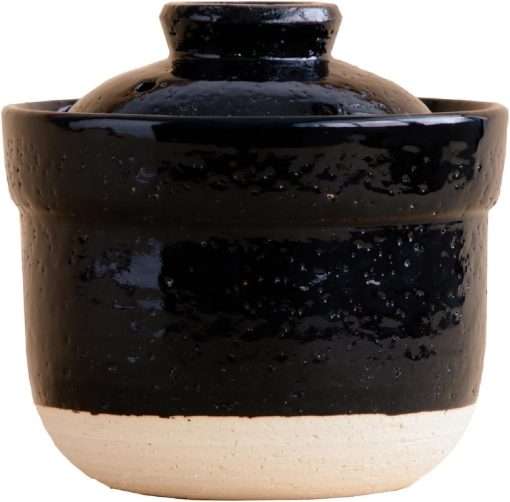
Iga no Takumi Instant Rice Pot Microwave Rice Cooker Clay Pot for One-Person Cooking Authentic Iga-Yaki Donabe – Perfect for Rice & Hot Pot (US Version)

Lekue Microwave Rice, Grain & Quinoa Cooker, one size,1 Liters, Green
Find the right Microwave Safe Rice Cooker for your kitchen.Compare capacity, settings, fit, care requirements, and the live products shown above.
Browse Rice Cookers →The Ultimate Guide to Microwave Safe Rice Cookers: Perfectly Cooked Rice in Minutes!
Cooking rice can sometimes feel like a culinary gamble. Will it turn out fluffy and delicious, or will you end up with a sticky, mushy mess? Enter the microwave-safe rice cooker—a game changer for busy kitchens everywhere. These handy gadgets make preparing perfectly cooked rice not just easy but also quick. Whether you’re in a rush to whip up dinner or simply want some comforting jasmine rice on the side, a microwave-safe rice cooker has got your back.
With the right tips and tricks, you’ll soon be serving restaurant-quality rice from the comfort of your home. In this ultimate guide, we’ll delve into essential advice for achieving flawless grains every time while ensuring that your cooking appliance stays in tip-top shape. Plus, if you’re considering alternatives to these nifty cookers, we’ve got options for you, too! Get ready to transform how you cook rice forever.
Tips for Perfectly Cooked Rice in a Microwave Safe Rice Cooker
Start by measuring your rice carefully. A standard ratio is one cup of rice to two cups of water, but this can vary depending on your rice type.
Rinse your rice under cold water before cooking. This removes excess starch and prevents it from becoming gummy.
Add a pinch of salt for flavor; this simple step elevates the taste significantly. Consider adding a splash of oil or butter for extra richness.
Cover your microwave-safe rice cooker tightly with its lid to trap steam efficiently. Leave the lid slightly ajar to prevent overflow if it doesn’t have a vent.
Microwave on high power for about 10-12 minutes, then let it sit covered for another five minutes. This resting period allows any remaining moisture to be absorbed fully, ensuring light and fluffy grains every time you lift the lid.
Maintenance and Care for Your Microwave Safe Rice Cooker
Taking care of your microwave-safe rice cooker is essential for its longevity and performance. Start by cleaning it after each use. A simple wash with warm, soapy water will do wonders.
Avoid using abrasive cleaners or scrubbers. These can scratch the surface and compromise its safety features. Instead, opt for a soft sponge or cloth to preserve the integrity of the material.
When not in use, store your rice cooker in a dry place. Moisture can lead to mold growth, which you want to avoid.
Check your rice cooker regularly for signs of wear and tear. If you notice cracks or chips, it’s best to replace them before they become a hazard.
Pay attention to manufacturer instructions for usage and maintenance tips specific to your model to ensure optimal results every time you cook rice.
Alternatives to a Microwave Safe Rice Cooker
If a microwave-safe rice cooker isn’t your preferred method for preparing rice, several alternatives exist. Each option has its unique features and benefits.
One popular alternative is the traditional stovetop pot. A heavy-bottomed saucepan can deliver fantastic results when cooking rice. Remember to use the proper water-to-rice ratio and watch it while it simmers.
Another option is an electric rice cooker. These appliances take all the guesswork out of cooking rice by automatically adjusting heat and time based on the type of grain being cooked. They can handle larger quantities, making them ideal for family meals or gatherings.
For those who prefer a more hands-off approach, using a slow cooker might appeal to you. This method allows you to set it and forget it—just throw in your ingredients at breakfast and come home to perfectly cooked rice for dinner.
Pressure cookers also offer another way to prepare fluffy grains quickly. They significantly reduce cooking time compared to conventional methods, allowing you to have fresh-cooked rice in minutes.
Whichever method you choose, knowing your options ensures that you’ll always have deliciously cooked rice ready whenever you need it!