




Discover the Best Japanese Rice Cookers: A Guide to Perfectly Cooked Rice Every Time Rice is a staple in many households, and getting it right can sometimes be challenging. Enter the Japanese rice cooker—a…
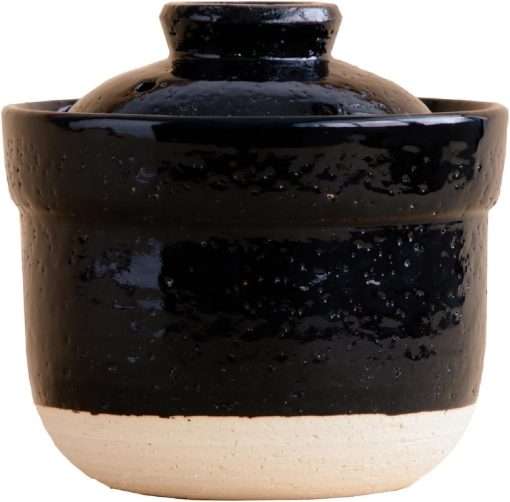
This collection currently includes 26 matching products. Compare capacity, cooking functions, controls, materials, cleaning requirements, price, and availability to narrow the options for your kitchen.

For broader buying help, use the Rice Cooker Buying Guide for Home Meals. You can also browse the Rice Cookers category to compare related options.
This Product Tag currently contains 26 live products. Availability can change as the catalog is updated.
Start with capacity or fit, then compare the functions, controls, materials, cleaning requirements, and specifications that matter for your intended use.
Open the individual product listing for the full specifications, current price, availability, images, and model-specific information before buying.
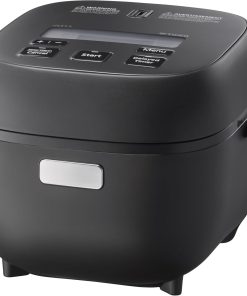
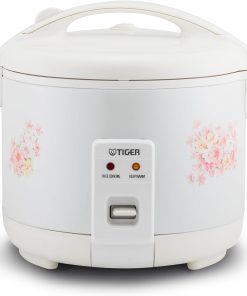
Rice is a staple in many households, and getting it right can sometimes be challenging. Enter the Japanese rice cooker—a marvel of culinary engineering that promises to elevate your rice game. If you've ever struggled with soggy or undercooked grains, you'll know how crucial it is to have the right equipment in your kitchen. With their precision technology and user-friendly designs, Rice Cooker Japanese Brand options take the guesswork out of cooking perfect rice every time.
Whether you're a seasoned cook or just starting your culinary journey, owning a Japanese rice cooker can transform mealtime into something special. Imagine fluffy sushi rice for homemade rolls or perfectly steamed jasmine rice as a side dish—this handy appliance makes it all possible with minimal effort. Ready to explore why these remarkable machines are worth considering? Let's dive into their advantages and discover tips for achieving flawless results!
Japanese rice cookers are renowned for their advanced technology. They often feature micro computerized sensors that automatically adjust cooking times and temperatures, ensuring your rice is always perfectly cooked.
One standout advantage is the ability to prepare various types of rice, from short-grain sushi rice to long-grain basmati. Many models have tailored settings for each variety, making them versatile kitchen tools.
Another benefit is the steam function. It allows you to cook rice, vegetables, and soups simultaneously, maximizing your meal prep efforts.
Ease of use is also essential. You can start the cooking process without constant supervision with a simple button push. This means more time for other tasks while you enjoy perfectly cooked grains waiting for you when you're ready!
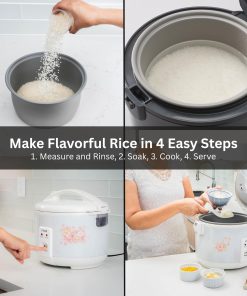
To achieve perfectly cooked rice, start by rinsing it thoroughly. This removes excess starch and prevents your rice from becoming gummy.
Next, pay attention to the water-to-rice ratio. A common rule is 1:1 for short-grain varieties and about 1:1.5 for long-grain types. Adjust based on personal preference or specific recipes.
Soaking the rice beforehand can enhance texture. Letting it soak in cold water for 30 minutes allows grains to absorb moisture evenly.
When cooking, resist the urge to lift the lid too often. Keeping steam trapped ensures even cooking throughout.
Rest for a few minutes after your rice is done before fluffing with a fork. This step helps redistribute moisture within the grains, yielding fluffy results every time.
If your Japanese rice cooker offers different settings, experiment with them. These tailored options can elevate flavor and texture beyond standard white rice.
Taking care of your Japanese rice cooker is essential to ensure it operates efficiently and lasts for years. Regular maintenance can help you achieve consistently delicious results every time.
First, clean the inner pot after each use. Use a soft sponge and mild detergent to prevent scratches. Avoid abrasive cleaners that could damage the non-stick surface.
Pay attention to the steam vent as well. It's essential to keep this area free from debris or food particles. A blocked vent can lead to improper cooking or even safety issues.
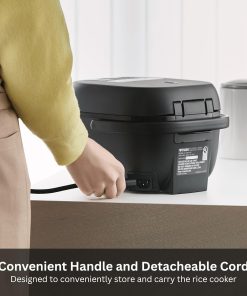
Once in a while, check the power cord and plug for signs of wear. If you notice any fraying or damage, it's best not to use it until it is repaired or replaced.
When not in use, store your rice cooker in a dry place. This helps prevent moisture buildup inside, which could affect performance over time.
Refer to the manufacturer's manual for specific care instructions tailored to your model. Every brand has its nuances that can impact longevity and functionality.
By following these simple maintenance tips, you'll enjoy perfectly cooked rice and extend the life of your rice cooker, which is a significant investment for the Japanese brand.
[section label="Simple Light" bg_color="rgb(245, 245, 245)" padding="60px" height="300px" border="1px 0px 0px 0px" border_color="rgb(235, 235, 235)"]
[row]
[col span="4" span__sm="12"]
[/col] [col span="4" span__sm="12"]
[/col] [col span="4" span__sm="12"]
[/col]
[/row]
[/section]


Rice is a staple in many households, and getting it right can sometimes be challenging. Enter the Japanese rice cooker—a marvel of culinary engineering that promises to elevate your rice game. If you’ve ever struggled with soggy or undercooked grains, you’ll know how crucial it is to have the right equipment in your kitchen. With their precision technology and user-friendly designs, Rice Cooker Japanese Brand options take the guesswork out of cooking perfect rice every time.
Whether you’re a seasoned cook or just starting your culinary journey, owning a Japanese rice cooker can transform mealtime into something special. Imagine fluffy sushi rice for homemade rolls or perfectly steamed jasmine rice as a side dish—this handy appliance makes it all possible with minimal effort. Ready to explore why these remarkable machines are worth considering? Let’s dive into their advantages and discover tips for achieving flawless results!
Japanese rice cookers are renowned for their advanced technology. They often feature micro computerized sensors that automatically adjust cooking times and temperatures, ensuring your rice is always perfectly cooked.
One standout advantage is the ability to prepare various types of rice, from short-grain sushi rice to long-grain basmati. Many models have tailored settings for each variety, making them versatile kitchen tools.
Another benefit is the steam function. It allows you to cook rice, vegetables, and soups simultaneously, maximizing your meal prep efforts.
Ease of use is also essential. You can start the cooking process without constant supervision with a simple button push. This means more time for other tasks while you enjoy perfectly cooked grains waiting for you when you’re ready!
To achieve perfectly cooked rice, start by rinsing it thoroughly. This removes excess starch and prevents your rice from becoming gummy.
Next, pay attention to the water-to-rice ratio. A common rule is 1:1 for short-grain varieties and about 1:1.5 for long-grain types. Adjust based on personal preference or specific recipes.
Soaking the rice beforehand can enhance texture. Letting it soak in cold water for 30 minutes allows grains to absorb moisture evenly.
When cooking, resist the urge to lift the lid too often. Keeping steam trapped ensures even cooking throughout.
Rest for a few minutes after your rice is done before fluffing with a fork. This step helps redistribute moisture within the grains, yielding fluffy results every time.
If your Japanese rice cooker offers different settings, experiment with them. These tailored options can elevate flavor and texture beyond standard white rice.
Taking care of your Japanese rice cooker is essential to ensure it operates efficiently and lasts for years. Regular maintenance can help you achieve consistently delicious results every time.
First, clean the inner pot after each use. Use a soft sponge and mild detergent to prevent scratches. Avoid abrasive cleaners that could damage the non-stick surface.
Pay attention to the steam vent as well. It’s essential to keep this area free from debris or food particles. A blocked vent can lead to improper cooking or even safety issues.
Once in a while, check the power cord and plug for signs of wear. If you notice any fraying or damage, it’s best not to use it until it is repaired or replaced.
When not in use, store your rice cooker in a dry place. This helps prevent moisture buildup inside, which could affect performance over time.
Refer to the manufacturer’s manual for specific care instructions tailored to your model. Every brand has its nuances that can impact longevity and functionality.
By following these simple maintenance tips, you’ll enjoy perfectly cooked rice and extend the life of your rice cooker, which is a significant investment for the Japanese brand.