


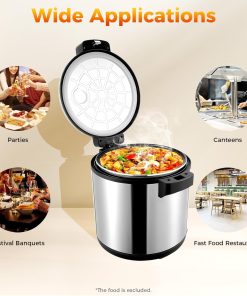


Boost Your Restaurant's Efficiency: The Ultimate Guide to Choosing the Right Rice Warmer Running a restaurant is no small feat, especially when it comes to ensuring that every dish served is at its best.…

This collection currently includes 4 matching products. Compare capacity, cooking functions, controls, materials, cleaning requirements, price, and availability to narrow the options for your kitchen.
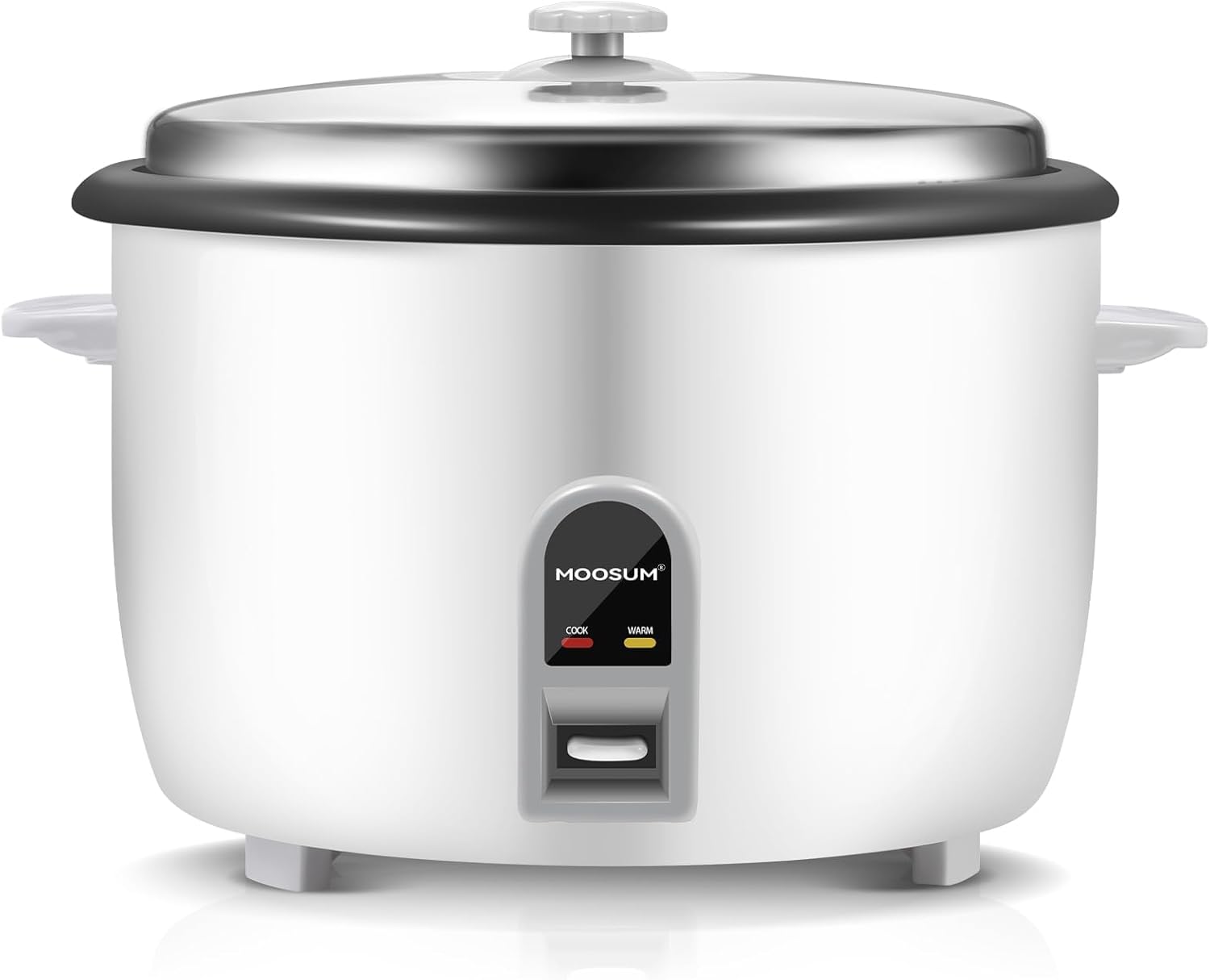
For broader buying help, use the Rice Cooker Buying Guide for Home Meals. You can also browse the Rice Cookers category to compare related options.
This Product Tag currently contains 4 live products. Availability can change as the catalog is updated.
Start with capacity or fit, then compare the functions, controls, materials, cleaning requirements, and specifications that matter for your intended use.
Open the individual product listing for the full specifications, current price, availability, images, and model-specific information before buying.
Running a restaurant is no small feat, especially when it comes to ensuring that every dish served is at its best. One often-overlooked factor in maintaining food quality is using an effective rice warmer. Whether you serve sushi, stir-fries, or comforting curry bowls, having perfectly heated rice can make all the difference in your diners' experience. With so many options today, choosing the proper rice warmer for your restaurant can seem overwhelming.
This guide will walk you through everything you need to know about selecting a rice warmer that suits your establishment's needs. From understanding the different types available to essential factors to consider and tips for proper usage and maintenance, it's time to elevate your service and keep those grains warm and inviting! Dive into our ultimate guide and discover how a simple kitchen tool can significantly boost your restaurant's efficiency.
When it comes to rice warmers, variety is vital. One popular option is the traditional electric rice warmer, which maintains a consistent temperature while keeping rice moist and fluffy. These units often come with settings for different types of grains.
Another type worth considering is the induction rice warmer. This technology ensures rapid heating and energy efficiency, making it an excellent choice for busy kitchens where time is crucial.
For those seeking versatility, there are multifunctional warmers that heat rice and keep other dishes warm. This can be particularly helpful when serving multiple sides alongside your main courses.
Countertop models provide convenience and space-saving solutions without sacrificing quality or performance. Each style offers distinct advantages tailored to various kitchen environments and culinary needs—making it essential to choose wisely based on your restaurant's requirements.
When selecting the ideal rice warmer for your restaurant, assess capacity. Consider how much rice you typically serve during peak hours. A larger unit may be beneficial if you're busy.
Next, think about temperature control. Some warmers offer adjustable settings that allow you to maintain perfect serving temperatures without overcooking.
Another factor is the ease of use. Look for models with straightforward controls and clear indicators so your staff can operate them efficiently, even during rush periods.
Energy efficiency also affects long-term costs. An energy-efficient model can save money on utility bills while keeping food warm.
Don't overlook the material quality. Stainless steel options are durable and easy to clean, ensuring longevity and hygiene in a bustling kitchen environment.
Proper use and maintenance of your Rice Warmer For Restaurant can significantly extend its lifespan and ensure optimal performance. Start by following the manufacturer's operating operating guidelines. Most modern rice warmers come equipped with specific settings tailored for different types of rice, such as white, brown, or jasmine.
Before using your rice warmer, clean it thoroughly. This prevents any residue from affecting the taste of future batches. After each use, use a damp cloth to wipe down both the interior and exterior surfaces. Pay attention to the heating element; this is where food particles might accumulate if not cleaned regularly.
Temperature control is another crucial aspect. Monitor temperature settings and adjust them based on how long you plan to keep your rice warm. Prolonged heat exposure can dry out your grains or cause them to clump together.
Check water levels frequently if your model requires water for steaming purposes. Low water levels could lead to uneven cooking or damage the unit over time.
Regular inspections of cords and plugs are performed for any signs of wear or damage. Addressing these issues early can prevent accidents in a busy restaurant setting.
By properly maintaining your equipment, you'll ensure that it remains reliable during peak hours and that your dishes are perfectly cooked every time customers place their orders.
[section label="Simple Light" bg_color="rgb(245, 245, 245)" padding="60px" height="300px" border="1px 0px 0px 0px" border_color="rgb(235, 235, 235)"]
[row]
[col span="4" span__sm="12"]
[/col] [col span="4" span__sm="12"]
[/col] [col span="4" span__sm="12"]
[/col]
[/row]
[/section]

Running a restaurant is no small feat, especially when it comes to ensuring that every dish served is at its best. One often-overlooked factor in maintaining food quality is using an effective rice warmer. Whether you serve sushi, stir-fries, or comforting curry bowls, having perfectly heated rice can make all the difference in your diners’ experience. With so many options today, choosing the proper rice warmer for your restaurant can seem overwhelming.
This guide will walk you through everything you need to know about selecting a rice warmer that suits your establishment’s needs. From understanding the different types available to essential factors to consider and tips for proper usage and maintenance, it’s time to elevate your service and keep those grains warm and inviting! Dive into our ultimate guide and discover how a simple kitchen tool can significantly boost your restaurant’s efficiency.
When it comes to rice warmers, variety is vital. One popular option is the traditional electric rice warmer, which maintains a consistent temperature while keeping rice moist and fluffy. These units often come with settings for different types of grains.
Another type worth considering is the induction rice warmer. This technology ensures rapid heating and energy efficiency, making it an excellent choice for busy kitchens where time is crucial.
For those seeking versatility, there are multifunctional warmers that heat rice and keep other dishes warm. This can be particularly helpful when serving multiple sides alongside your main courses.
Countertop models provide convenience and space-saving solutions without sacrificing quality or performance. Each style offers distinct advantages tailored to various kitchen environments and culinary needs—making it essential to choose wisely based on your restaurant’s requirements.
When selecting the ideal rice warmer for your restaurant, assess capacity. Consider how much rice you typically serve during peak hours. A larger unit may be beneficial if you’re busy.
Next, think about temperature control. Some warmers offer adjustable settings that allow you to maintain perfect serving temperatures without overcooking.
Another factor is the ease of use. Look for models with straightforward controls and clear indicators so your staff can operate them efficiently, even during rush periods.
Energy efficiency also affects long-term costs. An energy-efficient model can save money on utility bills while keeping food warm.
Don’t overlook the material quality. Stainless steel options are durable and easy to clean, ensuring longevity and hygiene in a bustling kitchen environment.
Proper use and maintenance of your Rice Warmer For Restaurant can significantly extend its lifespan and ensure optimal performance. Start by following the manufacturer’s operating operating guidelines. Most modern rice warmers come equipped with specific settings tailored for different types of rice, such as white, brown, or jasmine.
Before using your rice warmer, clean it thoroughly. This prevents any residue from affecting the taste of future batches. After each use, use a damp cloth to wipe down both the interior and exterior surfaces. Pay attention to the heating element; this is where food particles might accumulate if not cleaned regularly.
Temperature control is another crucial aspect. Monitor temperature settings and adjust them based on how long you plan to keep your rice warm. Prolonged heat exposure can dry out your grains or cause them to clump together.
Check water levels frequently if your model requires water for steaming purposes. Low water levels could lead to uneven cooking or damage the unit over time.
Regular inspections of cords and plugs are performed for any signs of wear or damage. Addressing these issues early can prevent accidents in a busy restaurant setting.
By properly maintaining your equipment, you’ll ensure that it remains reliable during peak hours and that your dishes are perfectly cooked every time customers place their orders.