




The Ultimate Guide to Choosing and Using a Steel Rice Cooker: Benefits and Tips Do you want rice that's either too mushy or undercooked? Enter the steel rice cooker, a kitchen essential that always…

This collection currently includes 5 matching products. Compare capacity, cooking functions, controls, materials, cleaning requirements, price, and availability to narrow the options for your kitchen.

For broader buying help, use the Rice Cooker Buying Guide for Home Meals. You can also browse the Rice Cookers category to compare related options.
This Product Tag currently contains 5 live products. Availability can change as the catalog is updated.
Start with capacity or fit, then compare the functions, controls, materials, cleaning requirements, and specifications that matter for your intended use.
Open the individual product listing for the full specifications, current price, availability, images, and model-specific information before buying.
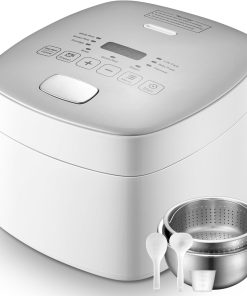
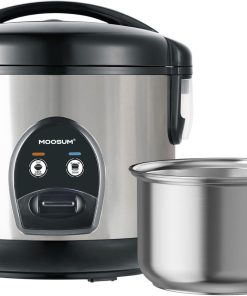
Do you want rice that's either too mushy or undercooked? Enter the steel rice cooker, a kitchen essential that always promises perfectly fluffy grains. Whether you're a novice cook or an experienced chef, this versatile appliance can elevate your culinary game and make meal prep effortless. With its sleek design and robust materials, it offers not just functionality but also durability.
In this ultimate guide, we'll explore the benefits of choosing a steel rice cooker over other options on the market. You'll discover tips for keeping it in top shape and learn about alternatives if you're considering different cooking methods. Embrace the art of cooking perfect rice without hassle or mess—let's dive right in!
Choosing a steel rice cooker offers numerous advantages that enhance your cooking experience. First and foremost, stainless steel is robust and resilient, ensuring long-lasting performance. Unlike plastic models, it doesn't retain odors or discolor over time.
Another significant benefit is even heat distribution. Steel cookers provide consistent cooking temperatures, producing perfectly cooked rice without hot spots or uneven textures. This means no more burnt bits lurking at the bottom!
Health-conscious cooks will appreciate that many steel rice cookers are free from harmful chemicals like BPA, which is found in some plastics. Cooking with stainless steel ensures that your meals remain safe and healthy.
Moreover, their sleek appearance adds elegance to any kitchen counter. Easy to clean and maintain, these appliances can make meal prep less daunting and more enjoyable! Whether you're making a simple side dish or an elaborate feast, a steel rice cooker is a reliable companion in your culinary journey.
Cleaning your steel rice cooker is straightforward. First, unplug it and allow it to cool completely, which will prevent accidental burns.
Use warm, soapy water and a soft sponge to clean the interior. Avoid abrasive cleaners that can scratch the surface. Rinse thoroughly to remove any soap residue.
For stubborn stains or burnt-on rice, soak the inner pot in warm water briefly before scrubbing gently. A mixture of vinegar and baking soda can also work wonders here.
Remember the exterior! Wipe it down with a damp cloth regularly to keep it looking shiny and new.
Inspect the steam vent occasionally; ensure it's clear of debris for optimal cooking performance. Regular maintenance extends your rice cooker's lifespan while keeping your meals deliciously prepared whenever you use it.
When considering alternatives to a steel rice cooker, exploring various cooking methods and tools is essential. Each option has unique advantages that suit different lifestyles or preferences.
One popular alternative is the traditional pot on the stove. This method allows for greater control over the cooking process. You can easily adjust heat levels and monitor your rice as it cooks, ensuring perfect results every time.
Electric rice cookers are another common choice. These devices often come with multiple settings, allowing you to prepare rice, grains, stews, and even soups. If you're considering convenience, electric models may simplify meal preparation significantly.
Pressure cookers offer yet another option worth exploring. They can dramatically cut down cooking times while preserving flavor and nutrients in food. This could be an excellent route for those who enjoy quick meals without sacrificing quality.
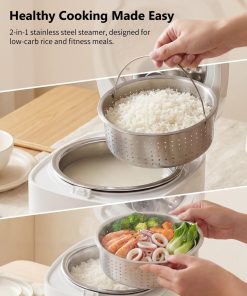
For health-conscious individuals looking for versatile options, consider using a steamer pot or bamboo steamer basket. These provide a healthy way to cook grains alongside vegetables simultaneously without losing essential nutrients by boiling them in water.
Each of these alternatives has its own set of pros and cons based on factors like ease of use, versatility, or overall nutrition retention during cooking processes—so weigh those carefully against what best fits your culinary routine!
[section label="Simple Light" bg_color="rgb(245, 245, 245)" padding="60px" height="300px" border="1px 0px 0px 0px" border_color="rgb(235, 235, 235)"]
[row]
[col span="4" span__sm="12"]
[/col] [col span="4" span__sm="12"]
[/col] [col span="4" span__sm="12"]
[/col]
[/row]
[/section]


Do you want rice that’s either too mushy or undercooked? Enter the steel rice cooker, a kitchen essential that always promises perfectly fluffy grains. Whether you’re a novice cook or an experienced chef, this versatile appliance can elevate your culinary game and make meal prep effortless. With its sleek design and robust materials, it offers not just functionality but also durability.
In this ultimate guide, we’ll explore the benefits of choosing a steel rice cooker over other options on the market. You’ll discover tips for keeping it in top shape and learn about alternatives if you’re considering different cooking methods. Embrace the art of cooking perfect rice without hassle or mess—let’s dive right in!
Choosing a steel rice cooker offers numerous advantages that enhance your cooking experience. First and foremost, stainless steel is robust and resilient, ensuring long-lasting performance. Unlike plastic models, it doesn’t retain odors or discolor over time.
Another significant benefit is even heat distribution. Steel cookers provide consistent cooking temperatures, producing perfectly cooked rice without hot spots or uneven textures. This means no more burnt bits lurking at the bottom!
Health-conscious cooks will appreciate that many steel rice cookers are free from harmful chemicals like BPA, which is found in some plastics. Cooking with stainless steel ensures that your meals remain safe and healthy.
Moreover, their sleek appearance adds elegance to any kitchen counter. Easy to clean and maintain, these appliances can make meal prep less daunting and more enjoyable! Whether you’re making a simple side dish or an elaborate feast, a steel rice cooker is a reliable companion in your culinary journey.
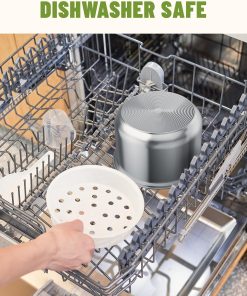
Cleaning your steel rice cooker is straightforward. First, unplug it and allow it to cool completely, which will prevent accidental burns.
Use warm, soapy water and a soft sponge to clean the interior. Avoid abrasive cleaners that can scratch the surface. Rinse thoroughly to remove any soap residue.
For stubborn stains or burnt-on rice, soak the inner pot in warm water briefly before scrubbing gently. A mixture of vinegar and baking soda can also work wonders here.
Remember the exterior! Wipe it down with a damp cloth regularly to keep it looking shiny and new.
Inspect the steam vent occasionally; ensure it’s clear of debris for optimal cooking performance. Regular maintenance extends your rice cooker’s lifespan while keeping your meals deliciously prepared whenever you use it.
When considering alternatives to a steel rice cooker, exploring various cooking methods and tools is essential. Each option has unique advantages that suit different lifestyles or preferences.
One popular alternative is the traditional pot on the stove. This method allows for greater control over the cooking process. You can easily adjust heat levels and monitor your rice as it cooks, ensuring perfect results every time.
Electric rice cookers are another common choice. These devices often come with multiple settings, allowing you to prepare rice, grains, stews, and even soups. If you’re considering convenience, electric models may simplify meal preparation significantly.
Pressure cookers offer yet another option worth exploring. They can dramatically cut down cooking times while preserving flavor and nutrients in food. This could be an excellent route for those who enjoy quick meals without sacrificing quality.
For health-conscious individuals looking for versatile options, consider using a steamer pot or bamboo steamer basket. These provide a healthy way to cook grains alongside vegetables simultaneously without losing essential nutrients by boiling them in water.
Each of these alternatives has its own set of pros and cons based on factors like ease of use, versatility, or overall nutrition retention during cooking processes—so weigh those carefully against what best fits your culinary routine!