



Mastering the Art of Sushi Rice: A Comprehensive Guide to Cooking Techniques and Tips Sushi rice is the unsung hero of every sushi roll and nigiri masterpiece. Sushi rice is the foundation of any…

Rice Cooker Parts and Accessories
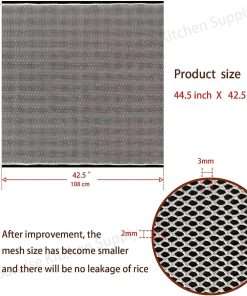
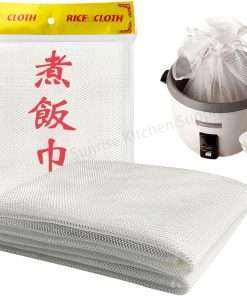
43″ x 43″ Sushi Rice Cooking Net/Rice Cooker Napkin/Sushi Rice Cooking Napkin (4)
This collection currently includes 7 matching products. Compare capacity, cooking functions, controls, materials, cleaning requirements, price, and availability to narrow the options for your kitchen.

For broader buying help, use the Rice Cooker Parts & Accessories Guide. You can also browse the Rice Cooker Parts and Accessories category to compare related options.
This Product Tag currently contains 7 live products. Availability can change as the catalog is updated.
Start with capacity or fit, then compare the functions, controls, materials, cleaning requirements, and specifications that matter for your intended use.
Open the individual product listing for the full specifications, current price, availability, images, and model-specific information before buying.
Sushi rice is the unsung hero of every sushi roll and nigiri masterpiece. Sushi rice is the foundation of any excellent sushi dish, often overlooked in favor of the more visually appealing fish and toppings. Its perfect balance of stickiness and sweetness elevates a simple piece of raw fish into a delectable flavor explosion. However, achieving that ideal texture and taste requires mastering Sushi Rice Cooking Net. This comprehensive guide will delve into the various techniques and tips that will help you become a sushi rice pro in no time. While it may seem simple, mastering this essential component can elevate your culinary skills. Whether a novice or an experienced chef, understanding how to prepare sushi rice perfectly will transform your dishes from good to unforgettable.
But what makes sushi rice unique? It's not just about any rice. The right quality matters immensely. And then there's the technique—every step you take in cooking and seasoning impacts flavor and texture. Worry no more if you've ever struggled with sticky or mushy rice! This guide is packed with tips and advanced techniques that guarantee success in your kitchen.
Get ready to dive into the sushi rice cooking net world as we explore everything you need for perfect results every time!
The foundation of great sushi lies in the quality of the rice. Not all rice is created equal, and using a suitable variety makes a difference. Sushi chefs typically prefer short-grain Japanese rice, known for its sticky texture when cooked. This stickiness allows the grains to cling together, ensuring your rolls hold their shape.
Selecting high-quality rice also affects flavor and aroma. Authentic sushi rice has a slightly sweet taste that beautifully complements fresh ingredients. When choosing your rice, look for brands labeled "sushi" or "share." These are specifically grown to meet sushi-making needs.
Another aspect to consider is freshness. Rice can lose its flavor over time, so buying from reputable sources ensures you work with the best possible product. Investing in quality ingredients sets you on a path toward culinary excellence—your palate will notice!
Achieving perfect sushi rice requires attention to detail. Start by rinsing your rice thoroughly. This removes excess starch and prevents it from becoming gummy.
Use a 1:1 ratio of rice and water, adjusting slightly based on your preference. For even cooking, consider using a heavy-bottomed pot or a rice cooker.
Once cooked, cover the rice and let it rest for about 10 minutes. This helps with texture and moisture retention.
While the rice cools, prepare your seasoning mix of vinegar, sugar, and salt. Gently fold this into the warm rice without mashing the grains.
Keep your hands slightly wet when handling sushi rice to prevent sticking. A few simple steps can elevate your dish dramatically!
For those who have mastered the basics of sushi rice cooking and are ready to elevate their skills, advanced techniques can unlock new levels of flavor and texture. One method is soaking the rice before cooking. This allows each grain to absorb water evenly, resulting in a more consistent texture.
Another technique involves experimenting with different vinegar or seasonings in your rice mixture. Traditional sushi vinegar blends rice vinegar, sugar, and salt. However, it can be infused with kombu or flavored vinegar for added depth.
Pay attention to the temperature when mixing in your vinegar solution. Gently folding the seasoned rice with a handheld fan helps cool it quickly while creating that glossy finish beloved by sushi chefs worldwide.
Consider varying your ratios slightly based on personal preference or specific types of sushi you're preparing. For example, due to its shape, nigiri may require stickier rice than rolls.
With these advanced techniques, you'll be well on your way to mastering not just sushi but an art form that brings joy through taste and presentation. Elevate every meal by perfecting each step along this culinary journey; it's all about finding what works best for you!
[section label="Simple Light" bg_color="rgb(245, 245, 245)" padding="60px" height="300px" border="1px 0px 0px 0px" border_color="rgb(235, 235, 235)"]
[row]
[col span="4" span__sm="12"]
[/col] [col span="4" span__sm="12"]
[/col] [col span="4" span__sm="12"]
[/col]
[/row]
[/section]

Sushi rice is the unsung hero of every sushi roll and nigiri masterpiece. Sushi rice is the foundation of any excellent sushi dish, often overlooked in favor of the more visually appealing fish and toppings. Its perfect balance of stickiness and sweetness elevates a simple piece of raw fish into a delectable flavor explosion. However, achieving that ideal texture and taste requires mastering Sushi Rice Cooking Net. This comprehensive guide will delve into the various techniques and tips that will help you become a sushi rice pro in no time. While it may seem simple, mastering this essential component can elevate your culinary skills. Whether a novice or an experienced chef, understanding how to prepare sushi rice perfectly will transform your dishes from good to unforgettable.
But what makes sushi rice unique? It’s not just about any rice. The right quality matters immensely. And then there’s the technique—every step you take in cooking and seasoning impacts flavor and texture. Worry no more if you’ve ever struggled with sticky or mushy rice! This guide is packed with tips and advanced techniques that guarantee success in your kitchen.
Get ready to dive into the sushi rice cooking net world as we explore everything you need for perfect results every time!
The foundation of great sushi lies in the quality of the rice. Not all rice is created equal, and using a suitable variety makes a difference. Sushi chefs typically prefer short-grain Japanese rice, known for its sticky texture when cooked. This stickiness allows the grains to cling together, ensuring your rolls hold their shape.
Selecting high-quality rice also affects flavor and aroma. Authentic sushi rice has a slightly sweet taste that beautifully complements fresh ingredients. When choosing your rice, look for brands labeled “sushi” or “share.” These are specifically grown to meet sushi-making needs.
Another aspect to consider is freshness. Rice can lose its flavor over time, so buying from reputable sources ensures you work with the best possible product. Investing in quality ingredients sets you on a path toward culinary excellence—your palate will notice!
Achieving perfect sushi rice requires attention to detail. Start by rinsing your rice thoroughly. This removes excess starch and prevents it from becoming gummy.
Use a 1:1 ratio of rice and water, adjusting slightly based on your preference. For even cooking, consider using a heavy-bottomed pot or a rice cooker.
Once cooked, cover the rice and let it rest for about 10 minutes. This helps with texture and moisture retention.
While the rice cools, prepare your seasoning mix of vinegar, sugar, and salt. Gently fold this into the warm rice without mashing the grains.
Keep your hands slightly wet when handling sushi rice to prevent sticking. A few simple steps can elevate your dish dramatically!
For those who have mastered the basics of sushi rice cooking and are ready to elevate their skills, advanced techniques can unlock new levels of flavor and texture. One method is soaking the rice before cooking. This allows each grain to absorb water evenly, resulting in a more consistent texture.
Another technique involves experimenting with different vinegar or seasonings in your rice mixture. Traditional sushi vinegar blends rice vinegar, sugar, and salt. However, it can be infused with kombu or flavored vinegar for added depth.
Pay attention to the temperature when mixing in your vinegar solution. Gently folding the seasoned rice with a handheld fan helps cool it quickly while creating that glossy finish beloved by sushi chefs worldwide.
Consider varying your ratios slightly based on personal preference or specific types of sushi you’re preparing. For example, due to its shape, nigiri may require stickier rice than rolls.
With these advanced techniques, you’ll be well on your way to mastering not just sushi but an art form that brings joy through taste and presentation. Elevate every meal by perfecting each step along this culinary journey; it’s all about finding what works best for you!