

A bad rice cooker smell can come from the pot, lid, steam path, condensation collector, trapped moisture, or damaged parts. Finding the source first prevents repeated cleaning of the wrong component.
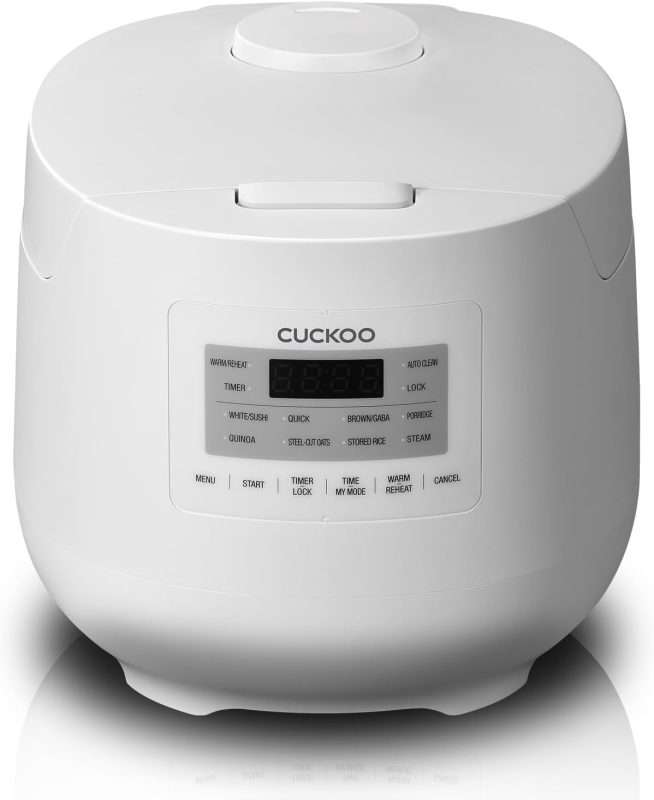
For rice cooker smell removal, current catalog models show why the steam path matters: some Cuckoo cookers include Auto Clean functions and removable lid or steam components. An auto-clean cycle can help with routine maintenance, but persistent odor still needs the source traced to the pot, lid, vent, collector or damaged part.
A relevant model for this comparison is CUCKOO induction pressure rice cooker.
Check The Simple Causes Before Blaming The Appliance
Find the Odor Source First
Check the Condensation Collector
When Odor Means Replacement or Service
Find The Odor Source First
Food Odor And Electrical Odor Need Different Responses
Open the cooker only after it is unplugged and cool. Smell the removable pot, inner lid, steam cap, condensation collector, and dry base area separately. Rice residue and trapped moisture are common food-odor sources.
One related product option is CUCHEN auto-steam-clean rice cooker.
A burning-wire, hot-plastic, or electrical smell is not a deodorizing problem. Stop using the cooker and inspect the cord, plug, base, and service guidance.
Start by deciding whether the smell is food-related or electrical. Sour, stale, or fermented odors often come from residue and trapped moisture. A hot-plastic, burning, or wiring smell is different: unplug the cooker and stop using it until the cause is understood rather than trying to wash or deodorize the symptom away.
Clean The Inner Pot
Remove Starch Film Without Damaging The Surface
Wash the pot with the method allowed for its material or coating. Let stubborn food residue soften rather than scraping coated surfaces with abrasive tools.
For the next relevant route, return to the care and troubleshooting guide.
The inner pot can hold a thin starch or oil film even when it looks clean. Wash it with the method recommended for its surface and inspect the rim where food can dry. Avoid abrasive scrubbing on coated pots, because damage to the cooking surface creates a new problem while trying to solve the odor.
A relevant model for this comparison is CUCKOO Micom rice cooker.
Clean The Lid And Steam Vent
Small Removable Parts Often Hold The Strongest Odor
Steam carries starch and food vapors into lid components. Remove only parts designed for user cleaning, wash them thoroughly, and clear vent openings without forcing sharp tools into non-serviceable areas.
Lids and steam vents are common odor reservoirs. Pressure and MICOM cookers may have removable inner lids, steam caps, gaskets, or collectors. The catalog examples CUCKOO CRP-DHSR0609FD 6-Cup (Uncooked) / 12-Cup (Cooked) Induction Heating Pressure Rice Cooker with Nonstick Inner Pot, 21 Menu Modes, Fuzzy Logic Tech, 3 Voice Guide, Auto Clean (Dark Grey) and CUCKOO CR-0641F 6-Cup (Uncooked) / 12-Cup (Cooked) Micom Rice Cooker & Warmer with Nonstick Inner Pot, 11 Menu Modes, Fuzzy Logic Tech, Auto Clean (White) show how feature-rich cookers can include more components that deserve model-specific cleaning.
Check The Condensation Collector
Standing Moisture Can Create A Stale Smell
Empty and wash detachable condensation cups after cooking. Dry the surrounding area so moisture is not trapped when the cooker is stored.
The related decision guide is rice cooker troubleshooting chart.
A condensation collector can hold water long after the pot is empty. Remove and wash it when the manual allows, then dry it before reassembly. Also check the channel that feeds the collector; dried starch or food liquid can remain there and create a smell that seems to come from the whole appliance.
Dry Before Reassembly
A Clean But Damp Cooker Can Still Smell Stale
Let washable parts dry fully before the lid is closed for storage. Leaving the cooker open briefly after cleaning can help moisture escape.
Drying is part of cleaning. Reassembling a cooker while the inner lid, gasket, or collector is still damp can create a stale odor even after the food residue is gone. Leave washable parts open to air until dry, and store the cooker with the lid positioned as the manufacturer recommends.
When Odor Means Replacement Or Service
Persistent Smell Can Point To Damaged Materials
Replace removable seals or pots when the manufacturer identifies odor retention, damage, or wear as a replacement condition. Stop use and seek service if odor appears to come from electrical components rather than food-contact parts.
Persistent odor after correct cleaning can signal damaged silicone, degraded coating, trapped contamination in a non-removable area, or an electrical fault. When the smell is sharp, smoky, or returns as soon as the cooker heats, stop using the appliance and seek service or replacement guidance.
Trace the smell to a component before cleaning harder. Persistent odor after correct cleaning can point to trapped residue, damaged seals, or parts that need replacement.
After cleaning, run only the empty or water-only maintenance cycle that the manufacturer specifically permits. Some cookers have steam-clean or self-clean programs, while others do not. Avoid improvised vinegar, bleach, fragrance, or heating mixtures unless the manual approves them, because odor removal should not damage coatings, seals, or steam components.
