
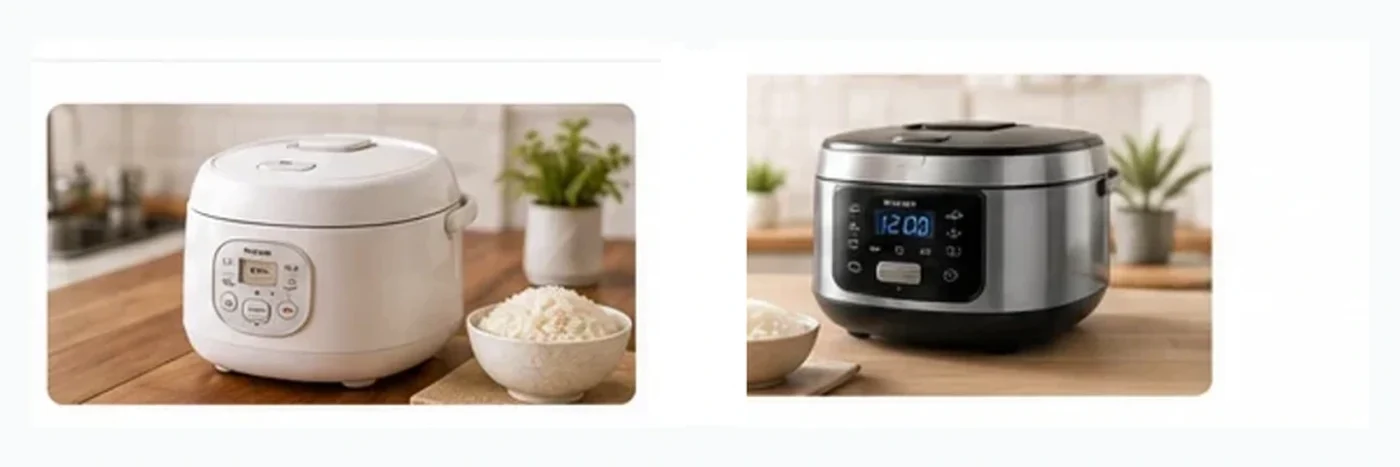
3 cup vs 5.5 cup rice cooker decisions become easier when the cup label is treated as a capacity class rather than a serving promise. A 3-cup class is usually the better starting point for one or two people cooking fresh rice in smaller batches, while a 5.5-cup class adds more practical headroom for leftovers, meal prep, and shared meals.
The most useful comparison is not just “which one is bigger.” First confirm that both products are using the same uncooked-capacity convention. Then compare the way you actually cook: fresh small batches, planned leftovers, counter space, and the features that matter after the right size class is chosen.
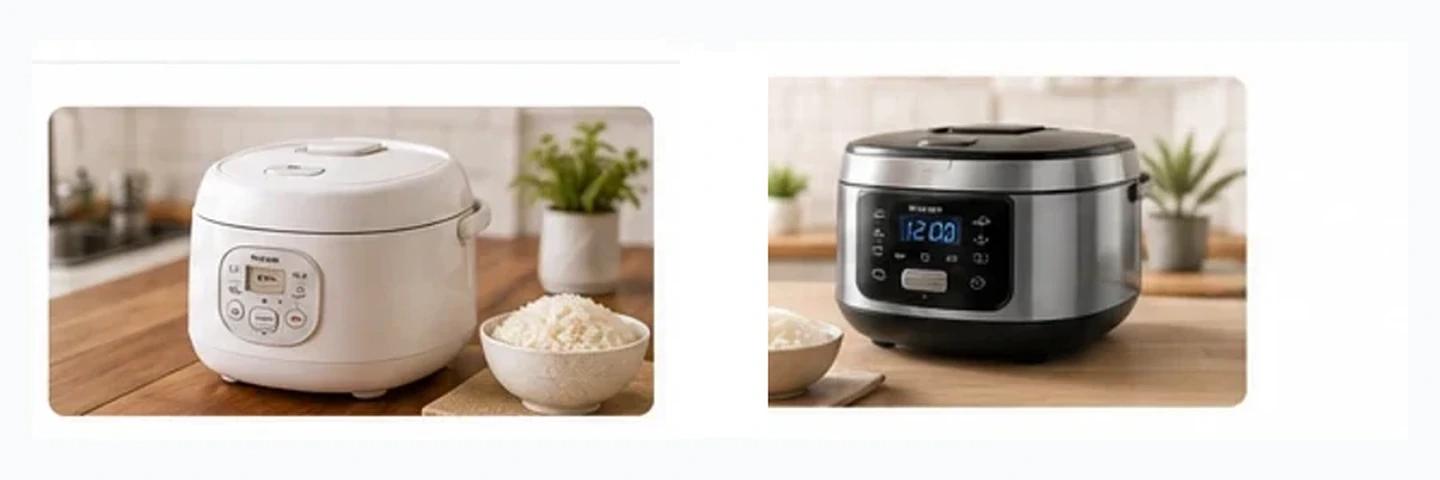
Choose the Cooker Size That Matches Your Normal Batch
A practical fit for one or two people, small kitchens, and routines where extra rice is uncommon.
A better fit when leftovers, meal prep, or occasional shared meals are part of the weekly routine.
Make sure both products are described using the same uncooked or cooked capacity convention before comparing portions.
Cup numbers are useful comparison labels, not universal “cups per person” promises. Check how the manufacturer defines capacity before deciding which size class fits your kitchen.
The related decision guide is 5.5-cup vs 10-cup comparison.
3-Cup vs 5.5-Cup Rice Cooker Capacity and Portion Output
Compare the same capacity convention before estimating portions
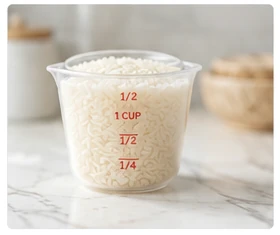
Many rice cookers include a dedicated rice-measuring cup that differs from a standard U.S. measuring cup, and product listings may lead with uncooked capacity, cooked yield, or both. When one listing is read as “uncooked cups” and another is interpreted as “cooked cups,” the size difference can look larger or smaller than it really is.
You can also return to the rice cooker size guide.
A 3-cup uncooked cooker usually makes more sense for smaller everyday batches and one- or two-person routines. A 5.5-cup uncooked cooker provides extra headroom without moving into the larger family-size range, which is especially useful when a single cooking session often needs to cover more than one meal.
For another angle on this question, continue with rice cooker cup conversion guide.
Useful comparison point: current catalog examples include the CUCKOO CR-0375F listed at 3 cups uncooked and the Tiger JAX-T10U-K listed at 5.5 cups uncooked. That makes the size comparison more meaningful because both are using the same uncooked-capacity basis.
What the 3-Cup and 5.5-Cup Classes Usually Mean in Daily Use
| Decision factor | 3-cup class | 5.5-cup class |
|---|---|---|
| Fresh small batches | Best fit when most meals are cooked fresh and extra portions are limited. | Works, but can be more headroom than some small households need. |
| Leftovers and lunch prep | Possible, though extra batch room is more limited. | Better fit when one cooking session often needs to cover another meal. |
| Counter-space pressure | Usually the easier size to place in smaller kitchens. | Still manageable in many kitchens, but compare real dimensions before buying. |
| Occasional shared meals | May require a second batch depending on portions. | Adds more flexibility before moving up to a larger family-size cooker. |
3-Cup vs 5.5-Cup Rice Cooker Counter Space
Use the actual model dimensions instead of assuming footprint from cup count
Smaller capacity often leads to a smaller appliance, but the relationship is not exact. Handles, lid design, steam vents, control panels, and the heating system all affect the outside body. A 5.5-cup cooker can still be sensible in a compact kitchen if the extra batch flexibility is used regularly, while a 3-cup cooker usually remains the easier fit for tighter counters and simpler storage routines.
Counter footprint: measure the permanent space available for the cooker and leave room to reach the controls comfortably.
Lid clearance: check the cooker with the lid fully open, not only when the lid is closed.
Steam path: follow the manufacturer’s clearance guidance around vents and hot steam.
Storage routine: if the cooker will be moved after use, make sure its size and weight suit that routine.

Which Rice Cooker Size Fits Your Meal Pattern?
Match capacity to the meals you cook most weeks, not to a rare maximum meal
Fresh dinner for one or two: start with the 3-cup class when small fresh batches dominate and extra rice is uncommon.
Dinner plus planned lunches: lean toward the 5.5-cup class when one cooking session regularly needs to cover another meal.
Small kitchen with occasional guests: compare both sizes against your actual counter space and how often larger portions are genuinely needed.
Growing household or larger portions: the 5.5-cup class becomes more useful when extra capacity is already part of the normal routine rather than a distant possibility.
Features to Compare After Choosing 3-Cup or 5.5-Cup Capacity
Choose the right capacity first, then compare the model details that affect daily use
Cooking controls: basic one-touch, MICOM, fuzzy logic, induction heating, or pressure features should match the rice and grains you actually cook.
Keep-warm and timer: these become more important when meals are scheduled ahead or serving times change.
Inner pot and cleaning: compare the pot material or coating, removable lid parts, steam components, and the normal cleanup routine.
Included accessories: a steaming basket or cooking plate adds real value only when it supports meals you genuinely expect to make.
Replacement support: use the exact model number when looking for future inner pots, measuring cups, lids, or other parts.
For a practical model connected to this point, see Zojirushi 3-cup Micom rice cooker.
3-Cup vs 5.5-Cup Rice Cooker for Meal Prep and Leftovers
Choose extra capacity only when it solves a real meal-planning need
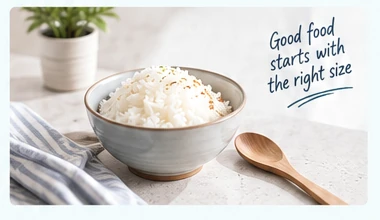
The 5.5-cup class becomes more convincing when leftover rice is part of the weekly routine. If the household regularly prepares lunch bowls, fried rice, or several meals from one cooking session, the larger batch can reduce repeat cooking and give the extra size a clear purpose.
If rice is usually eaten immediately and leftovers are rare, a 3-cup cooker often feels more proportional. It keeps the appliance smaller while still supporting everyday rice cooking. Whichever size is chosen, cooked rice should be cooled, stored, and reheated using appropriate food-safety practices rather than being treated as indefinite cooker storage.
One related product option is Tiger 5.5-cup Micom rice cooker.
3-Cup or 5.5-Cup Rice Cooker: Final Size Decision
Choose by your normal batch size, then verify the exact model details
Choose a 3-cup rice cooker when small fresh batches describe most of your routine, counter space is tighter, and leftovers are occasional rather than planned.
Choose a 5.5-cup rice cooker when meal prep, shared meals, or planned extra portions are already common enough to justify the added headroom.
After choosing the capacity class, compare the exact models by dimensions, cooking programs, inner-pot material, cleaning design, included accessories, and replacement support. That keeps the 3 cup vs 5.5 cup rice cooker decision focused on real kitchen use instead of treating the cup number as a shortcut for every other feature.
