





The Ultimate Guide to Choosing the Best Rice Cooker for Solo Dining If you enjoy the simplicity of cooking, a rice cooker can become your best kitchen companion. Imagine coming home after a long…

This collection currently includes 77 matching products. Compare capacity, cooking functions, controls, materials, cleaning requirements, price, and availability to narrow the options for your kitchen.
For broader buying help, use the Rice Cooker Buying Guide for Home Meals. You can also browse the Rice Cookers category to compare related options.
This Product Tag currently contains 77 live products. Availability can change as the catalog is updated.
Start with capacity or fit, then compare the functions, controls, materials, cleaning requirements, and specifications that matter for your intended use.
Open the individual product listing for the full specifications, current price, availability, images, and model-specific information before buying.
If you enjoy the simplicity of cooking, a rice cooker can become your best kitchen companion. Imagine coming home after a long day and having perfectly cooked rice waiting for you at the push of a button. Whether preparing a cozy meal or experimenting with different grains, choosing the Rice Cooker For 1 Person tailored to solo dining needs makes all the difference.
But how do you pick the perfect model? With so many options available, it's easy to feel overwhelmed. Don't worry! This guide will walk you through everything from understanding why a rice cooker is ideal for one-person meals to comparing types and maintaining your device effectively. Get ready to elevate your solo dining experience!
Cooking for one can sometimes feel daunting, but a rice cooker simplifies the process. It allows you to whip up delicious meals without fuss—no need to monitor pots on the stove or worry about burning your food.
Rice Cooker For 1 Person are designed for convenience. Add your grains and water, select your settings, and let the cooker do the work while you relax or prepare other components of your meal.
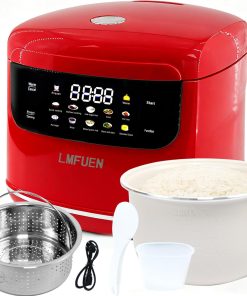
Another major advantage is portion control. Many rice cookers come with measuring cups that help ensure you're cooking just enough for one serving—no more waste or leftovers cluttering the fridge.
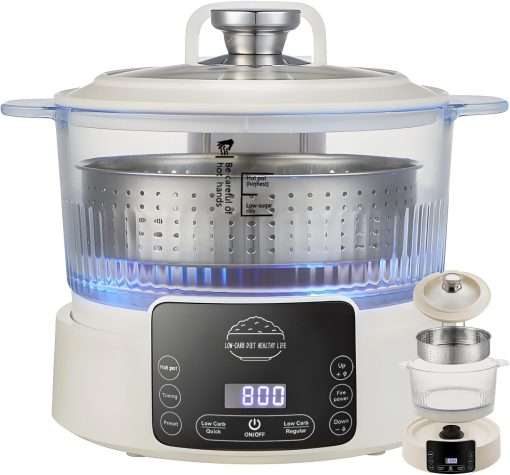
Versatility is key, too! In addition to cooking rice, these appliances can steam vegetables, make soups, and even cook oatmeal. Experimentation opens up a world of flavors while keeping things simple in the kitchen, making solo dining an enjoyable experience rather than a chore.
There are generally two main options for rice cookers: electric and stovetop. Each type has its charm and functionality.
Electric rice cookers are famous for their convenience. With a button push, they can steam, simmer, or sauté your rice to perfection. Many models come with preset functions tailored for different types of grains, ensuring you get the best texture every time. Some even feature keep-warm settings that maintain your meal's temperature until you're ready to eat.
On the other hand, stovetop rice cookers offer traditional cooking methods that some find more satisfying. They require more attention but provide greater control over heat levels. This hands-on approach lets you adjust as needed while developing an intimate connection with your cooking process.
Choosing between these types depends on how much effort you're willing to put into your meals and what fits best in your solo dining routine.
Taking care of your rice cooker is essential for prolonging its life and ensuring it works efficiently. Regular maintenance can significantly improve the performance of your appliance.
After each use, allow the cooker to cool down before cleaning. Remove the inner pot and wash it with warm, soapy water. A non-abrasive sponge will help avoid scratches that could compromise its surface. Soaking the pot in hot water can do wonders for stubborn stains or burnt-on food.
Remember the steam vent! Cleaning it regularly prevents blockages that could affect cooking time. Use a soft brush or cloth to wipe away any residue around this area.
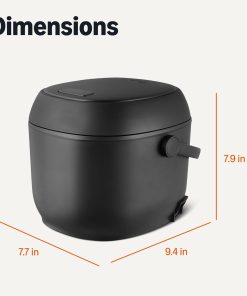
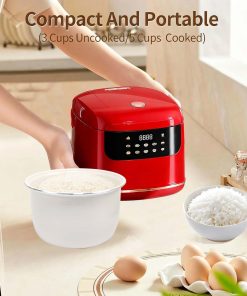
When storing your rice cooker, ensure it's scorched to prevent mold growth. If you have limited space, look for compact models designed specifically for one person; they are easier to store without taking up too much room in your kitchen cabinet.
Keep all accessories organized together with the unit itself. This way, when you're ready to whip up a quick meal, everything you need is right at hand—no hunting through drawers required.
Choosing a rice cooker for solo dining not only simplifies meal prep but also adds convenience without cluttering your kitchen space. With proper care and storage tips, you'll find that making delicious meals for one becomes an effortless routine.
[section label="Simple Light" bg_color="rgb(245, 245, 245)" padding="60px" height="300px" border="1px 0px 0px 0px" border_color="rgb(235, 235, 235)"]
[row]
[col span="4" span__sm="12"]
[/col] [col span="4" span__sm="12"]
[/col] [col span="4" span__sm="12"]
[/col]
[/row]
[/section]

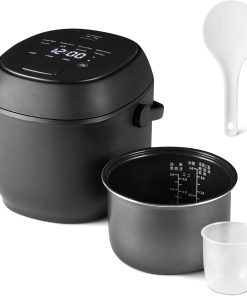
If you enjoy the simplicity of cooking, a rice cooker can become your best kitchen companion. Imagine coming home after a long day and having perfectly cooked rice waiting for you at the push of a button. Whether preparing a cozy meal or experimenting with different grains, choosing the Rice Cooker For 1 Person tailored to solo dining needs makes all the difference.
But how do you pick the perfect model? With so many options available, it’s easy to feel overwhelmed. Don’t worry! This guide will walk you through everything from understanding why a rice cooker is ideal for one-person meals to comparing types and maintaining your device effectively. Get ready to elevate your solo dining experience!
Cooking for one can sometimes feel daunting, but a rice cooker simplifies the process. It allows you to whip up delicious meals without fuss—no need to monitor pots on the stove or worry about burning your food.
Rice Cooker For 1 Person are designed for convenience. Add your grains and water, select your settings, and let the cooker do the work while you relax or prepare other components of your meal.
Another major advantage is portion control. Many rice cookers come with measuring cups that help ensure you’re cooking just enough for one serving—no more waste or leftovers cluttering the fridge.
Versatility is key, too! In addition to cooking rice, these appliances can steam vegetables, make soups, and even cook oatmeal. Experimentation opens up a world of flavors while keeping things simple in the kitchen, making solo dining an enjoyable experience rather than a chore.
There are generally two main options for rice cookers: electric and stovetop. Each type has its charm and functionality.
Electric rice cookers are famous for their convenience. With a button push, they can steam, simmer, or sauté your rice to perfection. Many models come with preset functions tailored for different types of grains, ensuring you get the best texture every time. Some even feature keep-warm settings that maintain your meal’s temperature until you’re ready to eat.
On the other hand, stovetop rice cookers offer traditional cooking methods that some find more satisfying. They require more attention but provide greater control over heat levels. This hands-on approach lets you adjust as needed while developing an intimate connection with your cooking process.
Choosing between these types depends on how much effort you’re willing to put into your meals and what fits best in your solo dining routine.
Taking care of your rice cooker is essential for prolonging its life and ensuring it works efficiently. Regular maintenance can significantly improve the performance of your appliance.
After each use, allow the cooker to cool down before cleaning. Remove the inner pot and wash it with warm, soapy water. A non-abrasive sponge will help avoid scratches that could compromise its surface. Soaking the pot in hot water can do wonders for stubborn stains or burnt-on food.
Remember the steam vent! Cleaning it regularly prevents blockages that could affect cooking time. Use a soft brush or cloth to wipe away any residue around this area.
When storing your rice cooker, ensure it’s scorched to prevent mold growth. If you have limited space, look for compact models designed specifically for one person; they are easier to store without taking up too much room in your kitchen cabinet.
Keep all accessories organized together with the unit itself. This way, when you’re ready to whip up a quick meal, everything you need is right at hand—no hunting through drawers required.
Choosing a rice cooker for solo dining not only simplifies meal prep but also adds convenience without cluttering your kitchen space. With proper care and storage tips, you’ll find that making delicious meals for one becomes an effortless routine.