










The Heart of Your Rice Cooker: Understanding the Inner Pot and Its Importance When cooking rice, the right equipment can make all the difference. One crucial component of any rice cooker is the inner…


This collection currently includes 58 matching products. Compare capacity, cooking functions, controls, materials, cleaning requirements, price, and availability to narrow the options for your kitchen.

For broader buying help, use the Rice Cooker Buying Guide for Home Meals. You can also browse the Rice Cookers category to compare related options.
This Product Tag currently contains 58 live products. Availability can change as the catalog is updated.
Start with capacity or fit, then compare the functions, controls, materials, cleaning requirements, and specifications that matter for your intended use.
Open the individual product listing for the full specifications, current price, availability, images, and model-specific information before buying.
When cooking rice, the right equipment can make all the difference. One crucial component of any rice cooker is the inner pot. Often overlooked, the inner pot is the heart of your rice cooker, responsible for evenly cooking and preserving the flavor and texture of your rice. In this article, we'll look closer at the inner pot and why it's essential to understand its role in perfecting your rice cooking experience. At the heart of every rice cooker lies a crucial component: the inner pot. Often overlooked, this simple yet vital piece significantly ensures that your grains come out perfectly fluffy and delicious each time. Whether you're a seasoned chef or just starting your culinary journey, understanding your rice cooker's inner pot is critical to unlocking its full potential. Let's dive into what makes these pots unique and how they contribute to your kitchen's success!
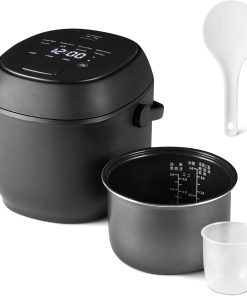
Rice cooker inner pots come in various types, each designed for specific cooking needs. The most common type is the nonstick pot. This easy-to-clean option prevents rice from sticking and burning, making it ideal for everyday use.
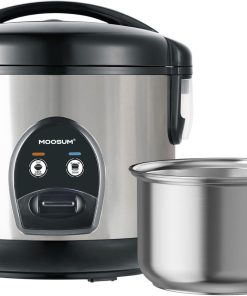
For those who prefer a more traditional approach, stainless steel inner pots are available. They offer durability and even heat distribution but may require more attention to prevent sticking.
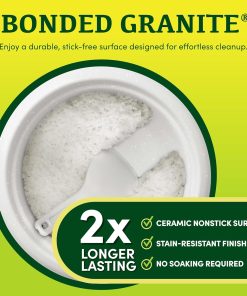
Ceramic-coated pots have gained popularity as well. They provide a non-toxic alternative with excellent heat retention properties.
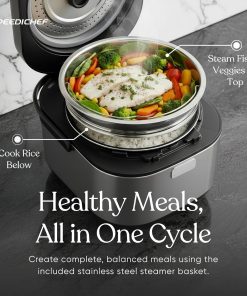
Some high-end models feature multi-layered inner pots designed for versatility. These can handle everything from steaming vegetables to slow-cooking stews, making them great additions to any kitchen.
Selecting the right inner pot can significantly enhance your cooking experience and ensure that every meal is a delightful success.
The material of your rice cooker's inner pot plays a crucial role in its performance. Standard options include stainless steel, nonstick coatings, and aluminum. Each has distinct advantages.
Stainless steel is durable and resistant to scratches. It provides even heat distribution but may require more oil to prevent sticking. This makes it ideal for those who prefer healthier cooking methods.
Nonstick pots are popular due to their easy cleaning properties. They also help ensure that food doesn't cling stubbornly after cooking. However, if not maintained properly, they can wear out over time.
Aluminum offers lightweight convenience and good thermal conductivity. It's often anodized for added durability, preventing corrosion while enhancing resilience against dents or warping.
Understanding these materials helps you choose the right inner pot for your cooking needs, ensuring longevity and optimal results every time you use your rice cooker.
Taking care of your rice cooker inner pot is essential for maintaining its performance and longevity. Regular maintenance will ensure that every batch of rice comes out perfect, meal after meal.
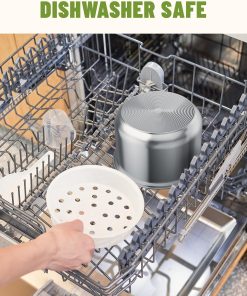
First and foremost, always allow the inner pot to cool down before cleaning it. This prevents damage from thermal shock. Use a soft sponge or cloth with warm, soapy water to gently scrub away any food residue. Avoid using abrasive cleaners or scouring pads, which can scratch the nonstick surface.
It's also wise to check for any signs of wear or damage over time. If you notice scratches or peeling in the coating, it might be time for a replacement to prevent further deterioration.
Stainless steel pots are generally more durable but still require proper care. Wash them thoroughly after each use and dry them completely to avoid water spots and rusting.
Storing your inner pot properly is another crucial aspect of maintenance. Ensure it's stored in a dry place where other kitchen items won't get knocked around. Consider placing a cloth between stacked pots if you have multiple sizes—this helps prevent scratches.
Pay attention when selecting utensils while cooking. Using wooden or silicone utensils can help preserve the integrity of your rice cooker's inner pot's surface.
With proper attention and care, you'll your trusty rice cooker will allow you to enjoy delicious meals effortlessly for years to come!
[section label="Simple Light" bg_color="rgb(245, 245, 245)" padding="60px" height="300px" border="1px 0px 0px 0px" border_color="rgb(235, 235, 235)"]
[row]
[col span="4" span__sm="12"]
[/col] [col span="4" span__sm="12"]
[/col] [col span="4" span__sm="12"]
[/col]
[/row]
[/section]
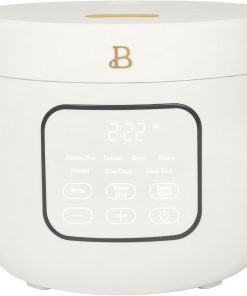

When cooking rice, the right equipment can make all the difference. One crucial component of any rice cooker is the inner pot. Often overlooked, the inner pot is the heart of your rice cooker, responsible for evenly cooking and preserving the flavor and texture of your rice. In this article, we’ll look closer at the inner pot and why it’s essential to understand its role in perfecting your rice cooking experience. At the heart of every rice cooker lies a crucial component: the inner pot. Often overlooked, this simple yet vital piece significantly ensures that your grains come out perfectly fluffy and delicious each time. Whether you’re a seasoned chef or just starting your culinary journey, understanding your rice cooker’s inner pot is critical to unlocking its full potential. Let’s dive into what makes these pots unique and how they contribute to your kitchen’s success!
Rice cooker inner pots come in various types, each designed for specific cooking needs. The most common type is the nonstick pot. This easy-to-clean option prevents rice from sticking and burning, making it ideal for everyday use.
For those who prefer a more traditional approach, stainless steel inner pots are available. They offer durability and even heat distribution but may require more attention to prevent sticking.
Ceramic-coated pots have gained popularity as well. They provide a non-toxic alternative with excellent heat retention properties.
Some high-end models feature multi-layered inner pots designed for versatility. These can handle everything from steaming vegetables to slow-cooking stews, making them great additions to any kitchen.
Selecting the right inner pot can significantly enhance your cooking experience and ensure that every meal is a delightful success.
The material of your rice cooker’s inner pot plays a crucial role in its performance. Standard options include stainless steel, nonstick coatings, and aluminum. Each has distinct advantages.
Stainless steel is durable and resistant to scratches. It provides even heat distribution but may require more oil to prevent sticking. This makes it ideal for those who prefer healthier cooking methods.
Nonstick pots are popular due to their easy cleaning properties. They also help ensure that food doesn’t cling stubbornly after cooking. However, if not maintained properly, they can wear out over time.
Aluminum offers lightweight convenience and good thermal conductivity. It’s often anodized for added durability, preventing corrosion while enhancing resilience against dents or warping.
Understanding these materials helps you choose the right inner pot for your cooking needs, ensuring longevity and optimal results every time you use your rice cooker.
Taking care of your rice cooker inner pot is essential for maintaining its performance and longevity. Regular maintenance will ensure that every batch of rice comes out perfect, meal after meal.
First and foremost, always allow the inner pot to cool down before cleaning it. This prevents damage from thermal shock. Use a soft sponge or cloth with warm, soapy water to gently scrub away any food residue. Avoid using abrasive cleaners or scouring pads, which can scratch the nonstick surface.
It’s also wise to check for any signs of wear or damage over time. If you notice scratches or peeling in the coating, it might be time for a replacement to prevent further deterioration.
Stainless steel pots are generally more durable but still require proper care. Wash them thoroughly after each use and dry them completely to avoid water spots and rusting.
Storing your inner pot properly is another crucial aspect of maintenance. Ensure it’s stored in a dry place where other kitchen items won’t get knocked around. Consider placing a cloth between stacked pots if you have multiple sizes—this helps prevent scratches.
Pay attention when selecting utensils while cooking. Using wooden or silicone utensils can help preserve the integrity of your rice cooker’s inner pot’s surface.
With proper attention and care, you’ll your trusty rice cooker will allow you to enjoy delicious meals effortlessly for years to come!