

A scratch in a rice cooker inner pot can be cosmetic, a sign of coating wear, or part of deeper damage such as peeling or warping. The right response depends on the surface material and whether the pot still seats and cooks as designed.
A scratched rice cooker inner pot is easier to assess when replacement options are considered at the same time. BuyRiceCookersOnline carries replacement liners in nonstick and stainless-steel forms, illustrating why surface material, geometry and exact cooker fit all matter before a damaged pot is replaced.
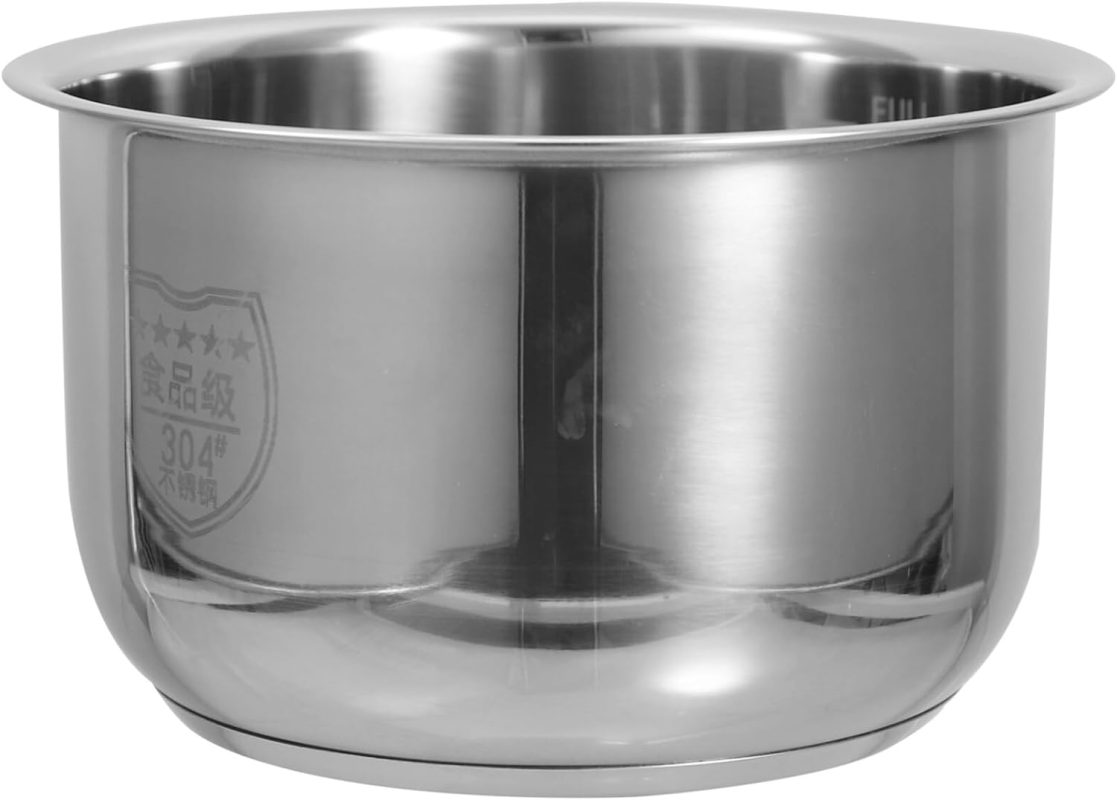
A relevant model for this comparison is Healeved replacement inner pot.
Check The Simple Causes Before Blaming The Appliance
Identify the Inner-Pot Surface
When to Replace the Inner Pot
Prevent Future Scratches
Identify The Inner-Pot Surface
A Scratch Means Different Things On Coated And Uncoated Pots
Nonstick and ceramic-coated pots have a surface layer that can be damaged by metal utensils or abrasive cleaning. Stainless steel pots can scratch cosmetically without a coating layer, though deep damage or deformation can still affect use.
The meaning of a scratch depends on the inner-pot surface. A light mark on uncoated stainless steel is different from a scratch that cuts through a nonstick or ceramic coating. Identify whether the vessel is coated, solid ceramic, or uncoated metal before deciding whether the mark is cosmetic or a reason to replace the pot.
For a practical model connected to this point, see Anneome stainless steel rice cooker liner.
Minor Wear Vs More Serious Damage
Look For Peeling, Deep Gouges, Exposed Base Material And Warping
Light marks are not the same as a coating that is flaking or a pot that no longer sits flat. Use the manufacturer’s care guidance to decide whether continued use is acceptable.
Look beyond the length of the scratch. Peeling, flaking, exposed base metal, deep gouges, dents, or a warped bottom are more significant than a faint utensil line. If the pot no longer sits flat or the coating is separating, stop trying to improve it with cleaning and follow the manufacturer’s replacement guidance.
From here, return to the parts and accessories guide.
What To Avoid After A Scratch Appears
Do Not Keep Testing The Surface With Harsher Tools
Avoid metal utensils and abrasive pads on coated pots. Do not sand, polish, or apply home coatings to a food-contact vessel unless the manufacturer specifically provides that repair method.
Avoid testing a damaged surface with harsher tools. Metal scrubbers, abrasive powders, sanding, polishing, or aftermarket coatings can make a problem worse. Use only the utensils and cleaners approved for the pot material, and do not cut or serve with sharp tools inside the vessel.
When To Replace The Inner Pot
Replacement Is The Cleanest Solution When The Cooking Surface Is No Longer Sound
A replacement is appropriate when the manufacturer recommends it for peeling, deep scratches, deformation, or loss of coating integrity. A warped pot can also affect heater or sensor contact.
Replacement makes sense when the cooking surface is no longer intact, food release has changed because of damage, or the pot is deformed. The catalog includes Healeved Rice Cooker 10 Cup Rice Cooker Inner Pot Rice Cooker Replace Liner Nonstick Cooking Pot Inner,4.5Qt Rice Cooker Inner and Anneome Rice Cooker Liner Universal Stainless Steel Silver, showing that replacement pots vary in material and claimed compatibility; the exact cooker model must still be verified.
A closely related comparison is covered in inner pot compatibility guide.
Match The Replacement By Model Number
Cup Size Alone Does Not Guarantee Fit
Use the exact cooker model and original pot part number when possible. Diameter, height, bottom shape, induction compatibility, and pressure design can all matter.
Cup capacity alone does not guarantee a replacement fit. Compare the cooker model, original part number, rim diameter, height, bottom shape, and any induction or pressure requirements. A pot that physically drops into the cooker may still sit incorrectly on the heater or prevent the lid from closing as designed.
Prevent Future Scratches
Care Habits Are Part Of Replacement Value
Preventing future scratches is mostly about habits: use approved utensils, wash without abrasive pads, avoid stacking sharp objects inside the pot, and store it dry. If the pot is removed for washing, protect the base from dents as well as the cooking surface from scratches.
- Use utensils approved for the pot surface
- Wash with non-abrasive tools when required
- Avoid stacking sharp objects inside the pot
- Do not cut food in the inner pot
- Prevent thermal shock
- Store the pot dry and protected
Minor marks and serious coating damage are not the same. Replace the pot when the manufacturer recommends it for peeling, deep damage, warping, or loss of surface integrity, and match the replacement by model number.
If a replacement pot is ordered, compare it with the old one before cooking: rim shape, base contact, height, handles, and lid clearance should all look right. Wash the new pot according to its instructions and keep the packaging until fit is confirmed. This avoids turning a surface problem into a compatibility problem.
