








PRODUCT TAG COLLECTION
5.5 Cup Rice Cooker
The Ultimate Guide to Cooking Perfect Rice: Unleashing the Power of a 5-Cup Rice Cooker Rice is a staple in many cuisines worldwide, cherished for its versatility and comforting qualities. But achieving fluffy, perfectly…
Compare productsReview useful featuresChoose with confidence

What to Know Before Buying 5.5 Cup Rice Cooker
This collection currently includes 25 matching products. Compare capacity, cooking functions, controls, materials, cleaning requirements, price, and availability to narrow the options for your kitchen.

✓
Capacity & FitMatch size and capacity to your usual meals
✓
Cooking ResultsCompare programs, heat control and keep-warm options
✓
Easy to UseLook for practical controls and simple everyday operation
✓
Multiple UsesCompare the cooking functions offered across models
Size, Capacity & Feature Checks
- Capacity and fit: Compare stated capacity, appliance dimensions, and the amount of food you normally prepare.
- Cooking programs: Look for the rice, grain, pressure, steaming, or multi-cook settings you will actually use.
- Controls and materials: Review the control panel, inner-pot construction, lid design, and model-specific features.
- Cleaning and care: Check removable parts, washing guidance, keep-warm behavior, and everyday maintenance.
For broader buying help, use the Rice Cooker Buying Guide for Home Meals. You can also browse the Rice Cookers category to compare related options.
5.5 Cup Rice Cooker Buying Questions
How many products are currently in this collection?
This Product Tag currently contains 25 live products. Availability can change as the catalog is updated.
What should I compare before choosing?
Start with capacity or fit, then compare the functions, controls, materials, cleaning requirements, and specifications that matter for your intended use.
Where can I check complete product details?
Open the individual product listing for the full specifications, current price, availability, images, and model-specific information before buying.
Detailed 5.5 Cup Rice Cooker GuideRead detailed tag content
The Ultimate Guide to Cooking Perfect Rice: Unleashing the Power of a 5-Cup Rice Cooker
Rice is a staple in many cuisines worldwide, cherished for its versatility and comforting qualities. But achieving fluffy, perfectly cooked rice can sometimes feel like an elusive goal. Enter the 5.5-cup rice cooker—a kitchen marvel designed to simplify your cooking experience and elevate your dishes.
Imagine having perfectly steamed rice ready at the touch of a button—no more guesswork or burnt pots! Whether preparing a simple weeknight dinner or hosting friends for an elaborate feast, mastering rice can transform your meals from ordinary to extraordinary.
In this ultimate guide, we'll explore everything you need to know about using your 5.5-cup rice cooker effectively—from choosing the right type of rice to experimenting with creative recipes. Let's unlock the secrets to perfect rice together!
Benefits of Using a Rice Cooker for Perfectly Cooked Rice
Using a rice cooker can transform your culinary experience. One of the standout benefits is consistency. You can achieve perfectly cooked rice every time with precise temperature control, eliminating the guesswork.
Another significant advantage is the time savings. Measure your rice and water, press a button, and let the machine handle the rest. This convenience frees you to focus on other dishes or relax while dinner cooks.
Another perk? Versatility. A 5.5-cup rice cooker isn't just for plain white rice; it can also steam vegetables, cook quinoa, or even easily prepare soups and stews.
Cleanup is also simplified. Most models come with non-stick pots that are easy to clean after use—no more scrubbing burnt bits off pans!
With all these benefits combined, it's clear why a rice cooker has become an essential tool for many home chefs looking for effortless perfection in their meals.
Choosing the Right Type of Rice for Your Dish
Selecting the proper rice can elevate your dish from ordinary to extraordinary. Different types of rice bring unique flavors, textures, and nutritional benefits.
For creamy risottos or sushi, opt for arborio or short-grain rice. These varieties release starch as they cook, creating a delightful creaminess that's hard to resist.
If you're preparing stir-fries or fried rice, long-grain options like jasmine or basmati are ideal. They remain fluffy and separate during cooking, enhancing the overall texture of your meal.
Brown rice is another excellent choice for added fiber and nutrients. It has a nuttier flavor but requires more prolonged cooking than white varieties.
Remember specialty rice! Black or red rice adds visual appeal along with robust taste profiles that can transform simple dishes into gourmet experiences. Choose wisely based on what you want to achieve in your culinary creation!
Preparing the Rice and Water Ratio
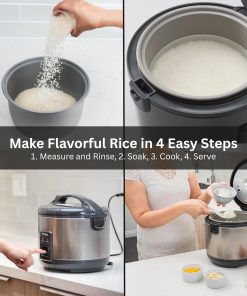
Getting the rice-water ratio right is vital for fluffy, perfectly cooked rice. The standard guideline is 1 cup of rice to 1.5 cups of water for white rice. Due to its denser structure, this ratio typically shifts to 1:2 for brown rice.
To ensure accuracy, use the measuring cup with your 5.5-cup rice cooker. This helps maintain consistency every time you cook.
Rinse your rice under cold water before cooking to remove excess starch. This step can improve texture significantly by preventing clumping.
Consider factors like altitude and humidity, affecting cooking times and moisture needs. A little experimentation may be necessary until you find your ideal balance for different types of rice or specific preferences in texture.
With practice, mastering the perfect ratio will have you effortlessly serve up delicious bowls of steamed goodness!
Additional Tips for Cooking Perfect Rice
Rinsing your rice is an essential step. This removes excess starch, preventing it from becoming gummy. Rinse until the water runs clear for optimal results.
Consider soaking your rice before cooking. Soaking enhances the texture and allows even cooking, especially for long-grain varieties like basmati or jasmine.
After cooking your rice, don't take your time with the process. Let it sit in the cooker with the lid on for about 10 minutes. This helps steam finish any remaining moisture while allowing the grains to firm up.
Fluffing with a fork instead of stirring with a spoon can also make a difference. A gentle fluff separates grains without breaking them apart, keeping that perfect texture intact.
Experimenting with broth or spices can elevate flavor profiles significantly—don't hesitate to get creative!
Creative Recipes to Make in a 5-Cup Rice Cooker
A 5-cup rice cooker is more than just a tool for cooking plain rice. It opens the door to a world of culinary creativity.
Try making risotto. Just sauté onions and garlic in your cooker, then add Arborio rice, broth, and any veggies you like. Stir occasionally until it's creamy perfection.
For breakfast lovers, whip up a fluffy frittata. Beat some eggs with cheese and chopped vegetables, pour them into the greased pot, and let it steam until set.
Are you curious about desserts? Cook glutinous rice with coconut milk and sugar to make sweet coconut sticky rice. Top it off with fresh mango slices for an irresistible treat.
Remember soups! Toss in broth with your favorite ingredients—vegetables, noodles, or meat—and let the magic happen as flavors meld together beautifully.
How to Clean and Maintain Your Rice Cooker
Cleaning your rice cooker is essential for its longevity and performance. Start by unplugging the unit and allowing it to cool down completely.
Remove the inner pot, lid, and any other detachable parts. These can typically be washed thoroughly in warm, soapy water. Use a non-abrasive sponge to avoid scratching surfaces.
For stubborn stains or burnt residue, soak the inner pot in hot water for about 30 minutes before scrubbing gently. Always check if these components are dishwasher-safe; many models offer that convenience.
Wipe down the exterior of your rice cooker with a damp cloth. Avoid using harsh chemicals that could damage the finish or affect future cooking.
Regularly inspect the steam vent for clogs, as this can affect cooking performance over time. Keeping everything clean enhances flavor, ensures safety during use, and maximizes efficiency when preparing meals.
Guides for Capacity & Fit
Rice Cooker Buying Guide for Home Meals›Rice Cooker Size & Capacity Guide›Rice Cooker Types & Technology Guide›Similar Cooker Options

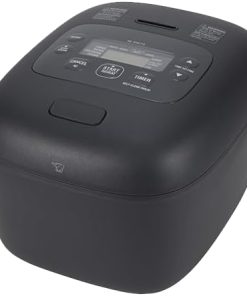
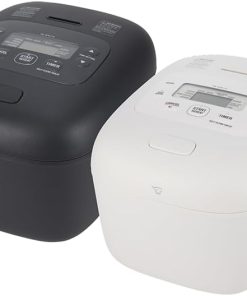
Tiger JKT-D Multi-Functional Induction Heating (IH) Electric Rice Cooker with 12 Cooking Settings (Silver Black)

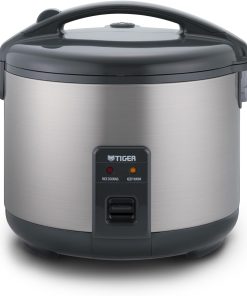
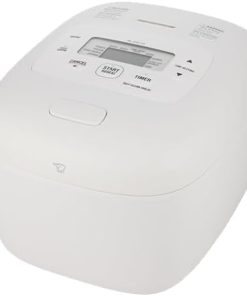
Tiger JNP-1000-LF 5.5 Cup Capacity White Rice Cooker with Non-Stick Inner Pot, Retractable Power Cord, and Keep Warm up to 12 hours (Flower)
Find the right 5.5 Cup Rice Cooker for your kitchen.Compare capacity, settings, fit, care requirements, and the live products shown above.
Browse Rice Cookers →The Ultimate Guide to Cooking Perfect Rice: Unleashing the Power of a 5-Cup Rice Cooker
Rice is a staple in many cuisines worldwide, cherished for its versatility and comforting qualities. But achieving fluffy, perfectly cooked rice can sometimes feel like an elusive goal. Enter the 5.5-cup rice cooker—a kitchen marvel designed to simplify your cooking experience and elevate your dishes.
Imagine having perfectly steamed rice ready at the touch of a button—no more guesswork or burnt pots! Whether preparing a simple weeknight dinner or hosting friends for an elaborate feast, mastering rice can transform your meals from ordinary to extraordinary.
In this ultimate guide, we’ll explore everything you need to know about using your 5.5-cup rice cooker effectively—from choosing the right type of rice to experimenting with creative recipes. Let’s unlock the secrets to perfect rice together!
Benefits of Using a Rice Cooker for Perfectly Cooked Rice
Using a rice cooker can transform your culinary experience. One of the standout benefits is consistency. You can achieve perfectly cooked rice every time with precise temperature control, eliminating the guesswork.
Another significant advantage is the time savings. Measure your rice and water, press a button, and let the machine handle the rest. This convenience frees you to focus on other dishes or relax while dinner cooks.
Another perk? Versatility. A 5.5-cup rice cooker isn’t just for plain white rice; it can also steam vegetables, cook quinoa, or even easily prepare soups and stews.
Cleanup is also simplified. Most models come with non-stick pots that are easy to clean after use—no more scrubbing burnt bits off pans!
With all these benefits combined, it’s clear why a rice cooker has become an essential tool for many home chefs looking for effortless perfection in their meals.
Choosing the Right Type of Rice for Your Dish
Selecting the proper rice can elevate your dish from ordinary to extraordinary. Different types of rice bring unique flavors, textures, and nutritional benefits.
For creamy risottos or sushi, opt for arborio or short-grain rice. These varieties release starch as they cook, creating a delightful creaminess that’s hard to resist.
If you’re preparing stir-fries or fried rice, long-grain options like jasmine or basmati are ideal. They remain fluffy and separate during cooking, enhancing the overall texture of your meal.
Brown rice is another excellent choice for added fiber and nutrients. It has a nuttier flavor but requires more prolonged cooking than white varieties.
Remember specialty rice! Black or red rice adds visual appeal along with robust taste profiles that can transform simple dishes into gourmet experiences. Choose wisely based on what you want to achieve in your culinary creation!
Preparing the Rice and Water Ratio
Getting the rice-water ratio right is vital for fluffy, perfectly cooked rice. The standard guideline is 1 cup of rice to 1.5 cups of water for white rice. Due to its denser structure, this ratio typically shifts to 1:2 for brown rice.
To ensure accuracy, use the measuring cup with your 5.5-cup rice cooker. This helps maintain consistency every time you cook.
Rinse your rice under cold water before cooking to remove excess starch. This step can improve texture significantly by preventing clumping.
Consider factors like altitude and humidity, affecting cooking times and moisture needs. A little experimentation may be necessary until you find your ideal balance for different types of rice or specific preferences in texture.
With practice, mastering the perfect ratio will have you effortlessly serve up delicious bowls of steamed goodness!
Additional Tips for Cooking Perfect Rice
Rinsing your rice is an essential step. This removes excess starch, preventing it from becoming gummy. Rinse until the water runs clear for optimal results.
Consider soaking your rice before cooking. Soaking enhances the texture and allows even cooking, especially for long-grain varieties like basmati or jasmine.
After cooking your rice, don’t take your time with the process. Let it sit in the cooker with the lid on for about 10 minutes. This helps steam finish any remaining moisture while allowing the grains to firm up.
Fluffing with a fork instead of stirring with a spoon can also make a difference. A gentle fluff separates grains without breaking them apart, keeping that perfect texture intact.
Experimenting with broth or spices can elevate flavor profiles significantly—don’t hesitate to get creative!
Creative Recipes to Make in a 5-Cup Rice Cooker
A 5-cup rice cooker is more than just a tool for cooking plain rice. It opens the door to a world of culinary creativity.
Try making risotto. Just sauté onions and garlic in your cooker, then add Arborio rice, broth, and any veggies you like. Stir occasionally until it’s creamy perfection.
For breakfast lovers, whip up a fluffy frittata. Beat some eggs with cheese and chopped vegetables, pour them into the greased pot, and let it steam until set.
Are you curious about desserts? Cook glutinous rice with coconut milk and sugar to make sweet coconut sticky rice. Top it off with fresh mango slices for an irresistible treat.
Remember soups! Toss in broth with your favorite ingredients—vegetables, noodles, or meat—and let the magic happen as flavors meld together beautifully.
How to Clean and Maintain Your Rice Cooker
Cleaning your rice cooker is essential for its longevity and performance. Start by unplugging the unit and allowing it to cool down completely.
Remove the inner pot, lid, and any other detachable parts. These can typically be washed thoroughly in warm, soapy water. Use a non-abrasive sponge to avoid scratching surfaces.
For stubborn stains or burnt residue, soak the inner pot in hot water for about 30 minutes before scrubbing gently. Always check if these components are dishwasher-safe; many models offer that convenience.
Wipe down the exterior of your rice cooker with a damp cloth. Avoid using harsh chemicals that could damage the finish or affect future cooking.
Regularly inspect the steam vent for clogs, as this can affect cooking performance over time. Keeping everything clean enhances flavor, ensures safety during use, and maximizes efficiency when preparing meals.